GUR, from illustration to loom
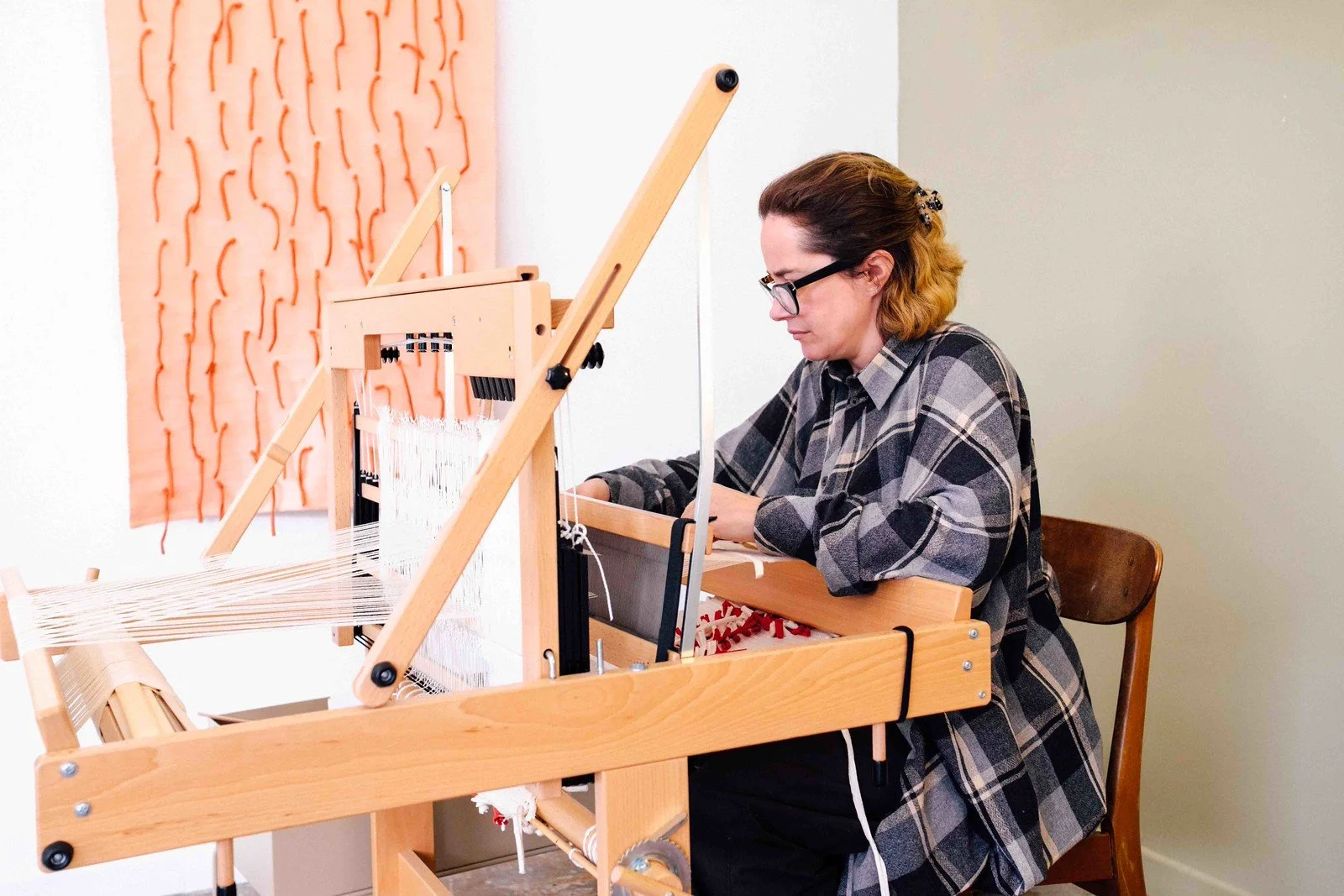
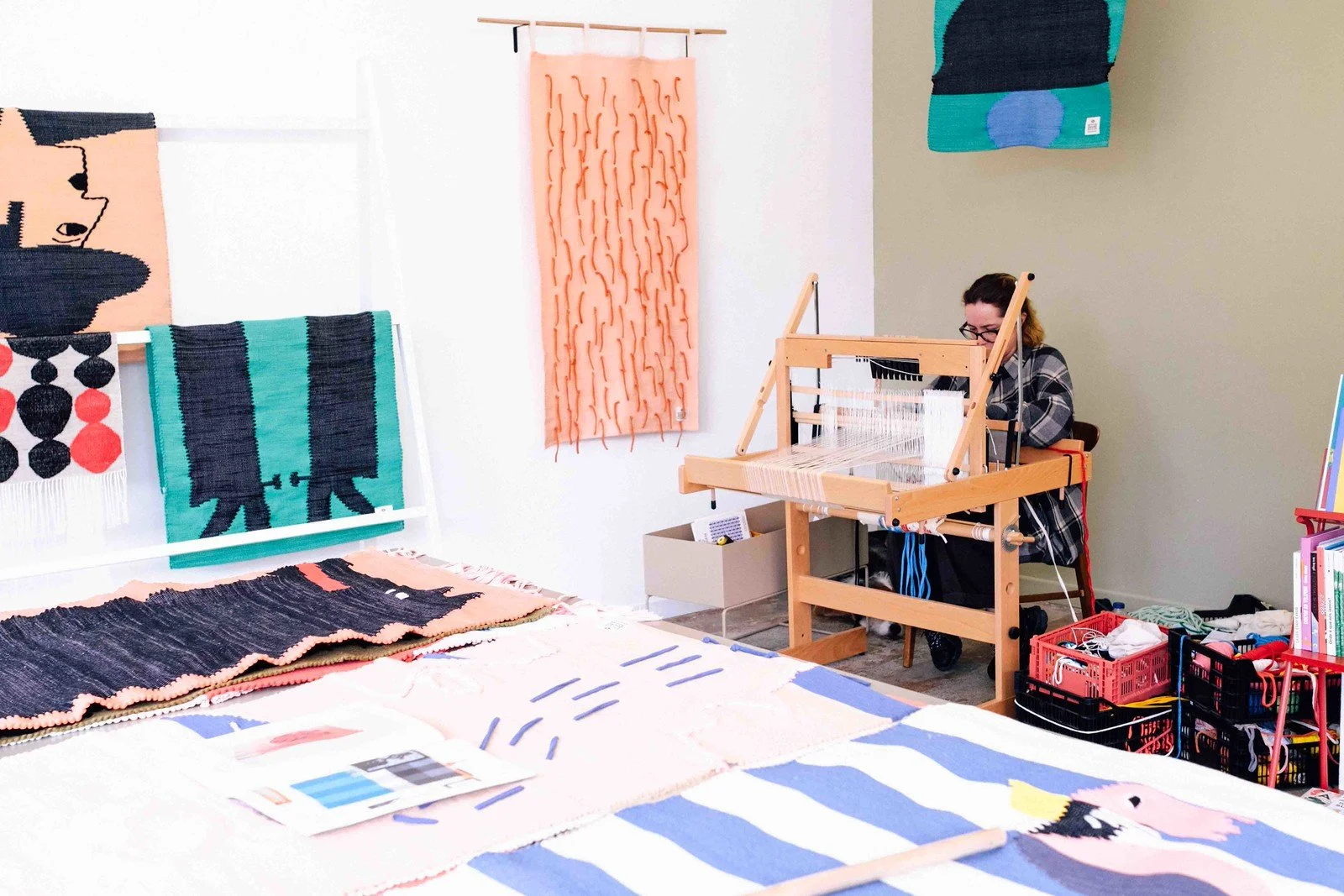
Today was the day to visit GUR, pick up our new piece to bring home, and see first-hand how Célia was getting on with her new Louet Jane loom, which she has been using since last November!
GUR, founded and developed by Célia Esteves, is a project built on a collaborative working model, translating and interpreting the illustrations of established artists into textile pieces. Although the name "GUR" literally means "rug" when read backwards, and these pieces can indeed be used as such, most of them end up on the wall, as the artistic objects they truly are.
I can't help but think how Célia's work of interpreting an artist's illustration into the textile medium is similar to what tapestry specialists once did when they translated paintings into woven pieces. For each piece, through a collaborative process between the various artists and Célia, the illustrations go through a process of analysis and interpretation, subject to the constraints of the loom, but also enriched by the possibilities that this medium offers. Work that cannot be done without the specific technical knowledge of the craft, in this case weaving.
Today is not the day I'll attempt to explain the difference between shaft loom weaving and tapestry, nor why, despite the loom we see here being unquestionably a shaft loom, the production of artistic objects such as the GUR pieces situates this work within the realm of tapestry. That's for another time.
But back to what brought me to GUR, the Louet Jane! It was a few months ago that Célia decided to upgrade to a Louet Jane, when the need arose to weave a few hundred GUR faces in record time for an order close to Christmas. Unlike GUR's larger pieces, which are woven in collaboration with weavers from the Viana do Castelo area, these smaller pieces are woven by Célia herself, here in Porto.
After a few exchanges of messages and calls, and after comparing different loom models and brands, we came to the conclusion that the best option for this type of piece, small in scale and reliant on the manipulation of the weft, rather than fast, consistent production, would indeed be a table loom with levers rather than pedals, and that there was no need to go further, in terms of investment, than a Louet Jane. Another advantage was the loom's compact size, making it possible to keep it in a small space at the GUR shop, or even at home.
The Jane was then put to an intense test, weaving over 200 GUR faces in a short space of time. Approved!
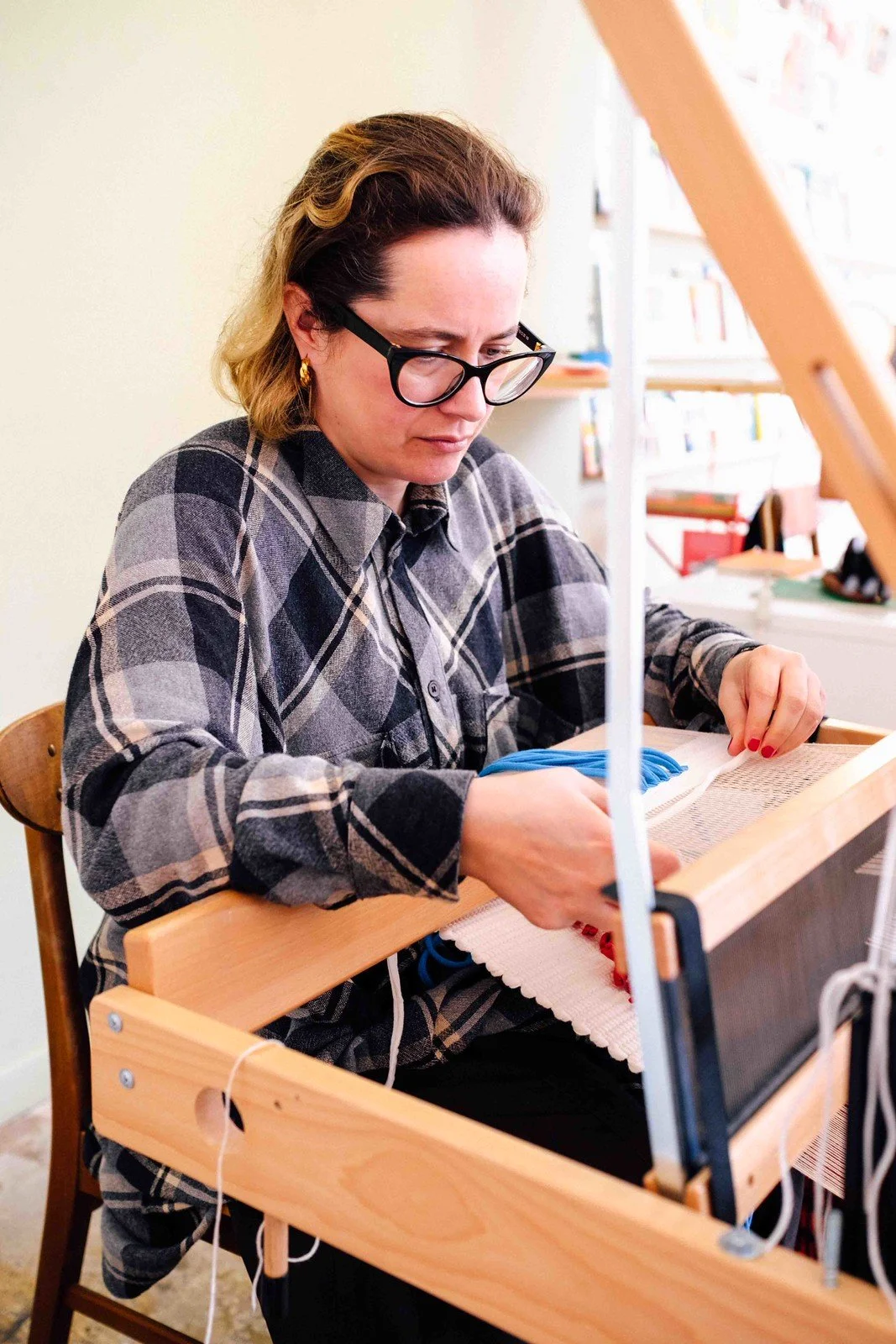
From Célia I heard how the new loom not only increased productivity (the investment was quickly recouped), but also gave her back the pleasure of sitting down to weave, even when there are orders and deadlines to meet. On the day I visited, she was weaving pieces for the collaboration with the campamento.
Of course, we love hearing these testimonies, not only because we advocate for technological renewal in the traditional crafts sector, but also because we know that the quality of equipment affects the possibility of generational renewal in the field. By this I mean that without equipment that makes the work more efficient, enjoyable, and ergonomic, one cannot expect younger people to enter these areas and ensure their continuity.
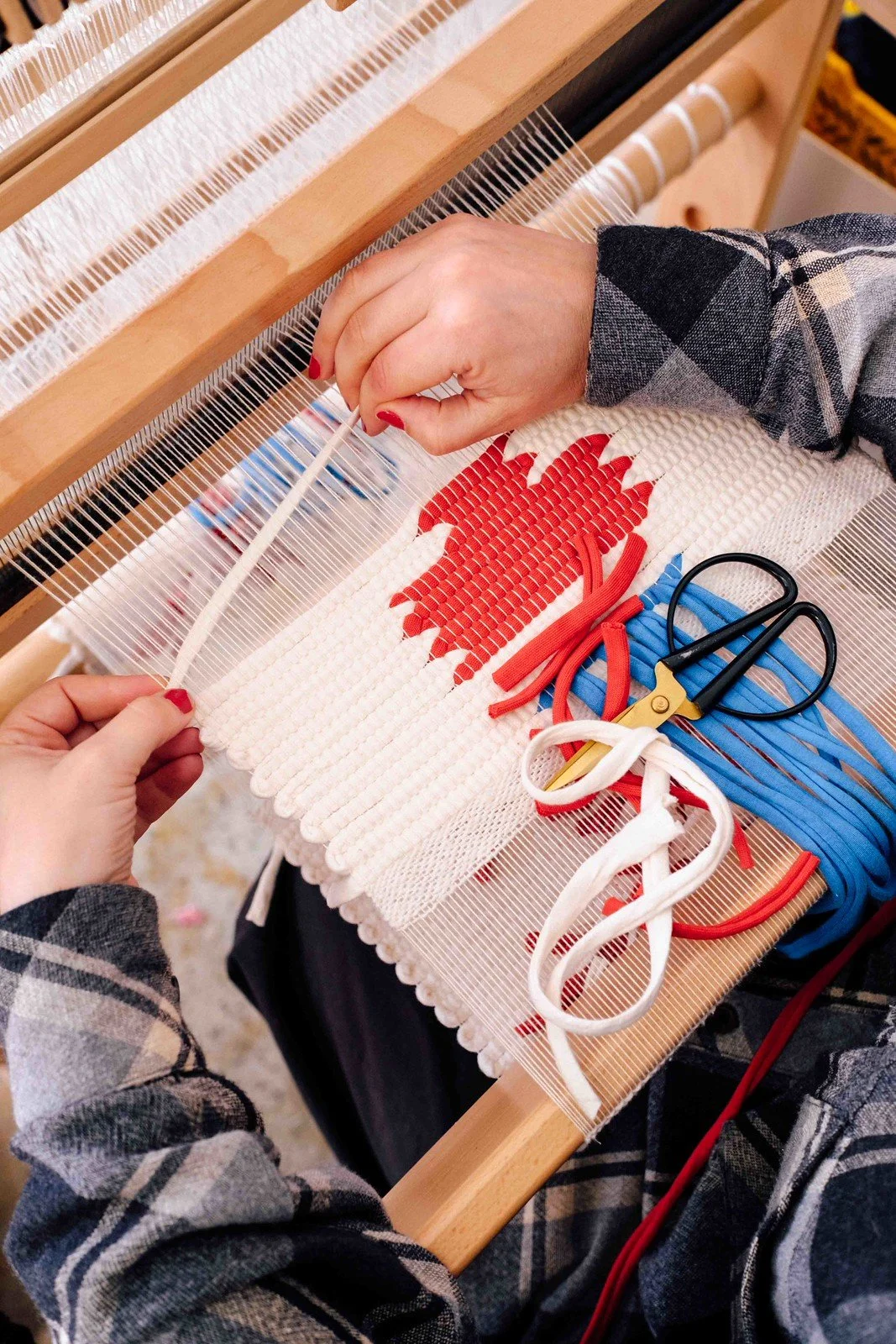
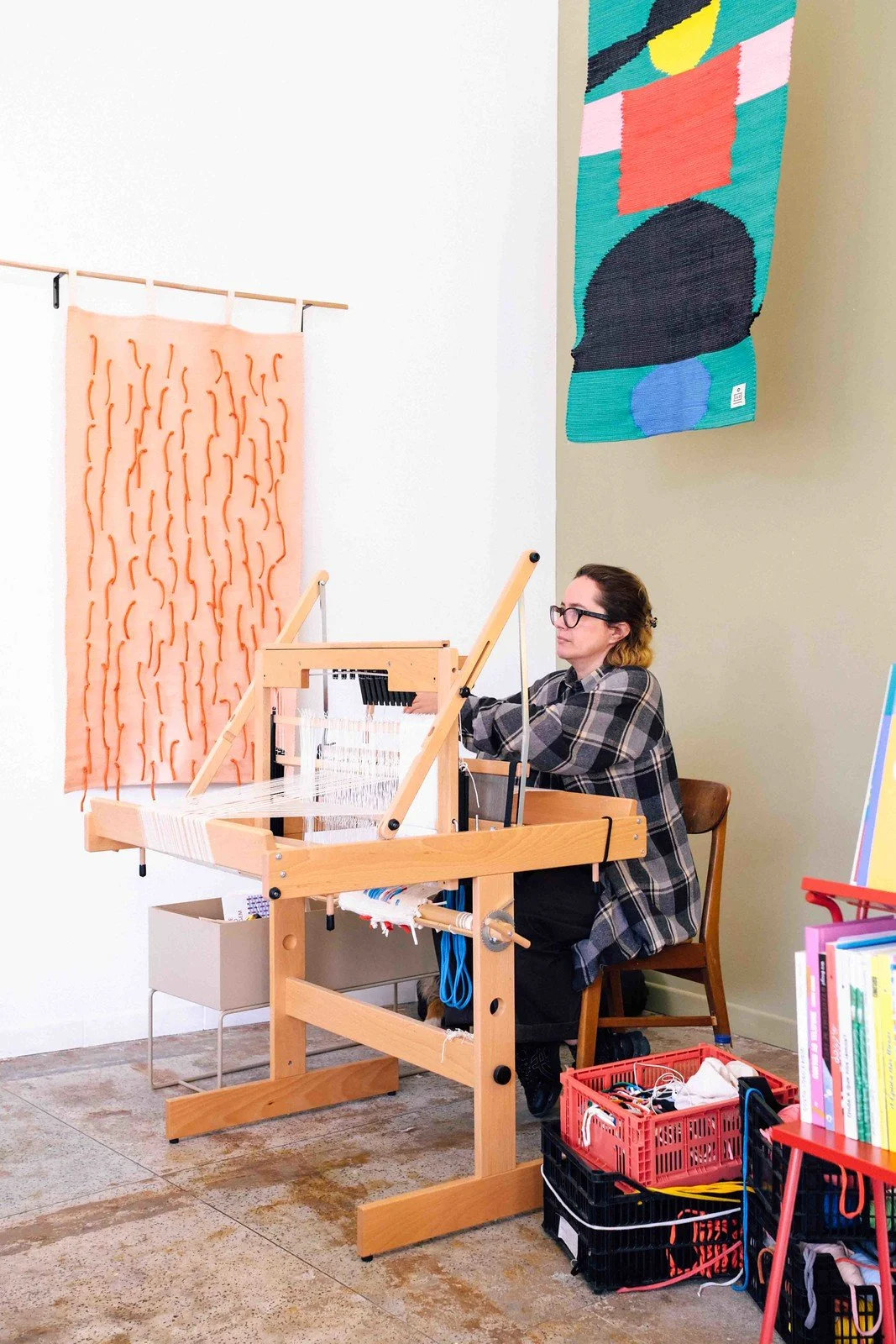
The Louet Jane loom now lives at the GUR shop.
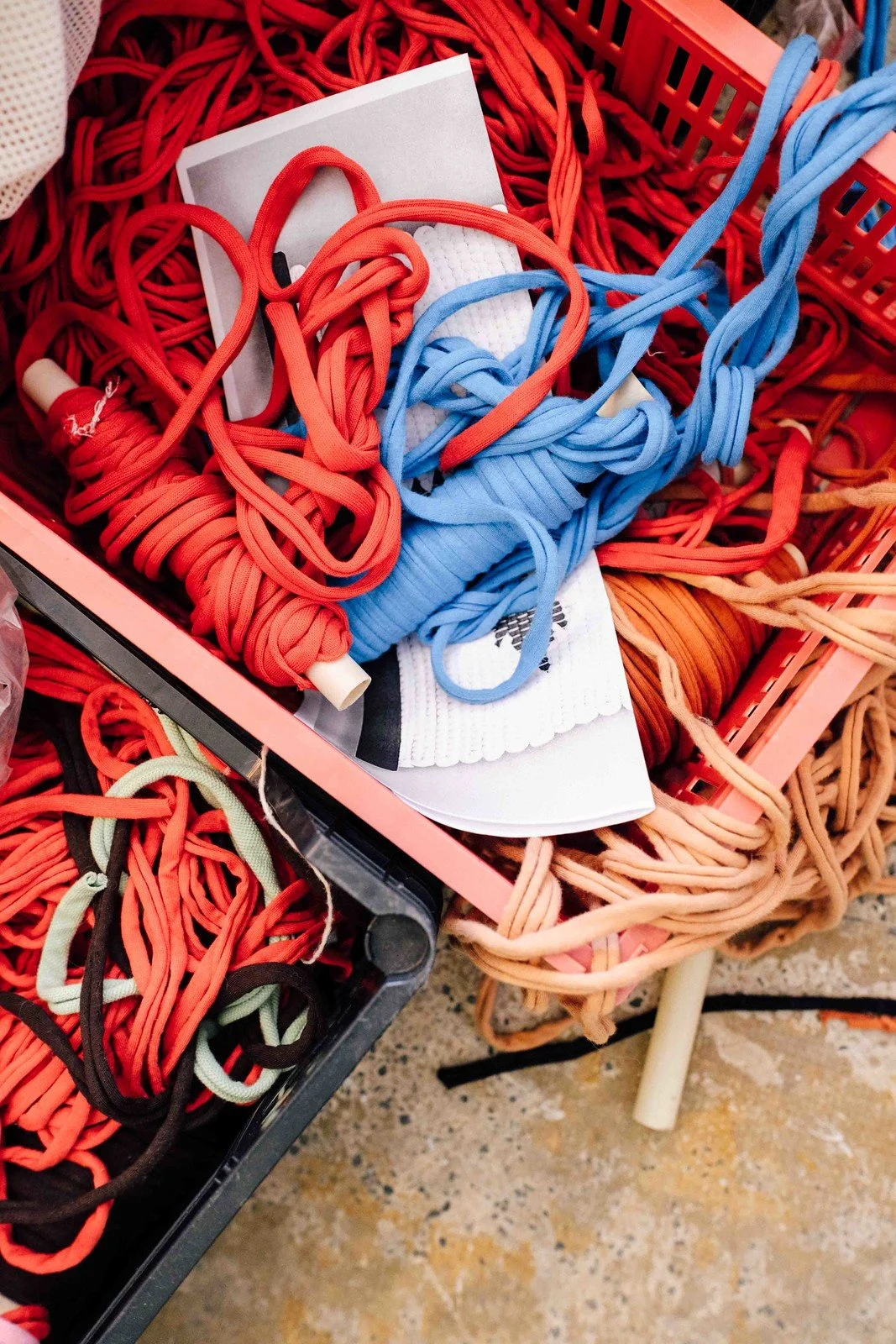
Cotton yarn, the material used in most GUR pieces.
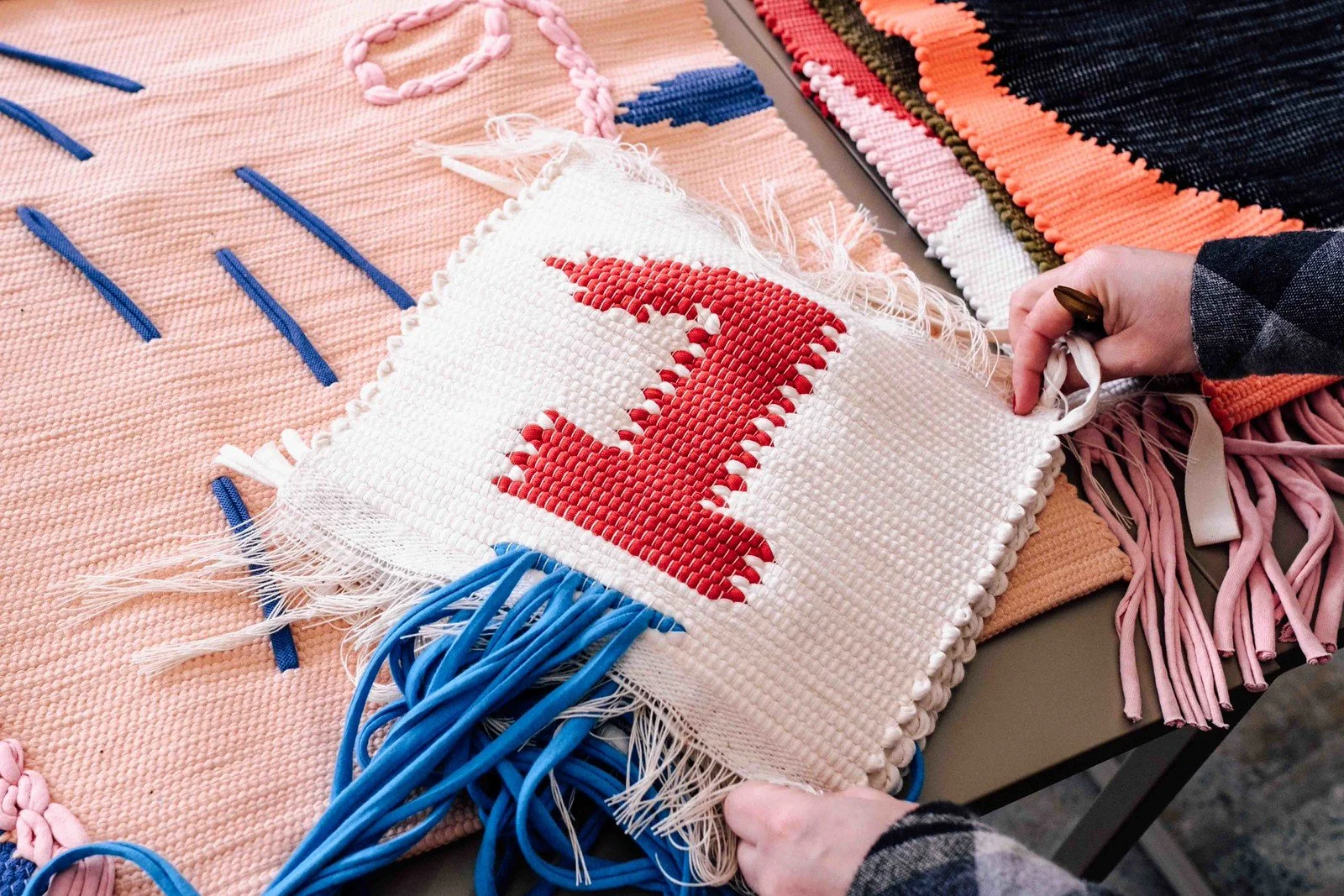
One of the pieces that Célia wove while I was there, for the collaboration with the campamento.
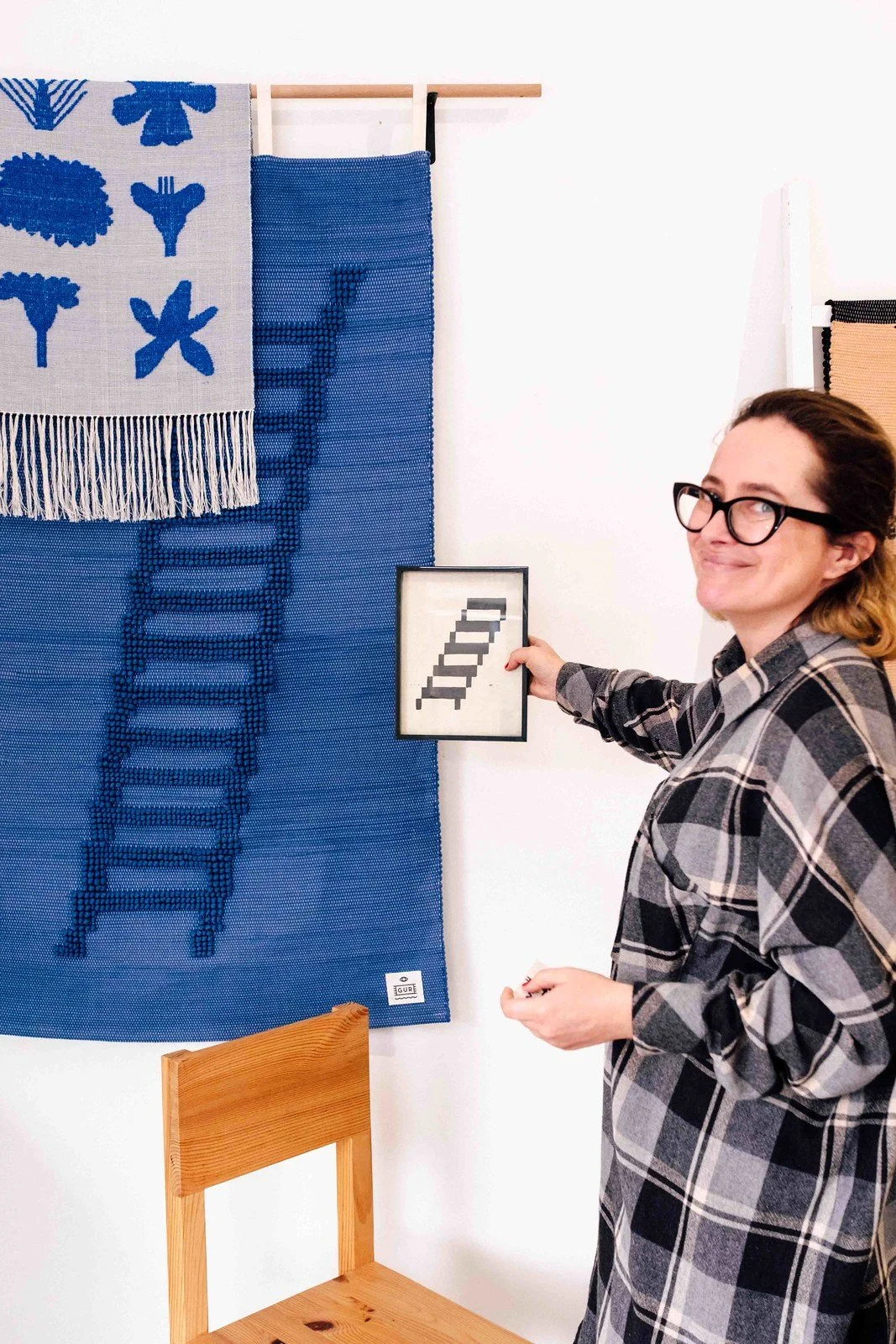
The illustration from Júlio Dolbeth and the GUR piece created from it.
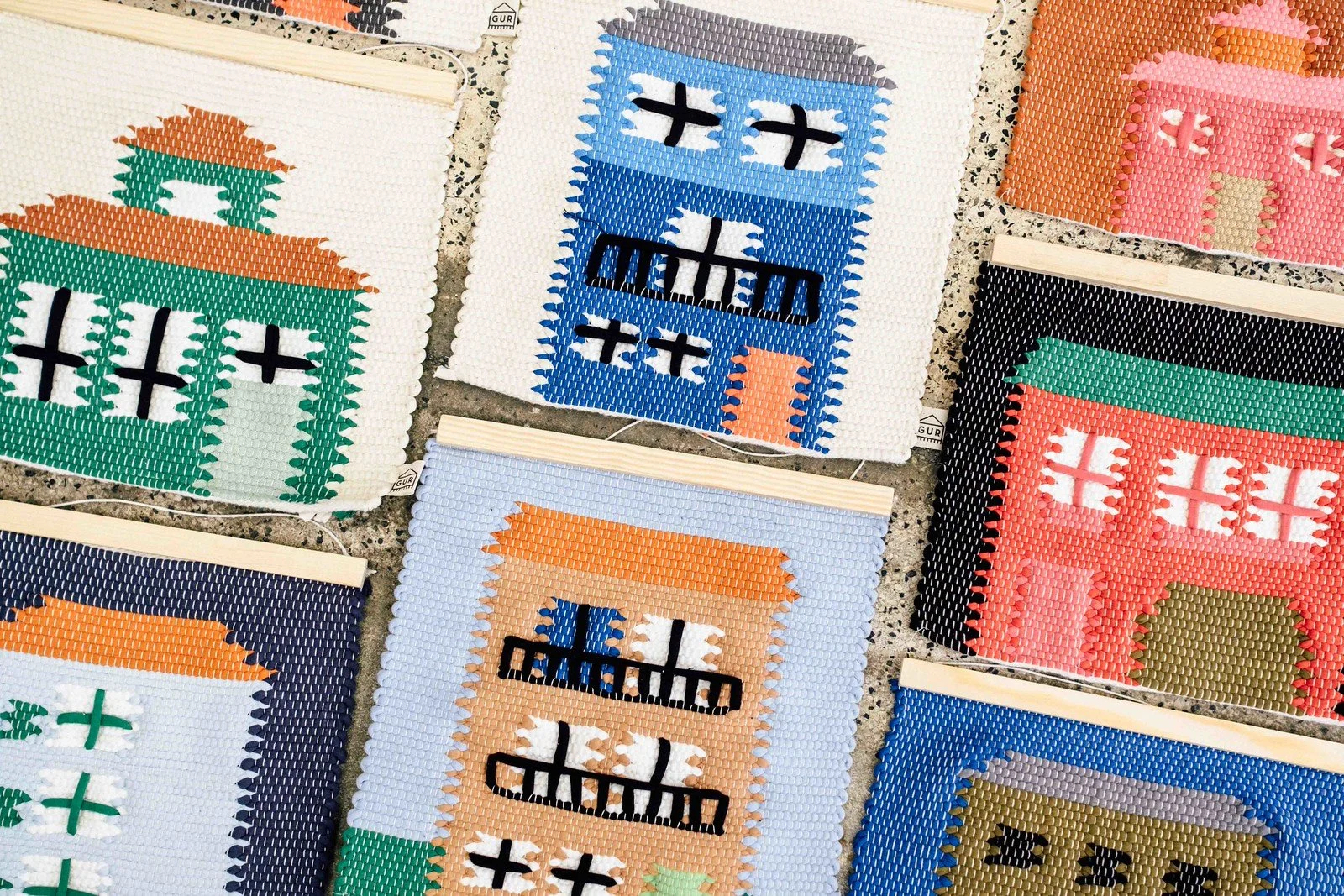
Mini-GURs picturing the Porto house façades, created by Célia.
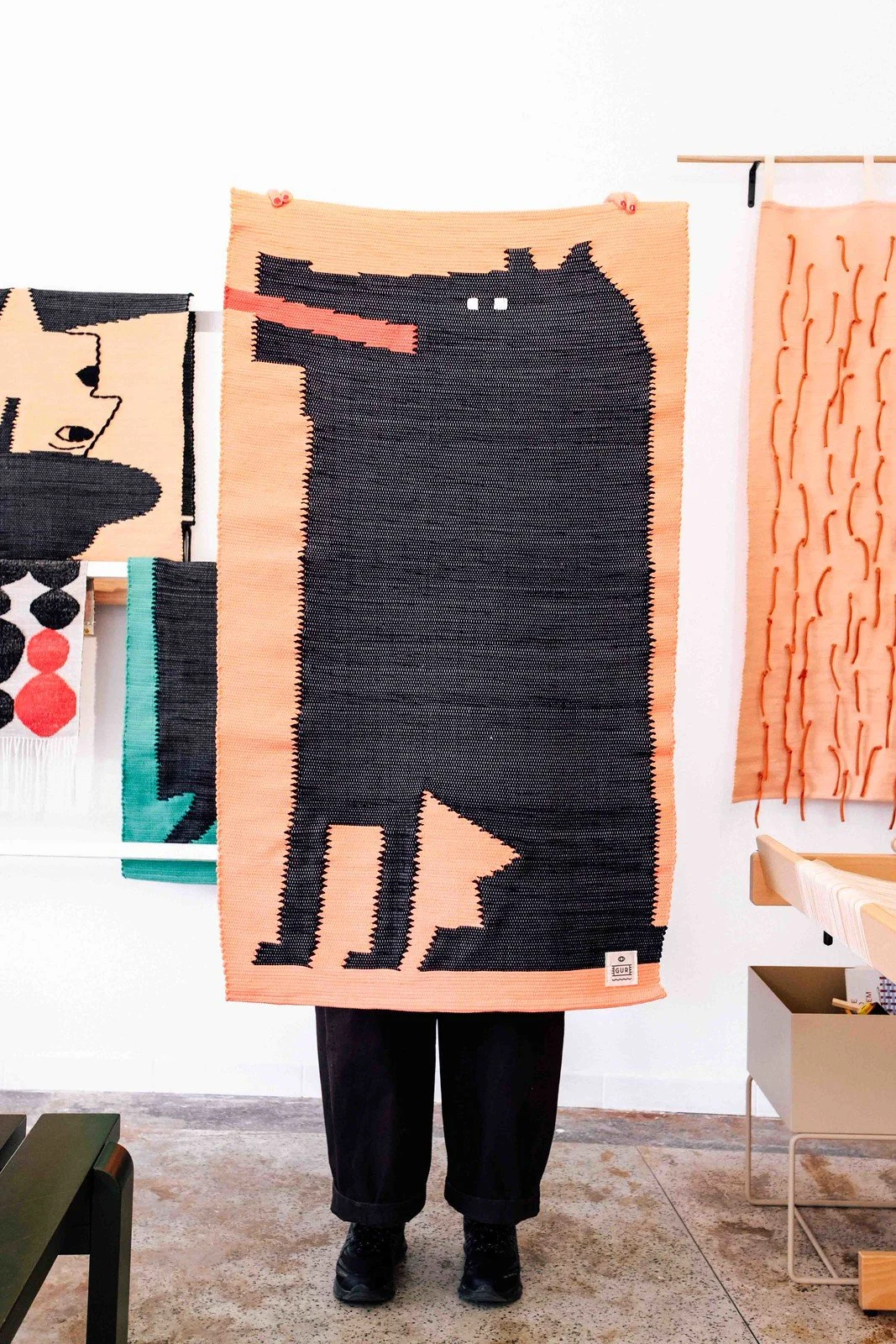
This piece mas created in collaboratio with Bob Mollema and it was the one we picked to bring home (Inside Wilderness).
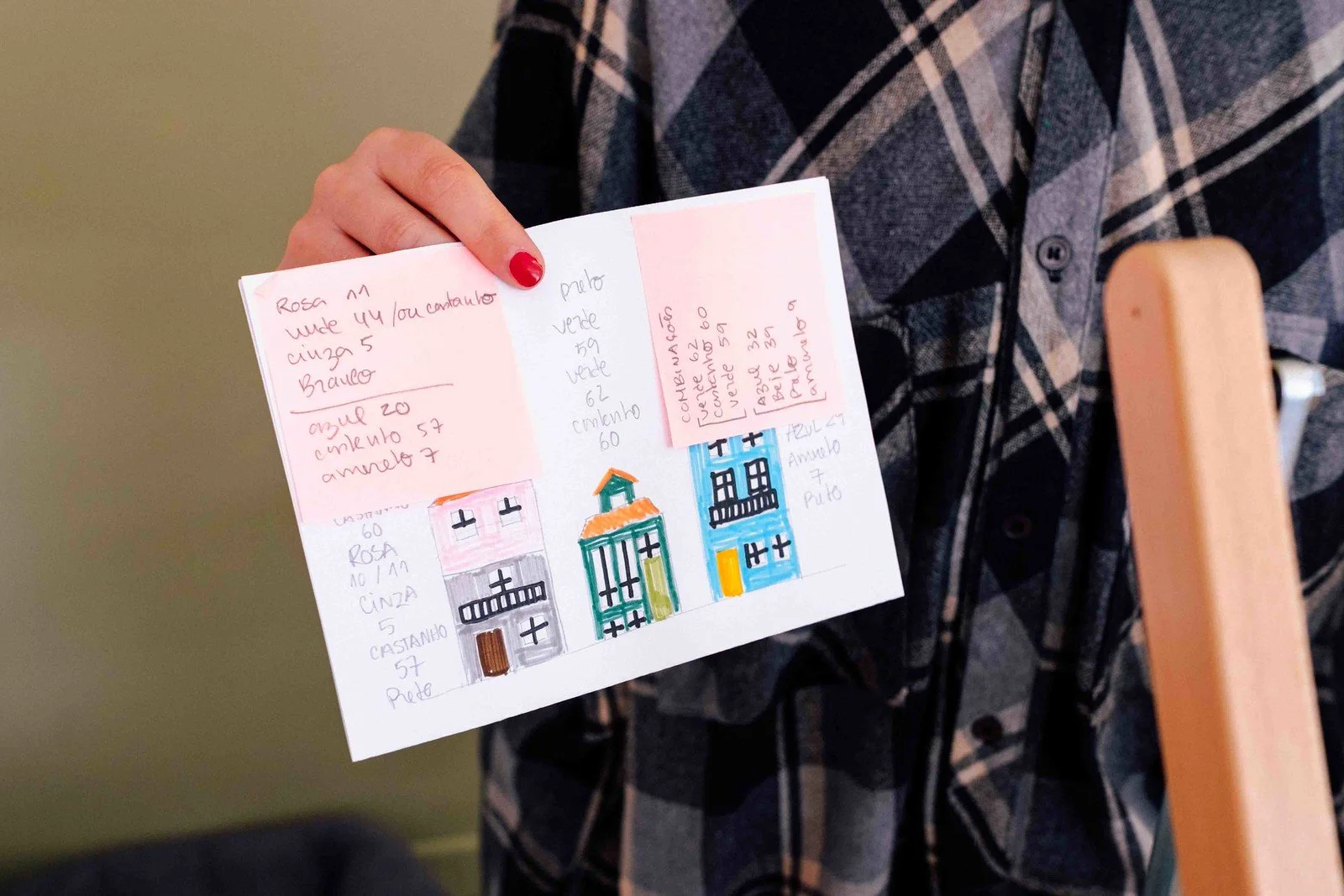
Sketches for the Porto houses mini-GUR.
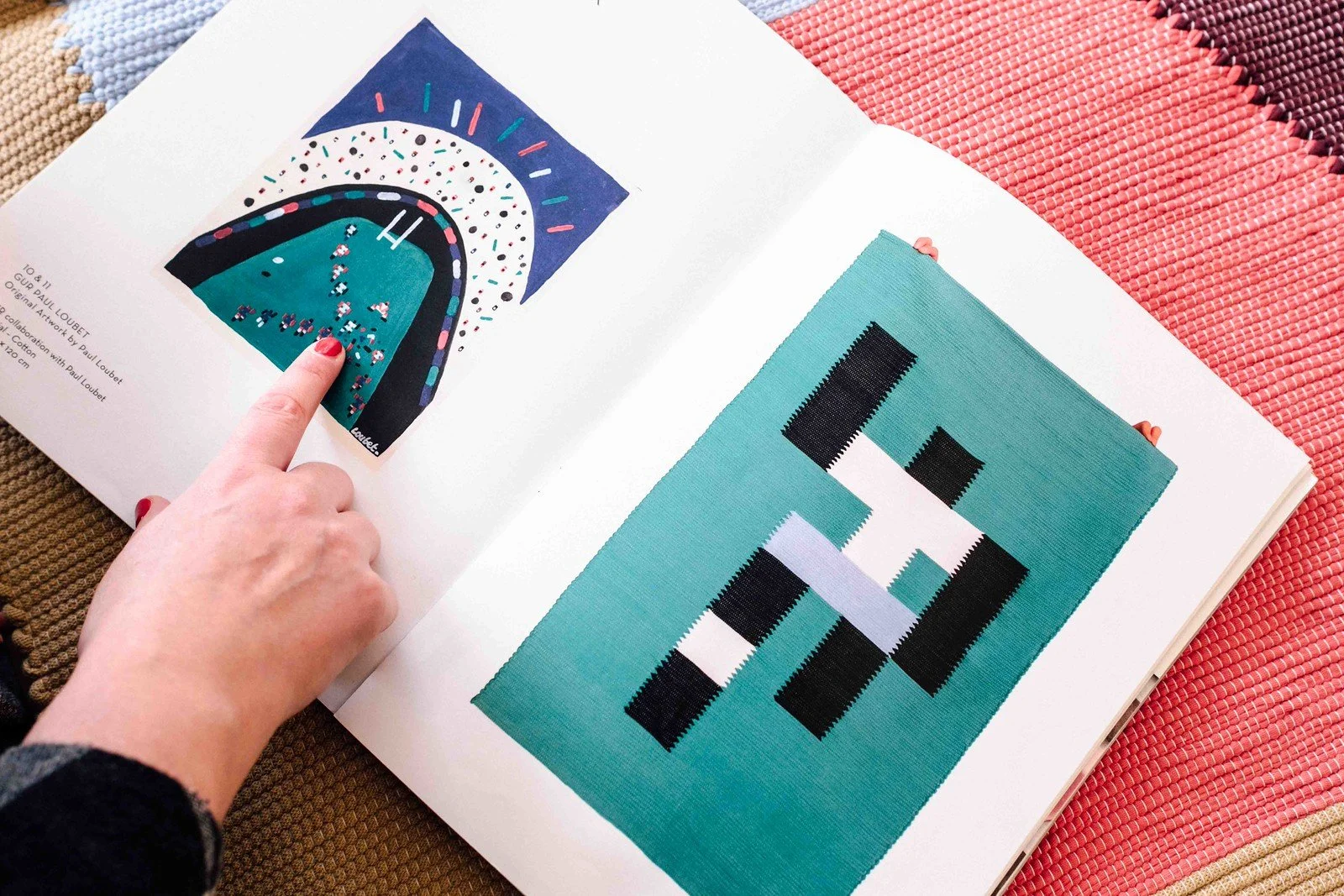
The detail of Paul Loubet’s illustration from which Célia created this piece.
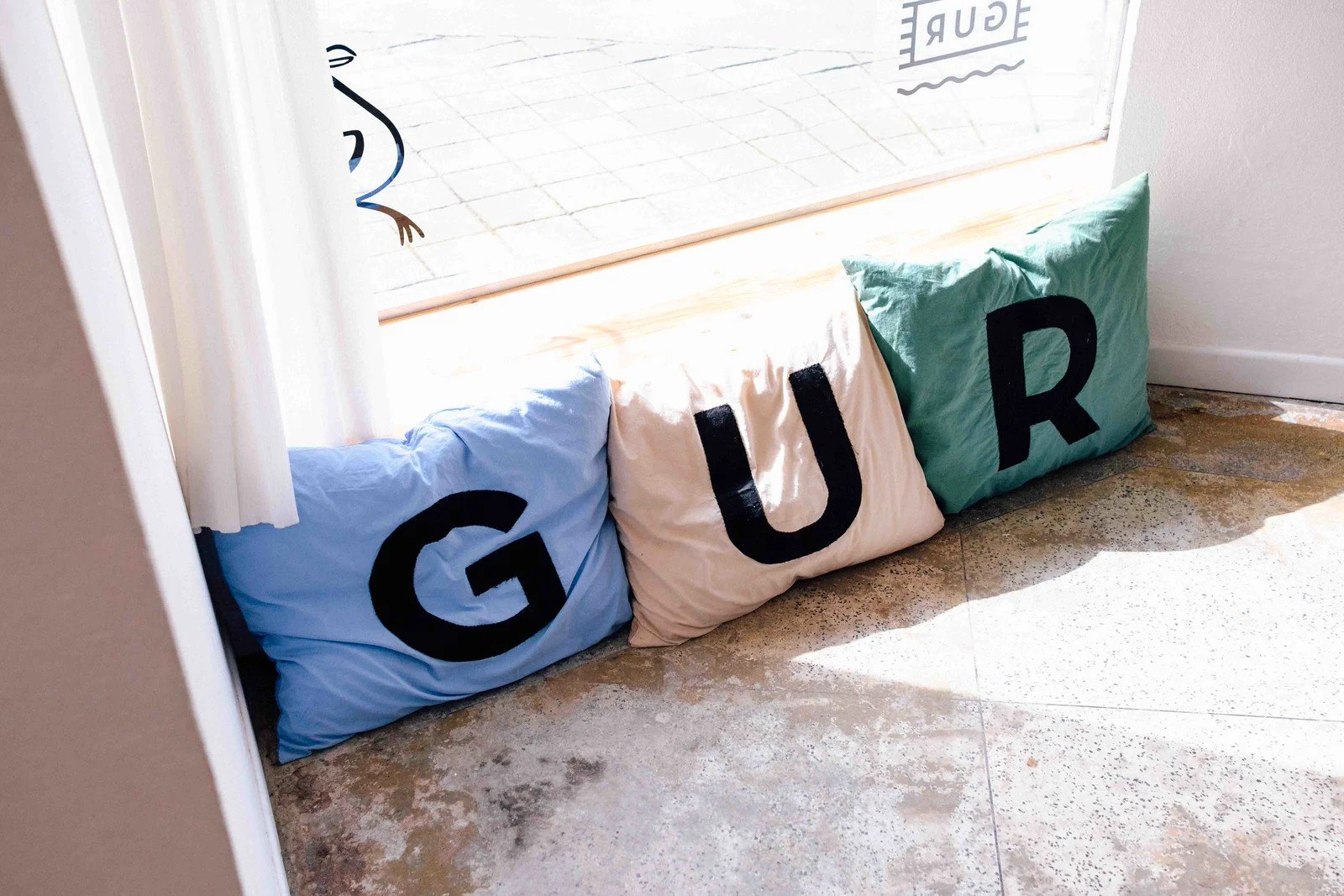
G-U-R.
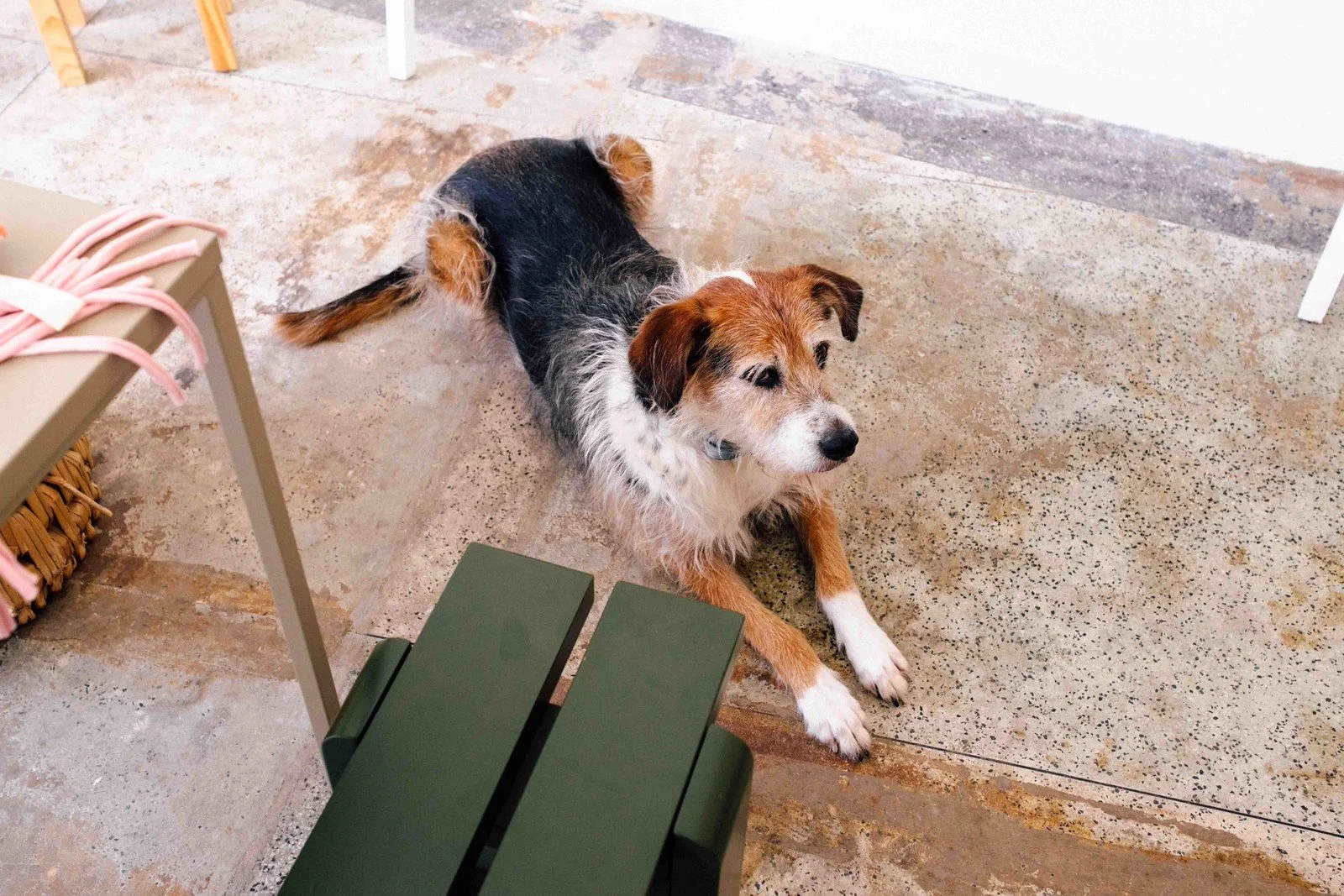
Xuxo, Célia’s companion at GUR.