Design non Design - semester at the Lusófona University
2023
Guest lecturer for the course “Design Não Design” in the Communication Design bachelor’s program at Lusófona University.
As part of this course, a project was developed focusing on practical knowledge (from doing to teaching) and the processes involved in effectively communicating “know-how” within the context of communication design.
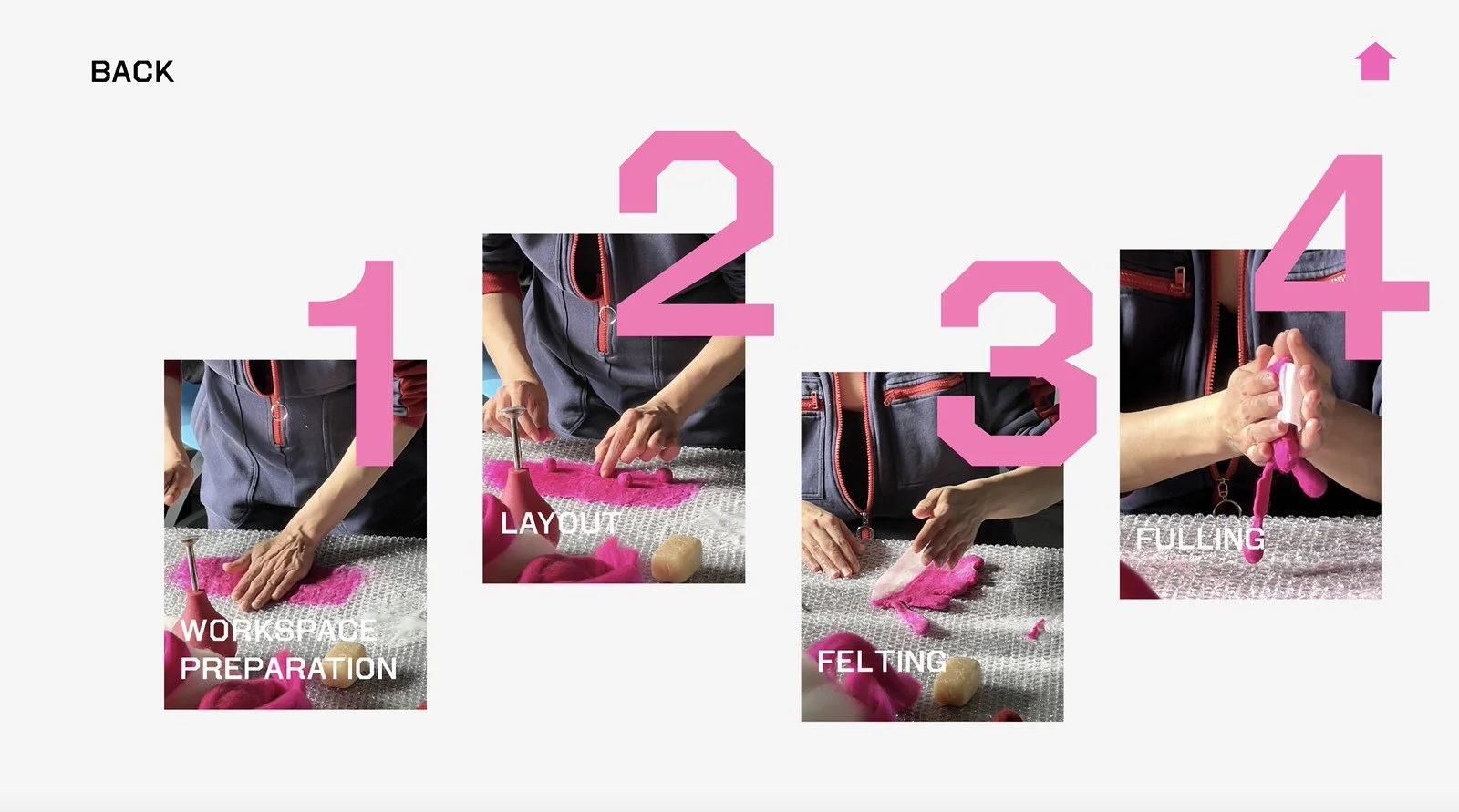
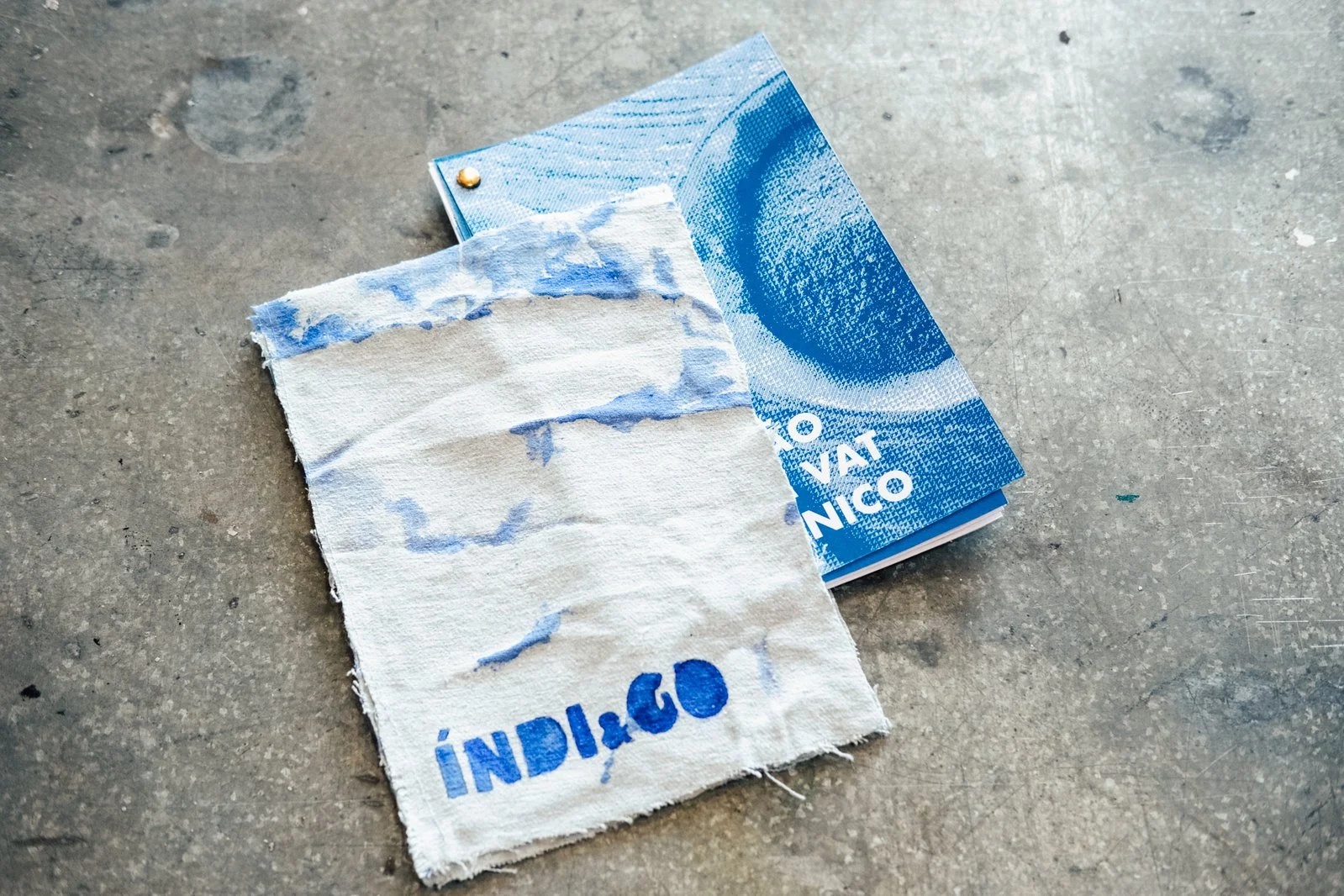
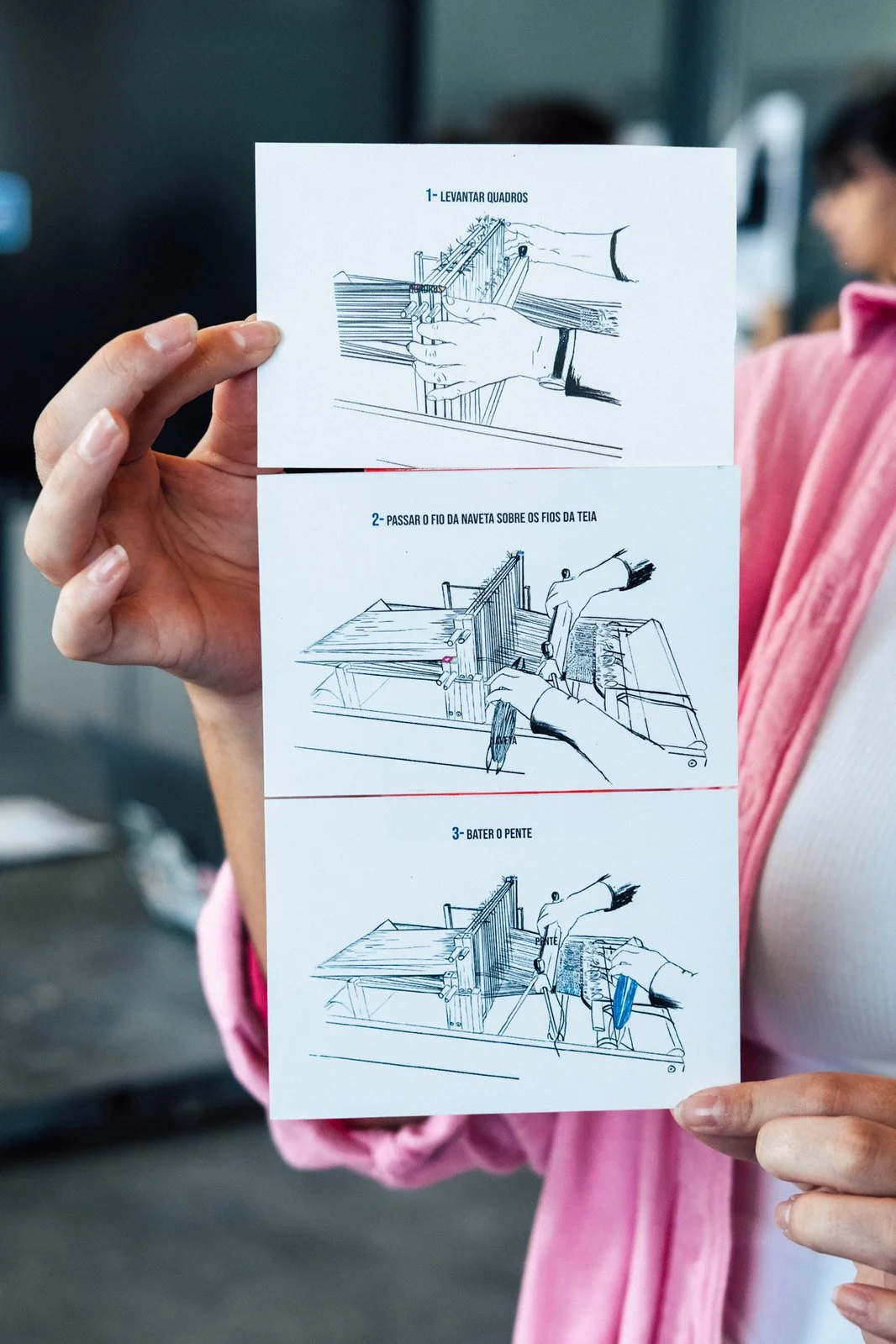
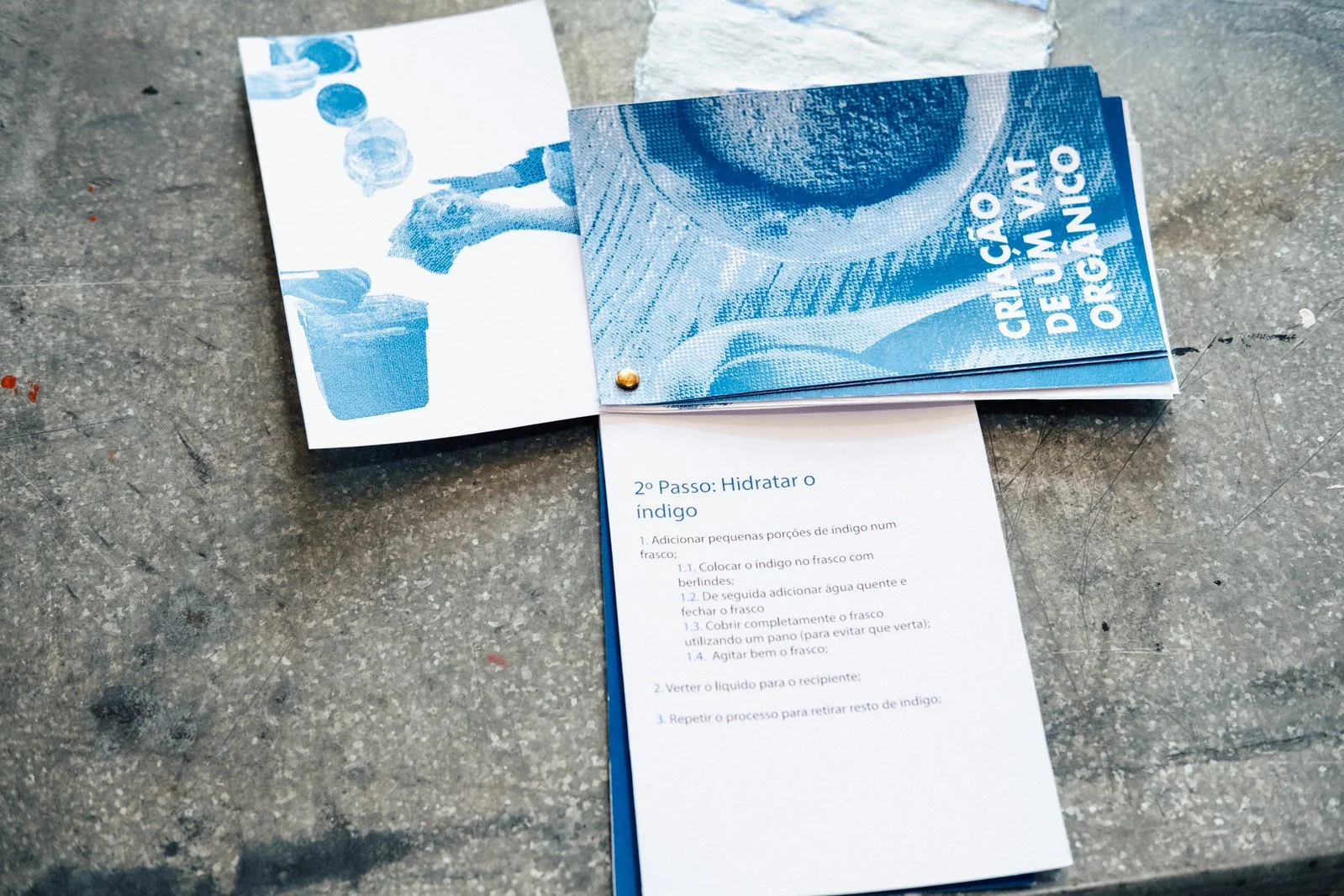
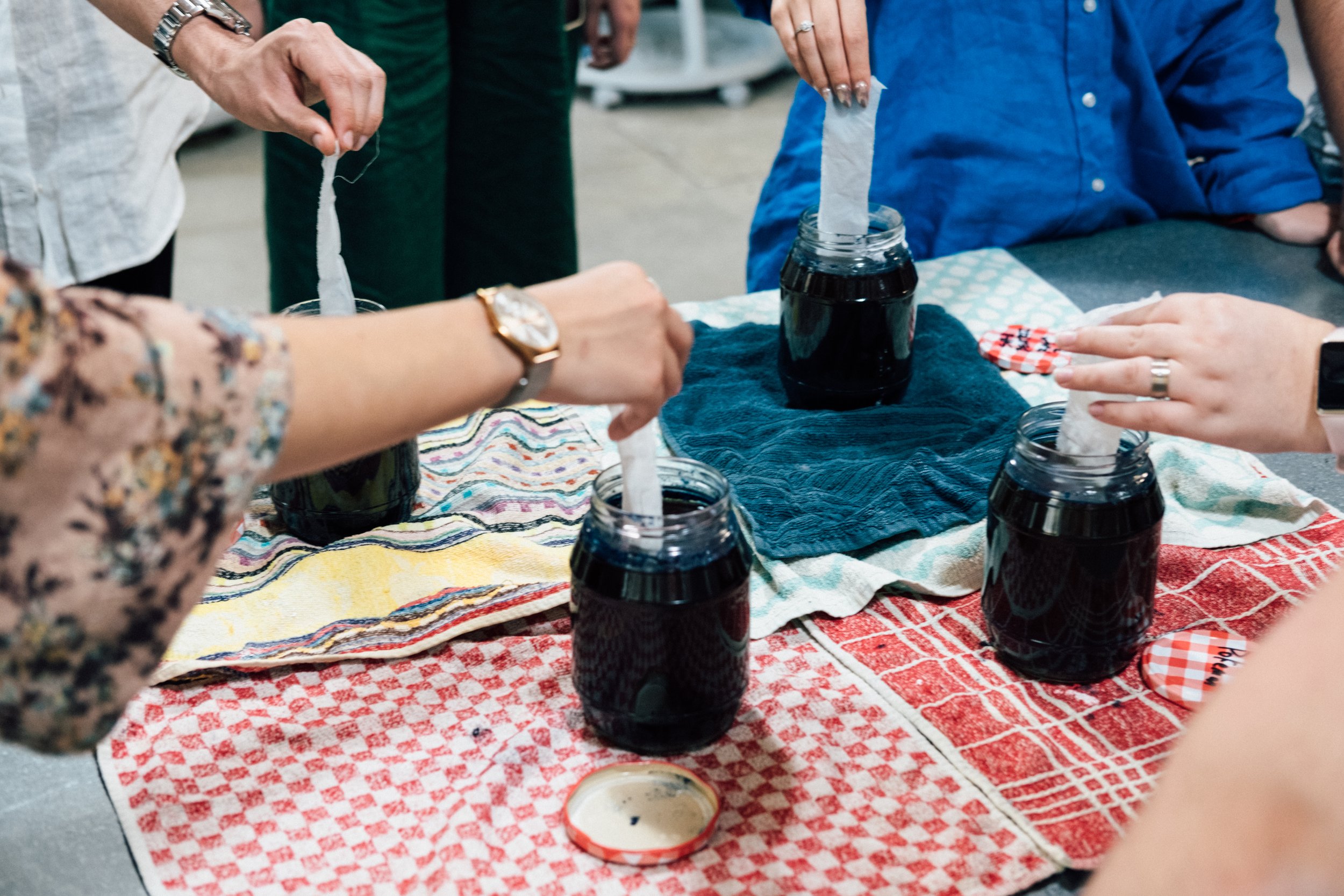
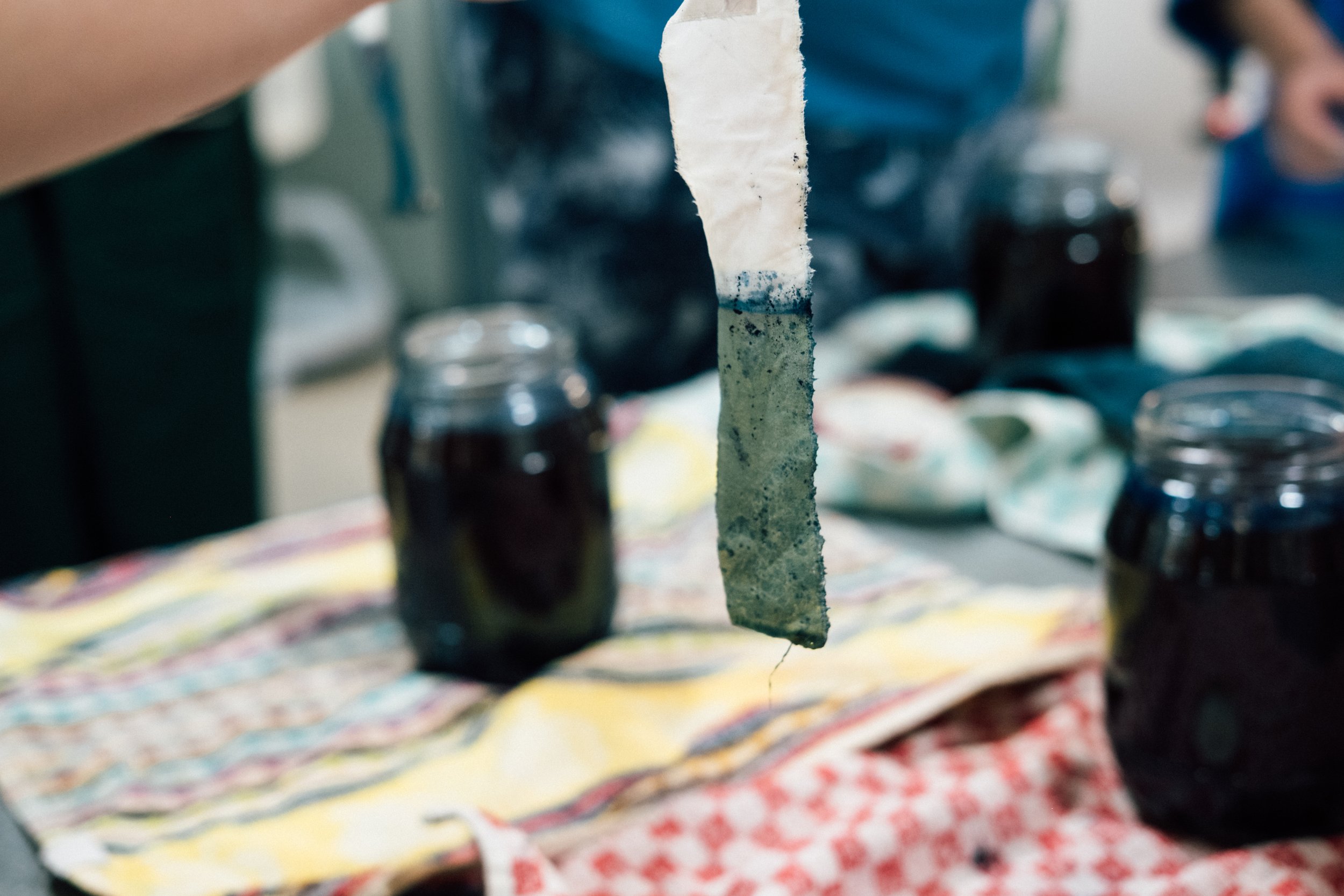
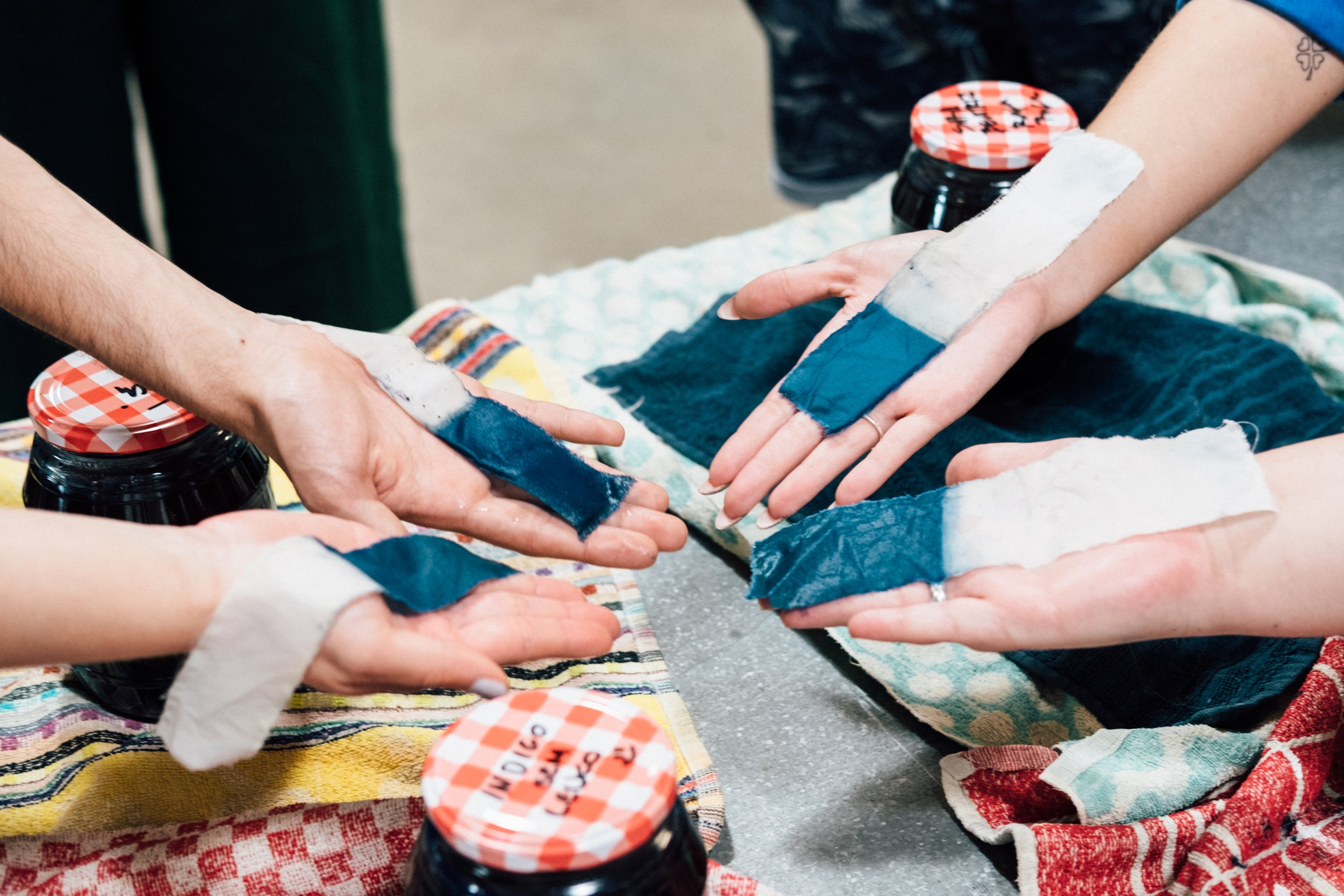
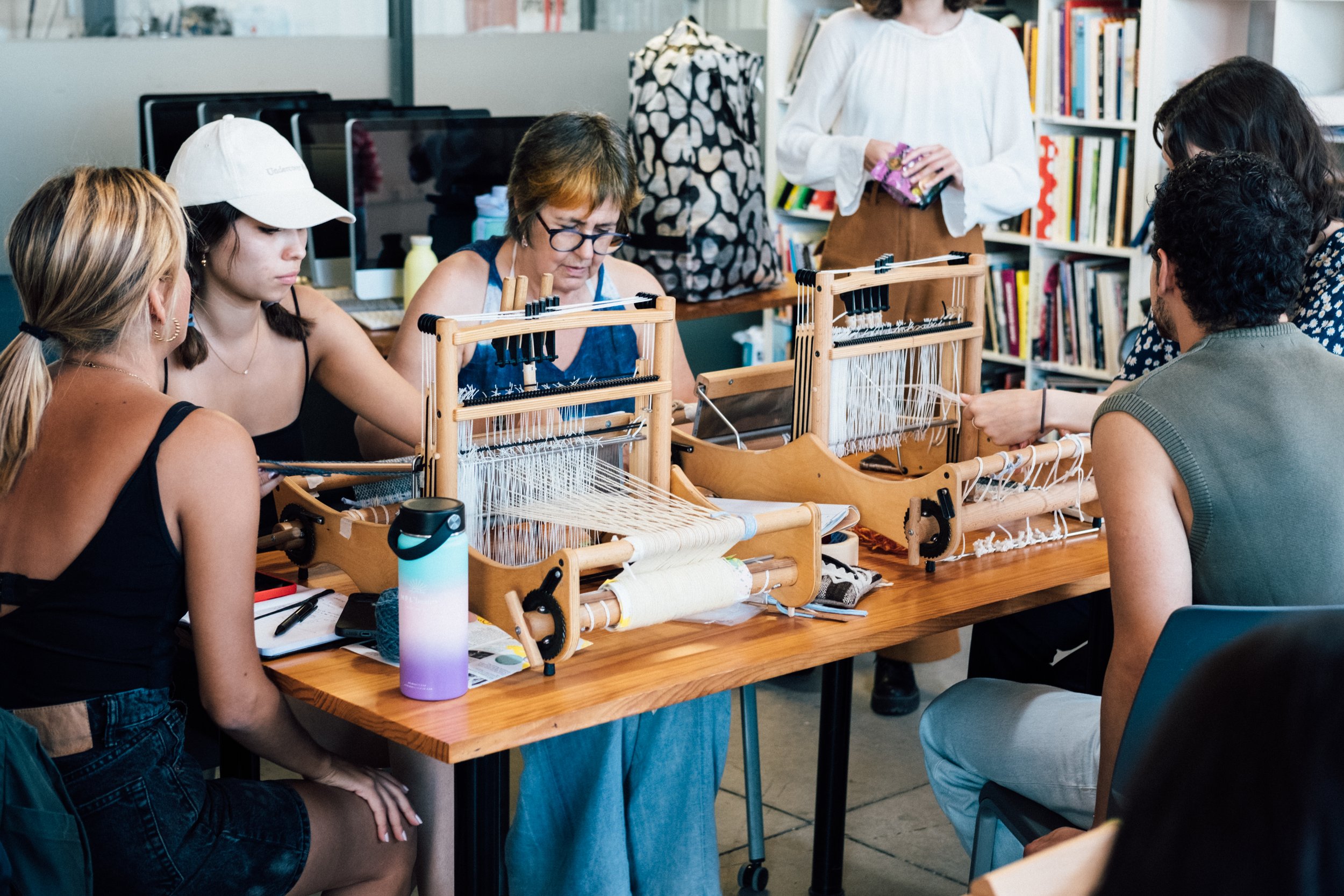
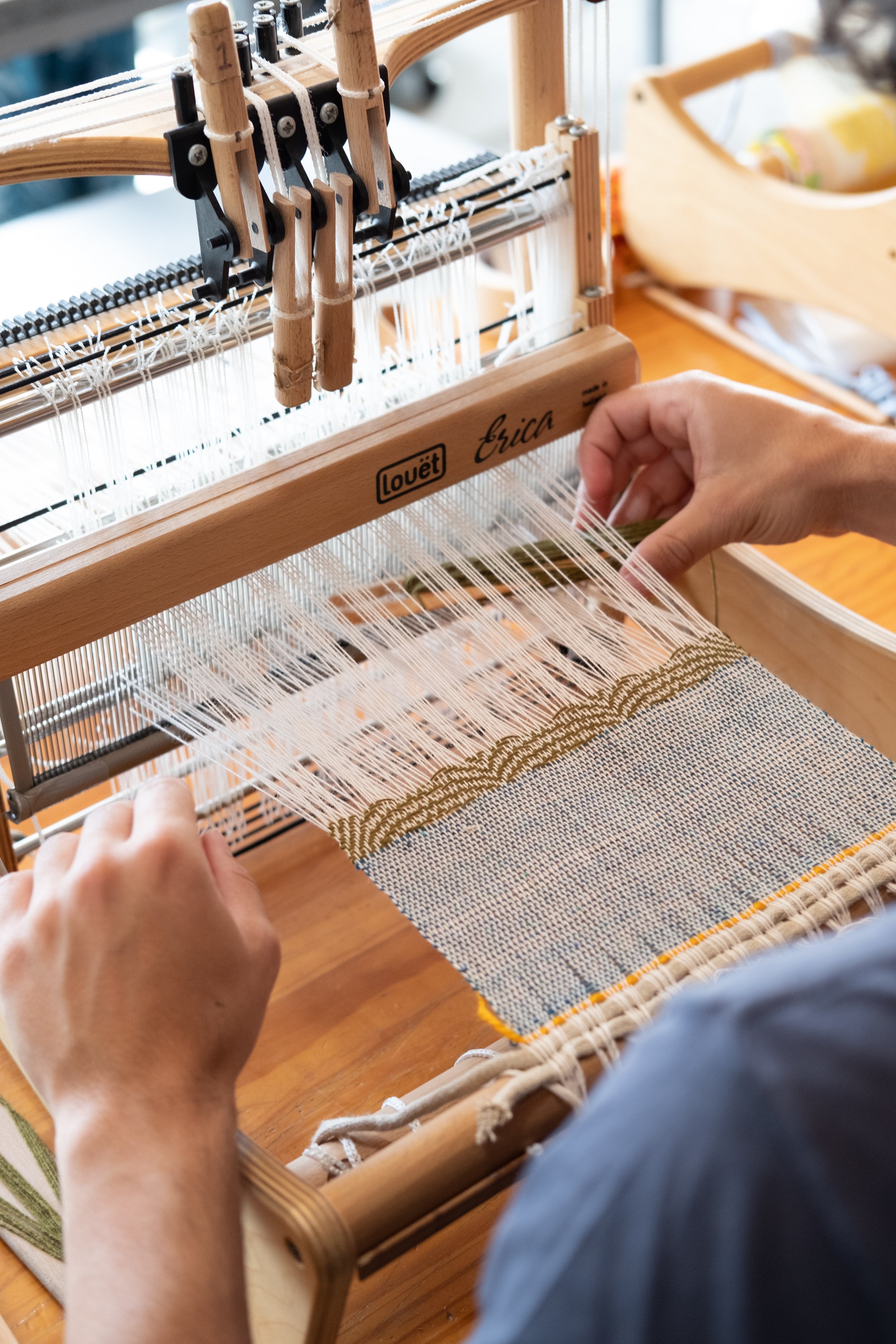
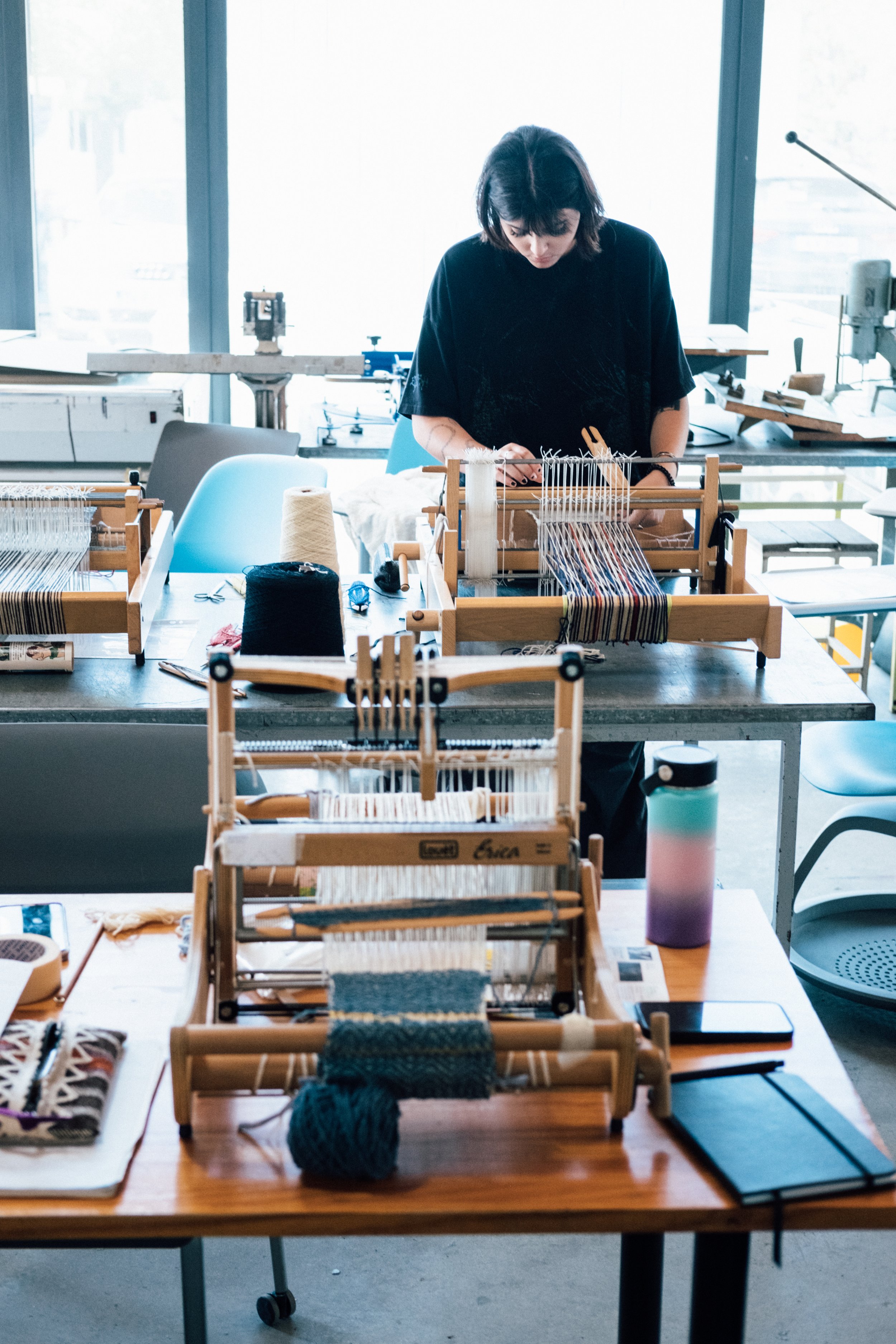
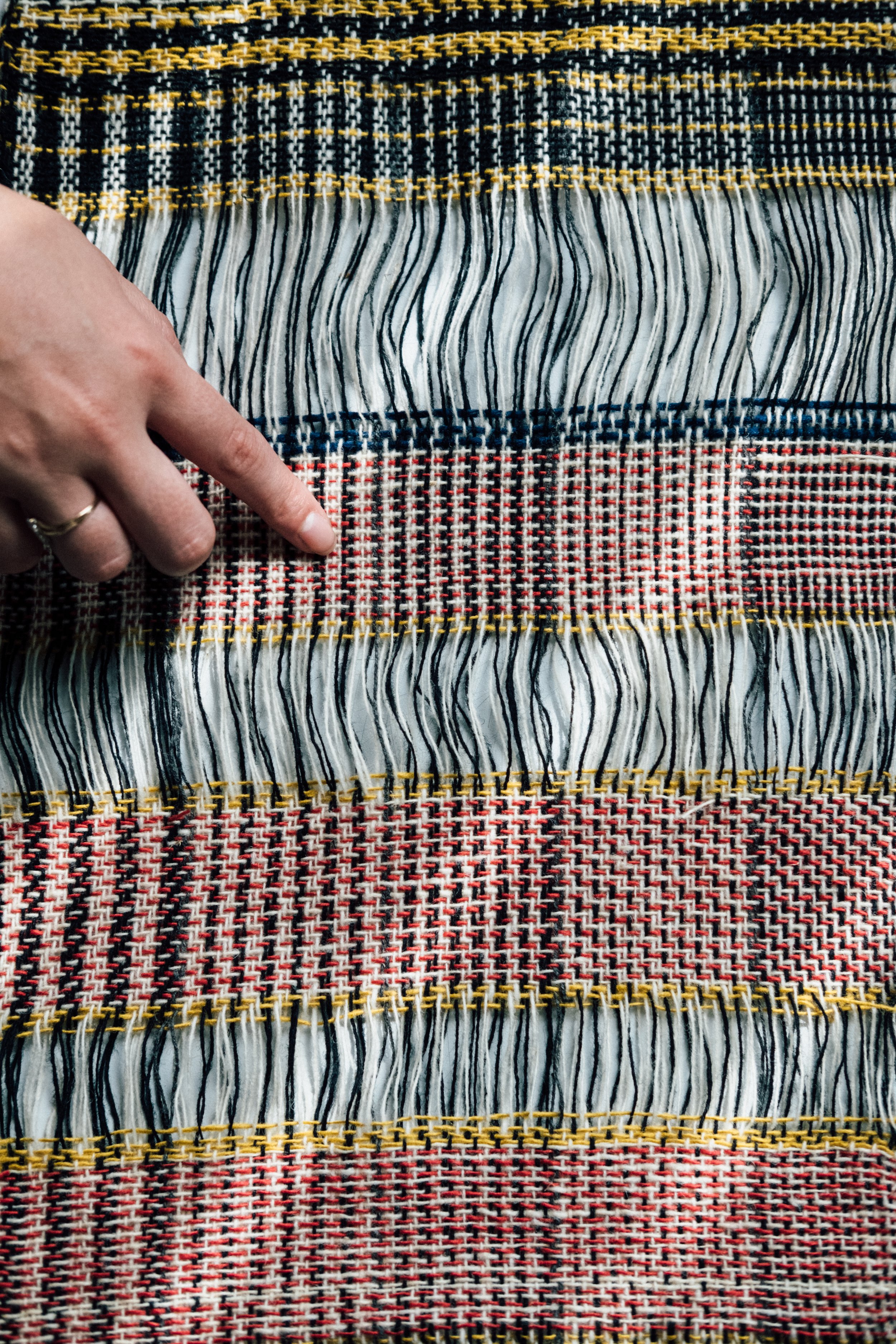
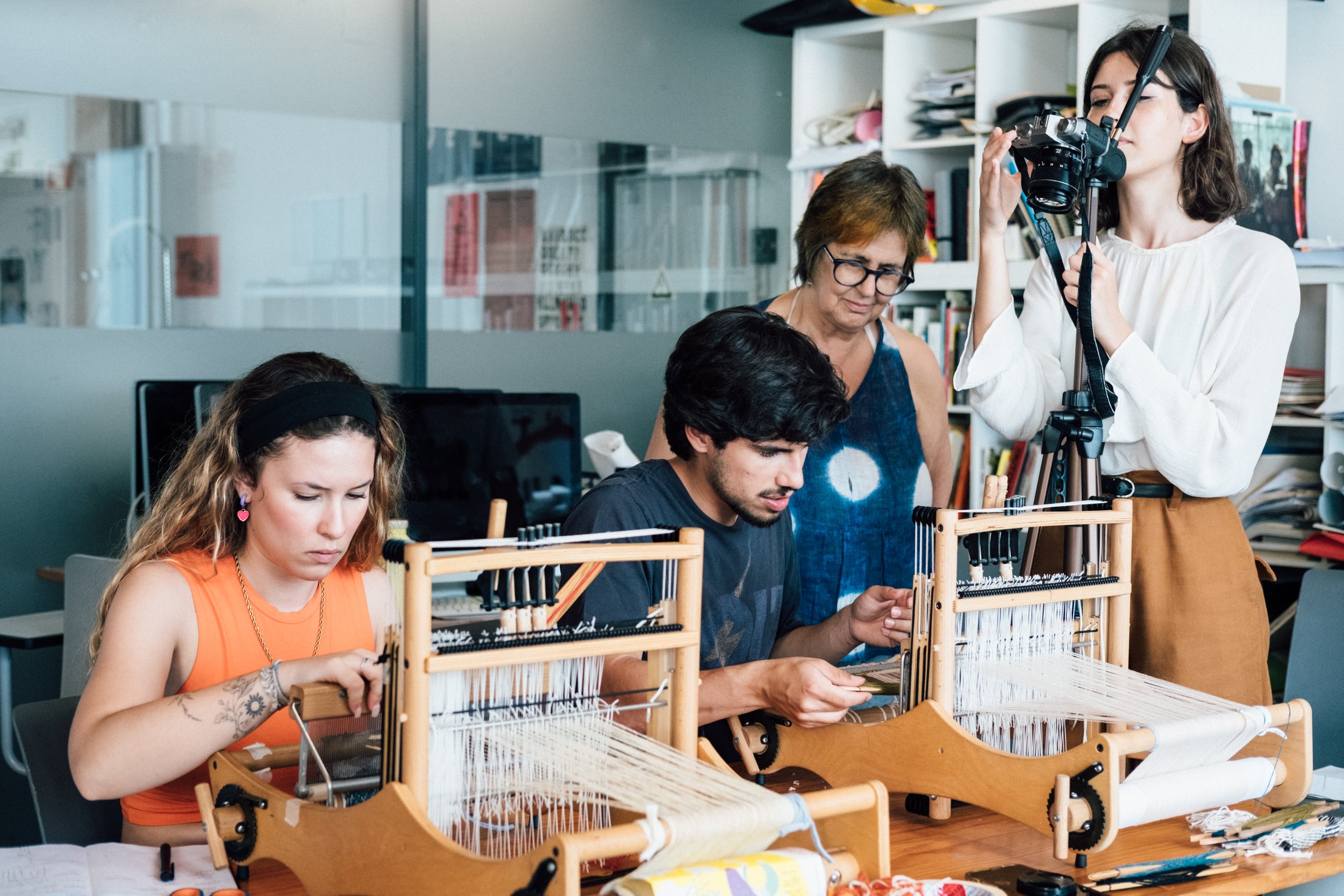
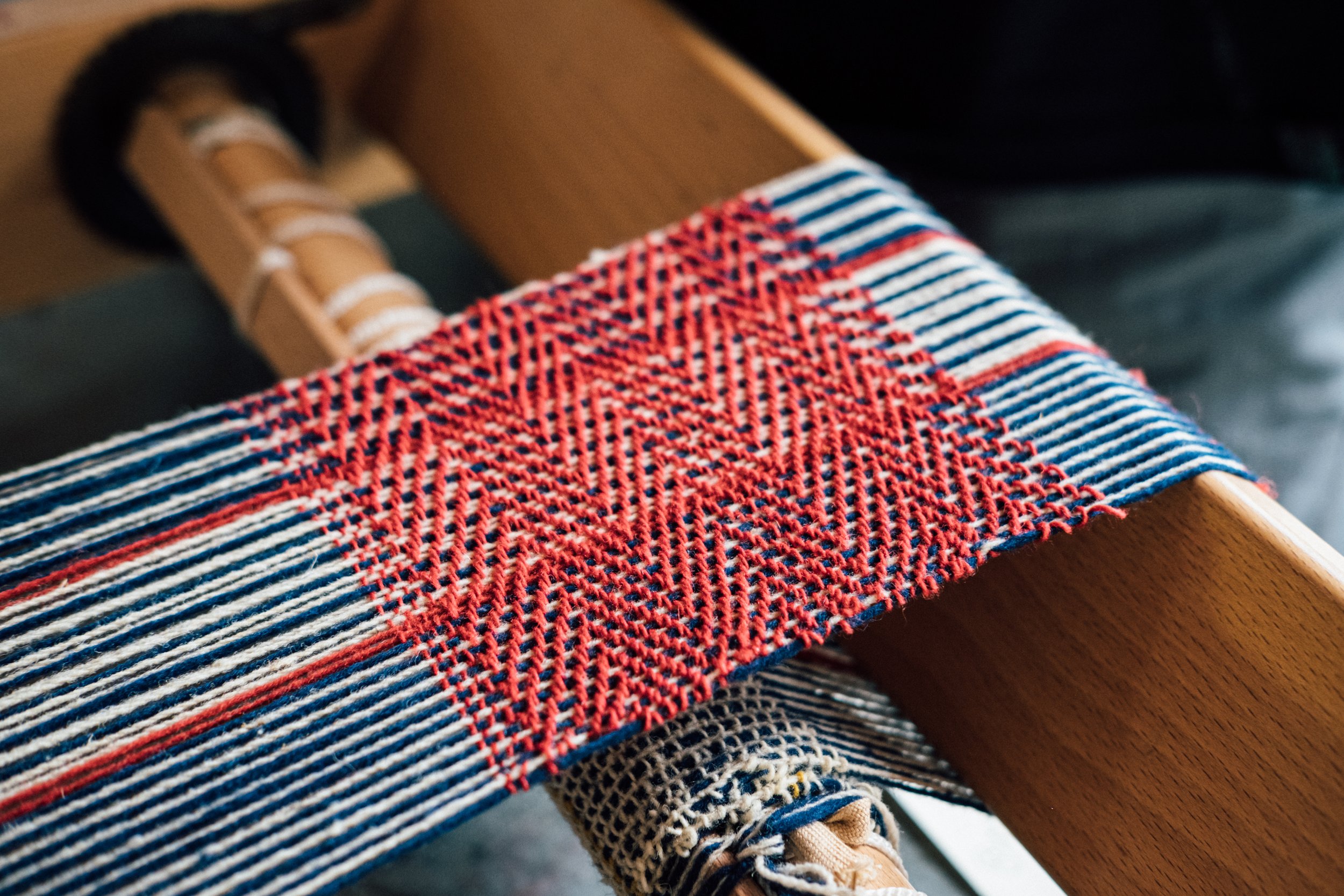
Taking three techniques from the realm of “know-how” (weaving, indigo dyeing, and felting) as the focus of their study and personal exploration, the students were challenged to document, learn, and teach/communicate this knowledge, in a process that required constant reflection on the issues and processes involved in transmitting technical knowledge.
The main objectives of the course were:
- To encourage interaction with other fields of work, in this case primarily related to small-scale manufacturing in the textile industry, as well as to experiment with and explore various “making” processes.
- An introduction to the specific aspects of operational knowledge (know-how): Exploring methods for collecting, documenting, and organizing information; Reflection and study on the production of materials for communicating operational knowledge; The importance of technical and communicative accuracy; Working on the analysis, breakdown, restructuring, and (re)creation of information.
- Demonstrate and evaluate the impact of “learning by doing” not only on knowledge acquisition but also on the production of materials for communicating practical knowledge. Analyze the differences in outcomes and processes between observers and participants.
Documenting vs. Making
The project was organized into three phases, with one of the objectives being to reflect on the impact of “know-how” on “communication skills.”
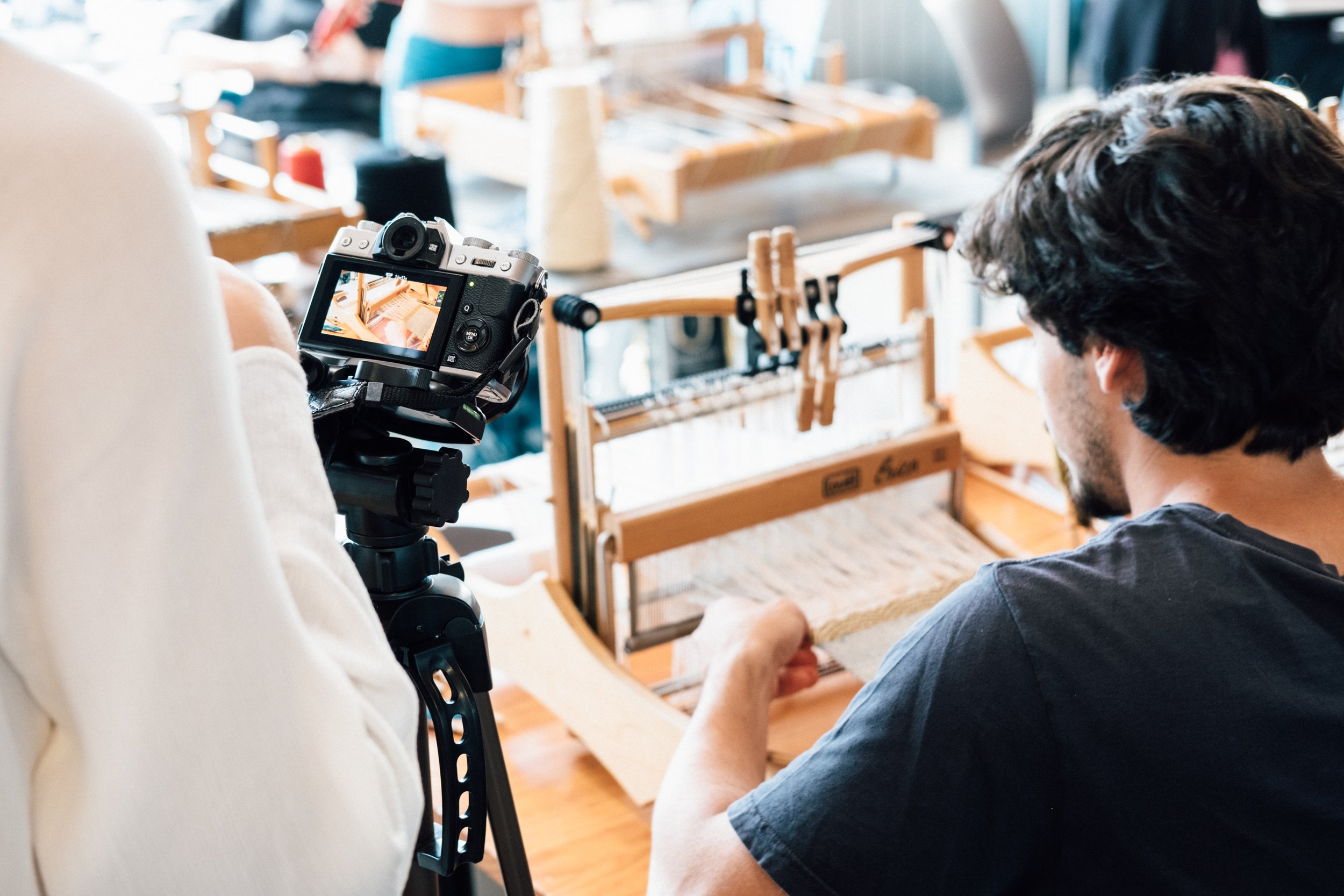
In the first phase, students were only allowed to observe the techniques being performed, without engaging in any hands-on learning themselves. They were free to record the session using any methods they chose. This phase consisted of a demonstration of the three techniques by experts, which the students were able to watch and record using any methods they chose.
From that point on, relying solely on their notes and observations, the students began to develop their project—the object through which they would demonstrate the technique they had observed.
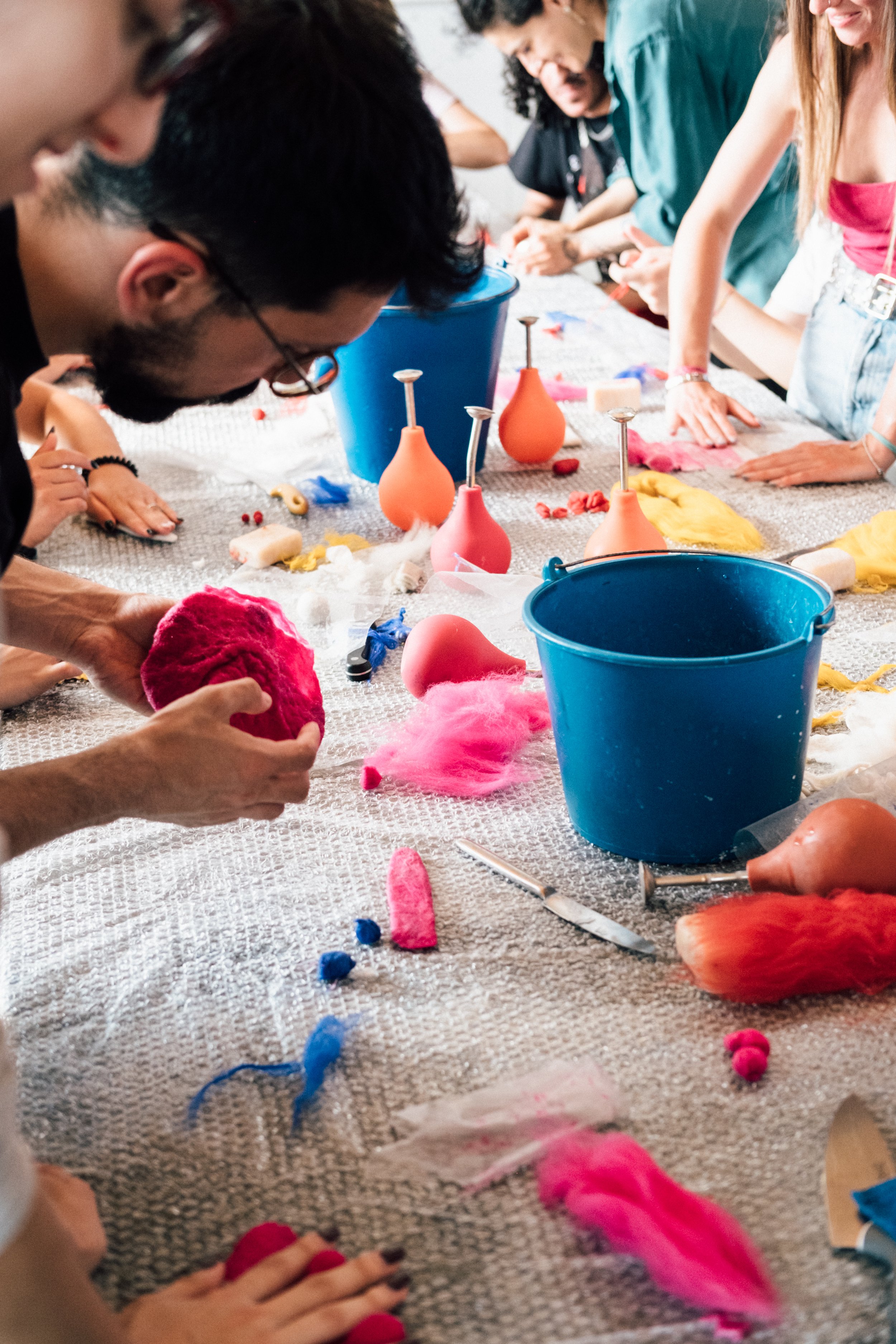
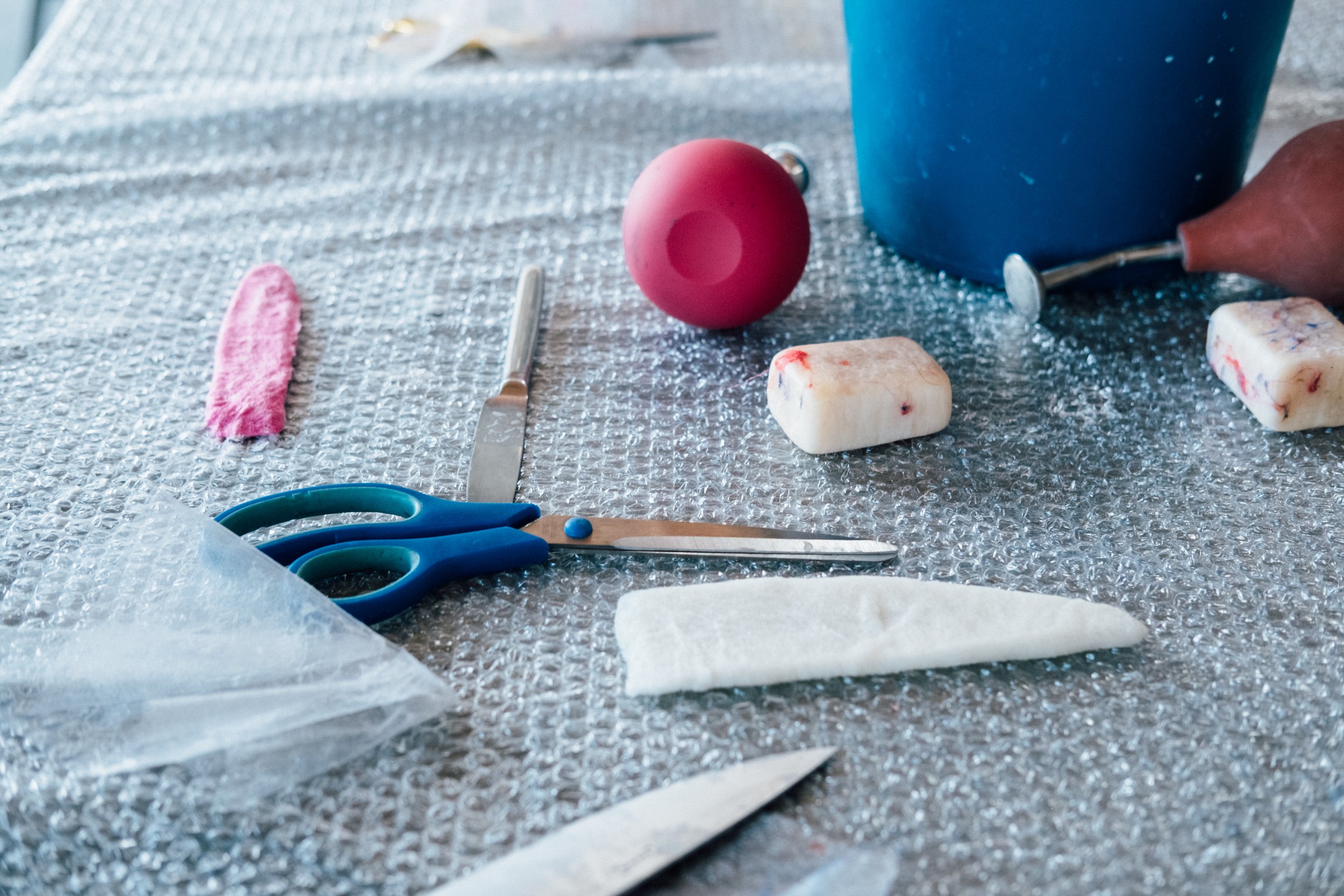
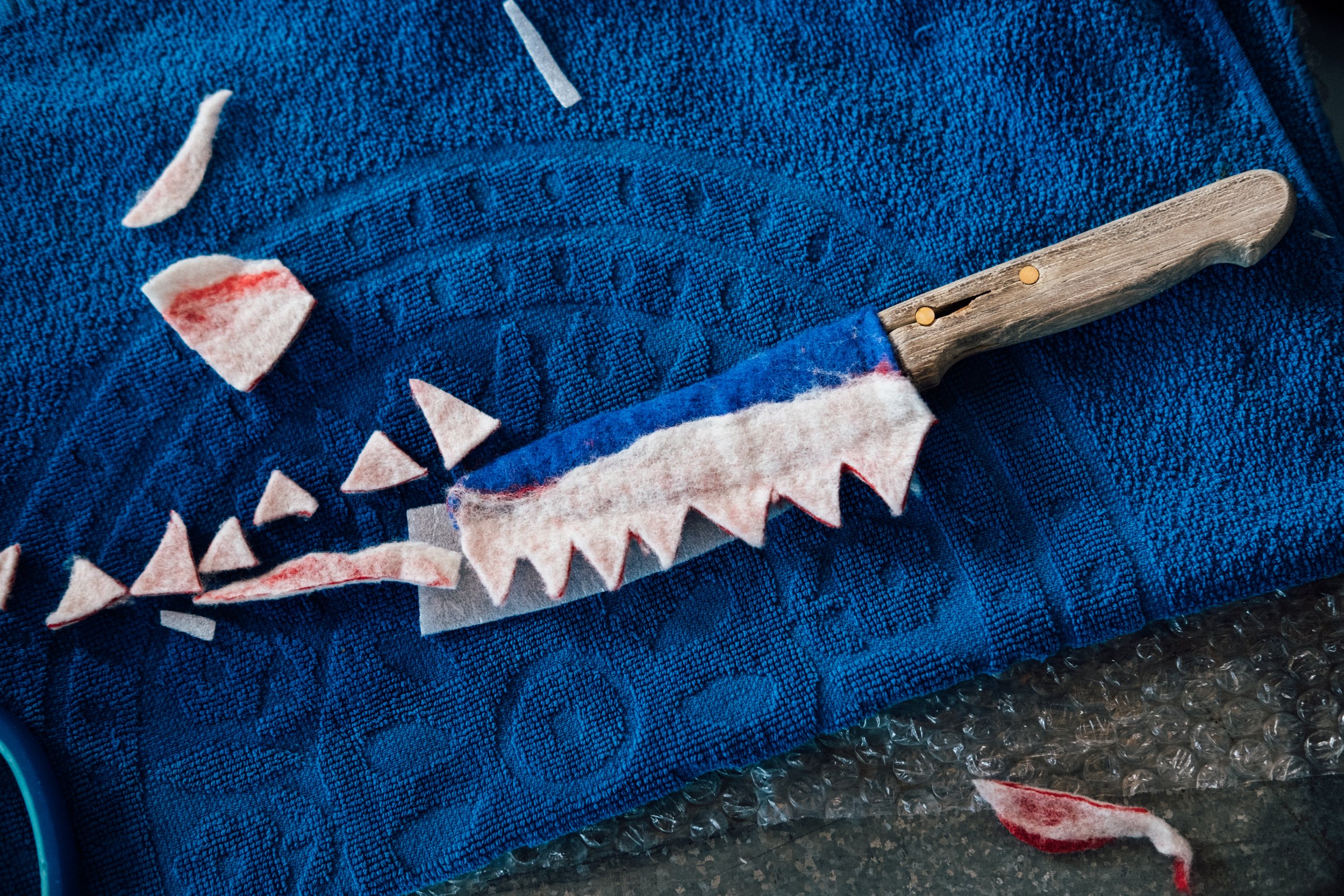
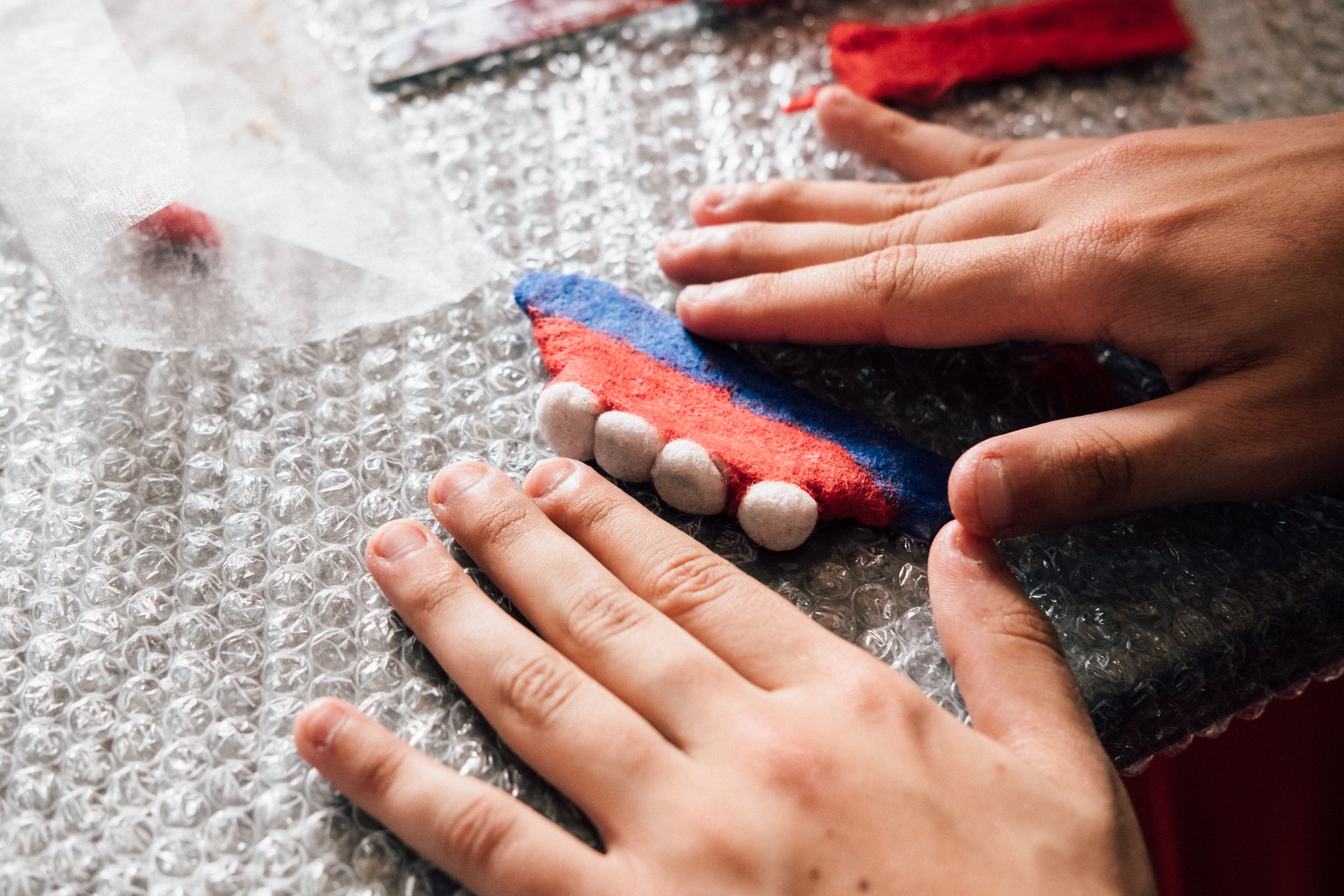
In the second phase, with their projects already underway, the students had the opportunity to gain hands-on experience with the techniques they had previously only observed.
The knowledge and experience gained at this stage led to reflection on each student’s project and, consequently, to significant changes in the concept and design of the work they produced.
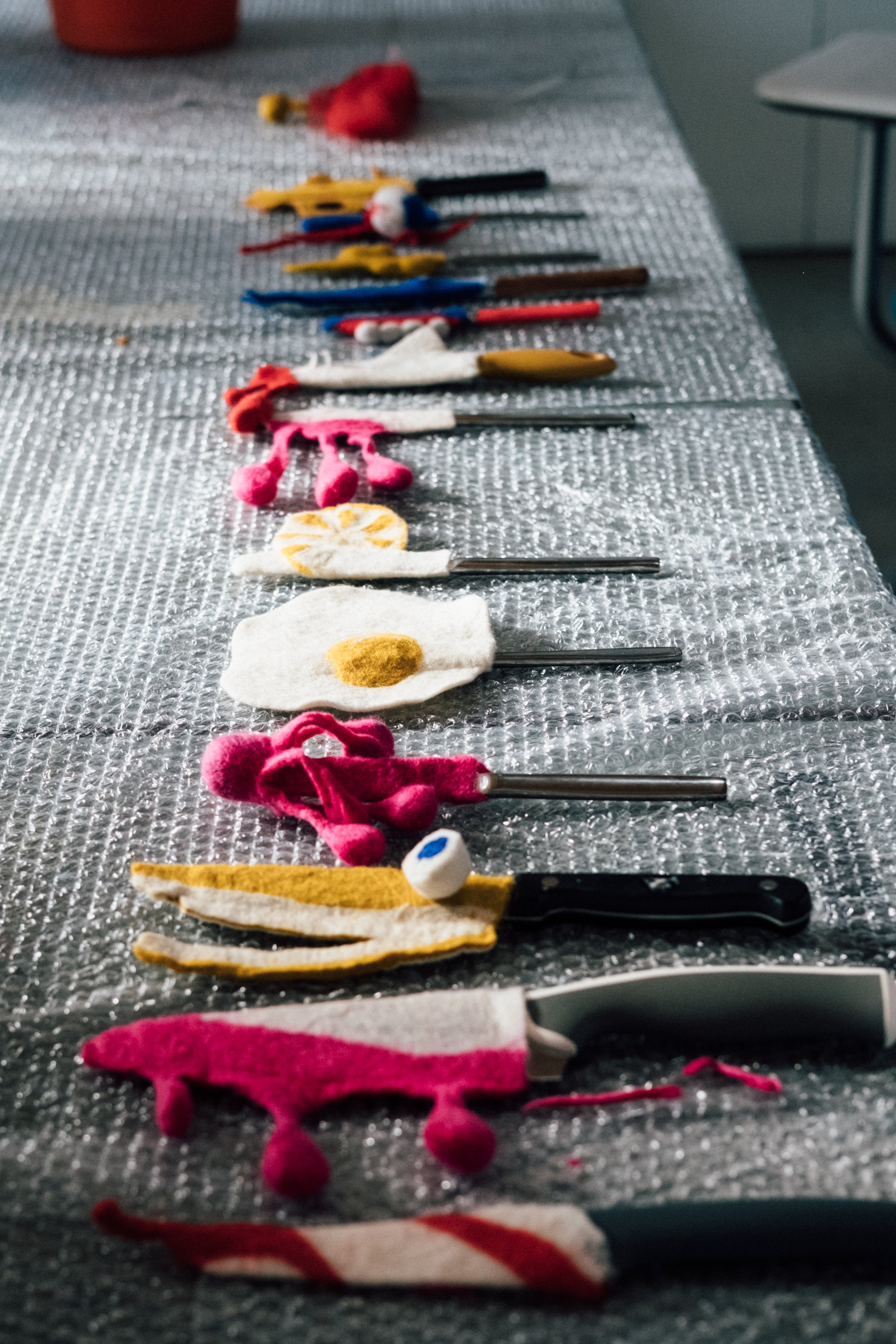
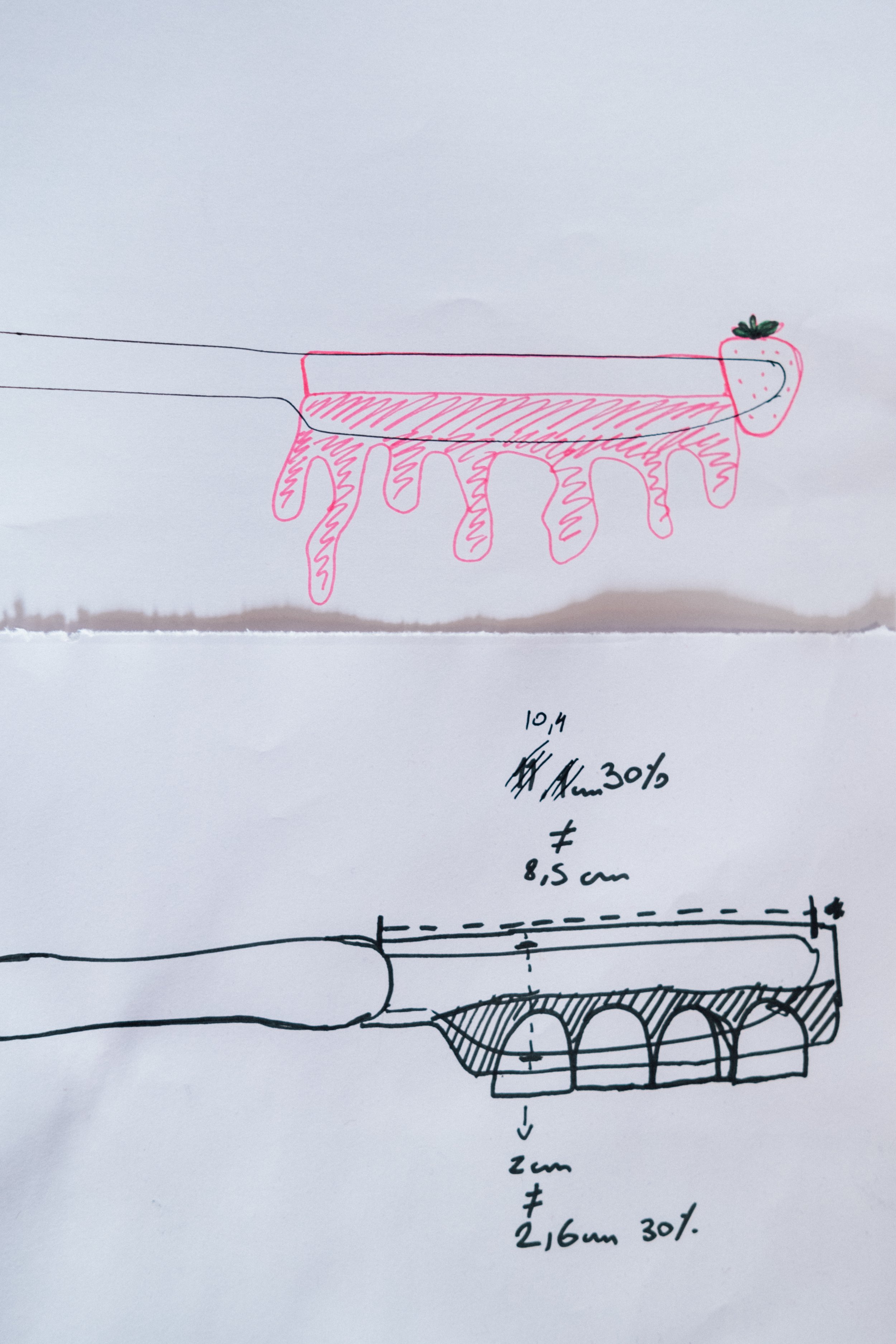
Communicating After Making
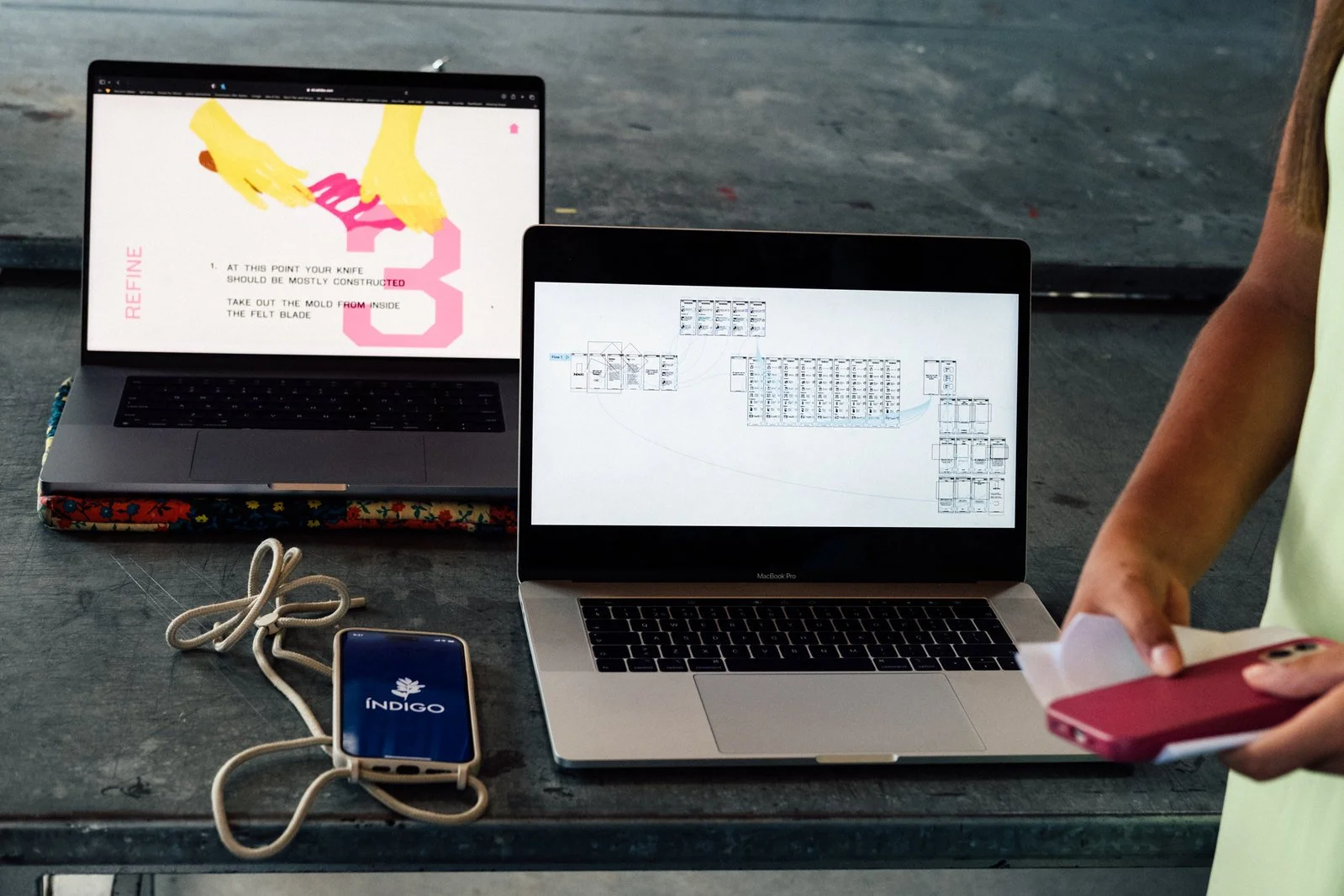
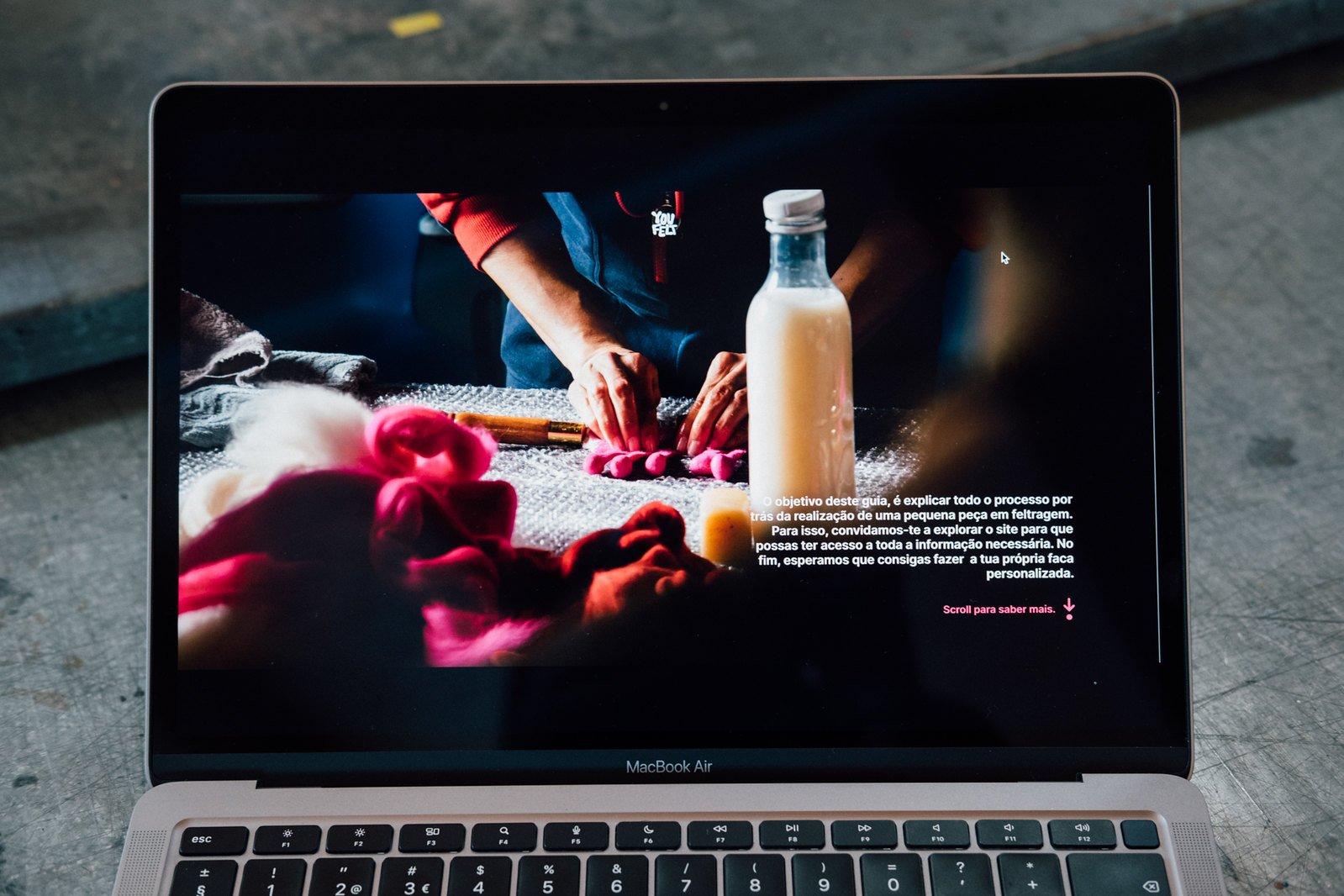
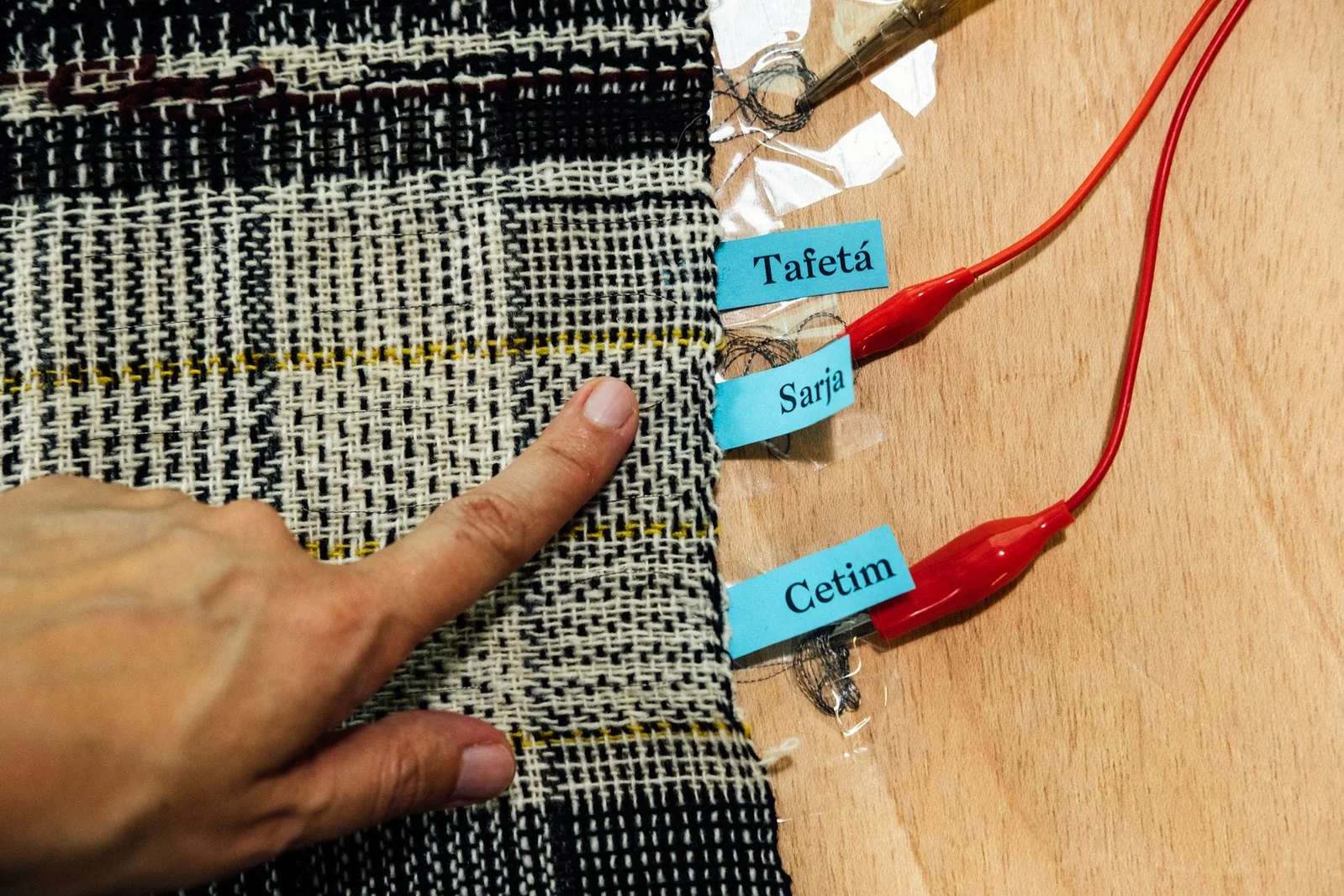
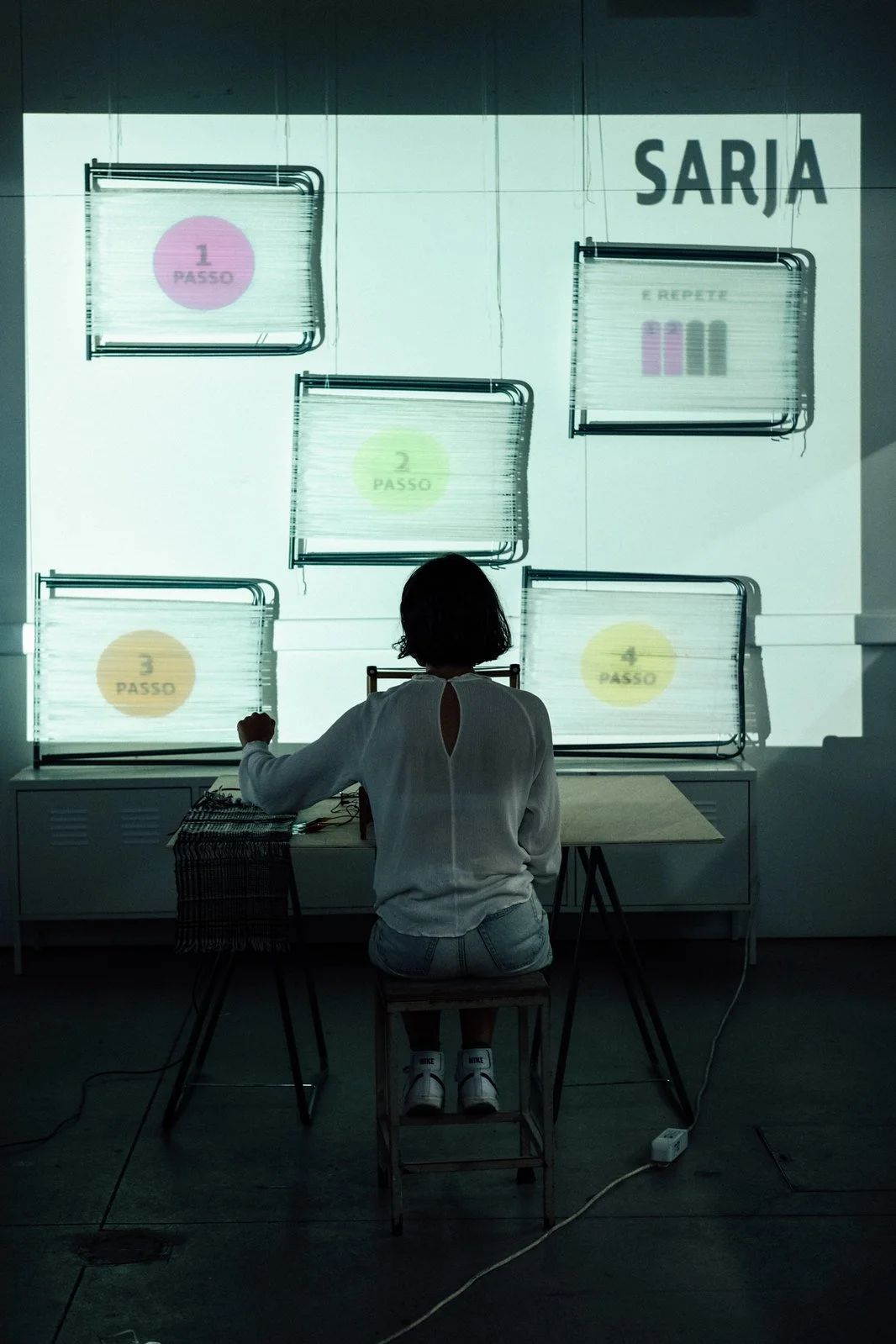
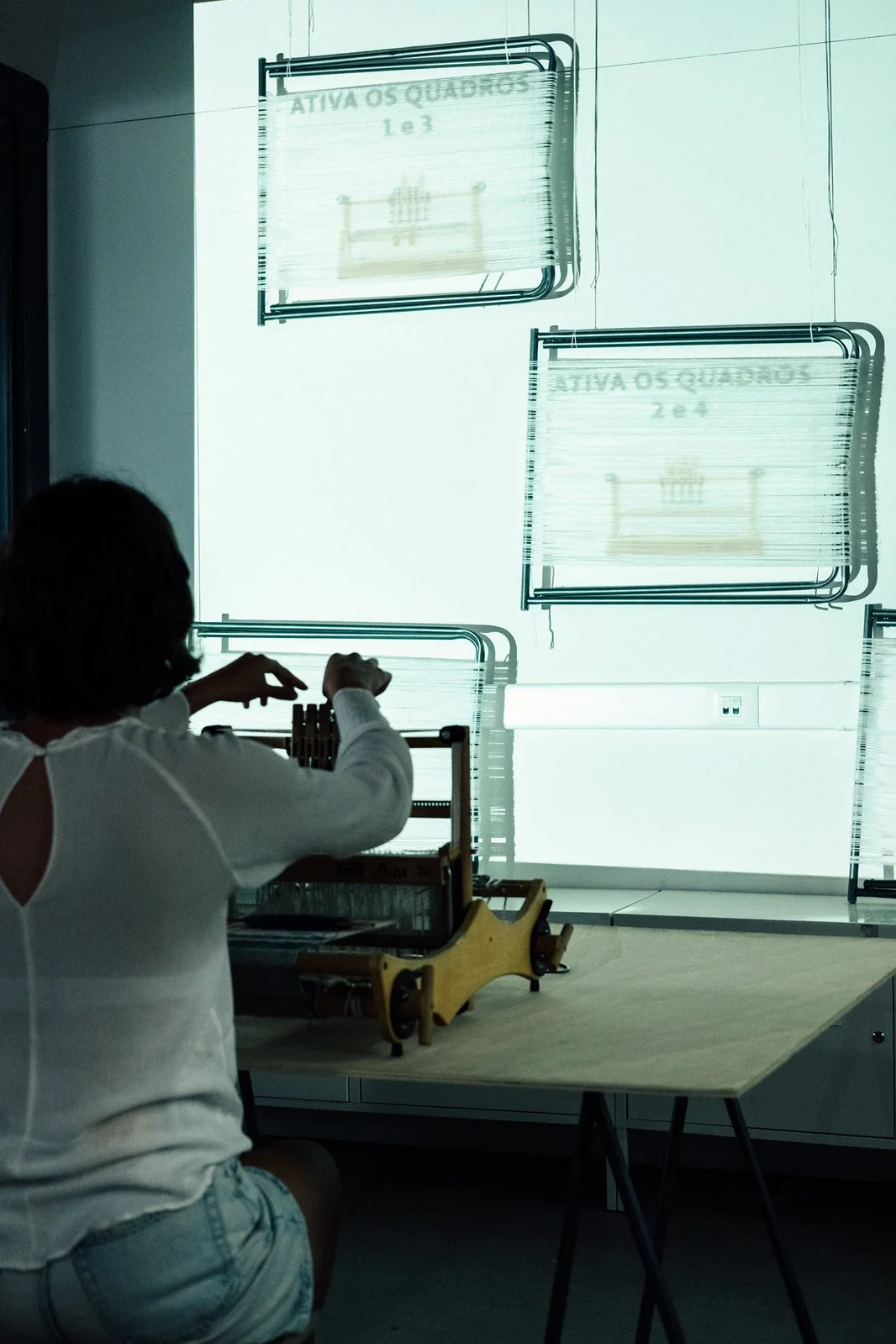
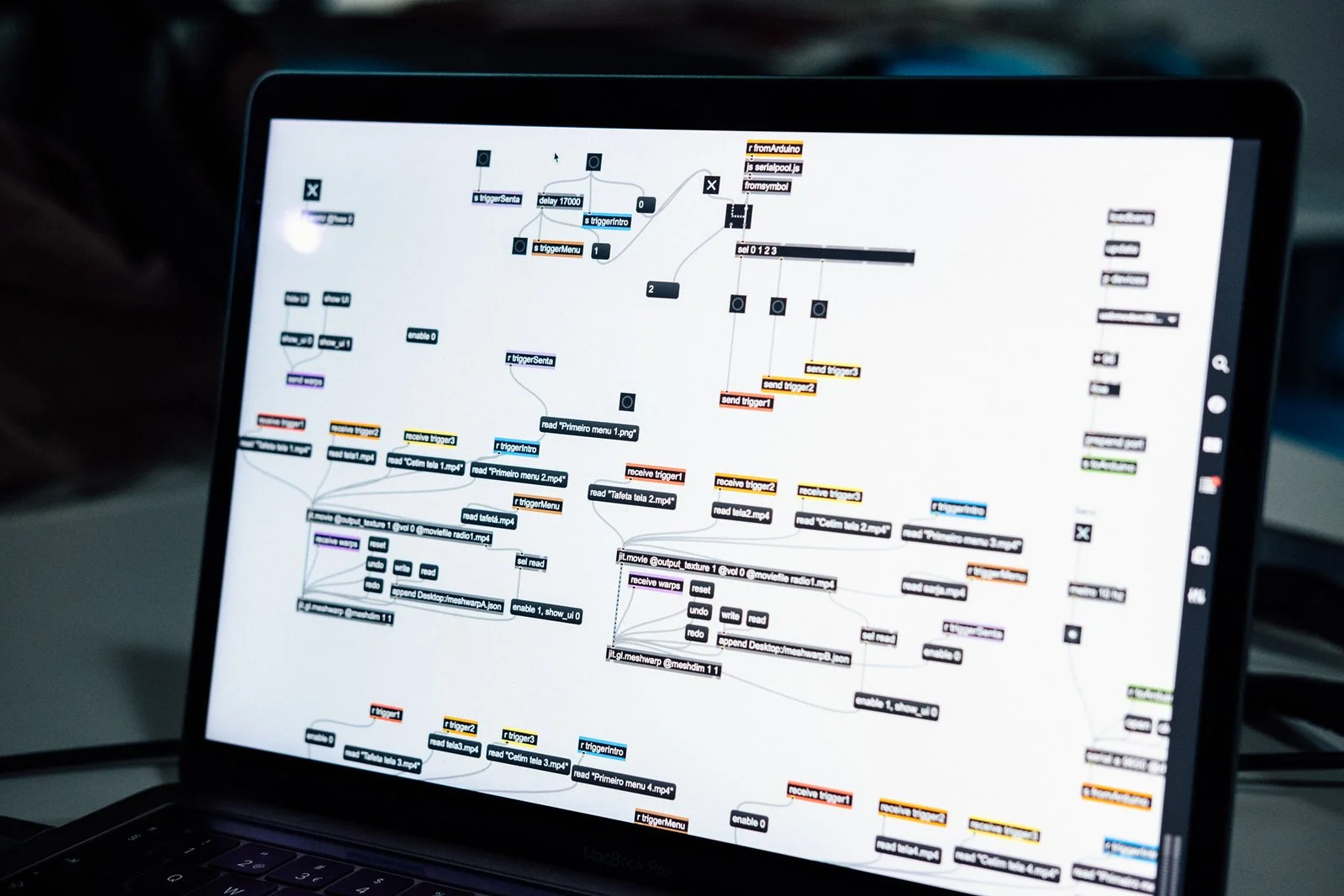
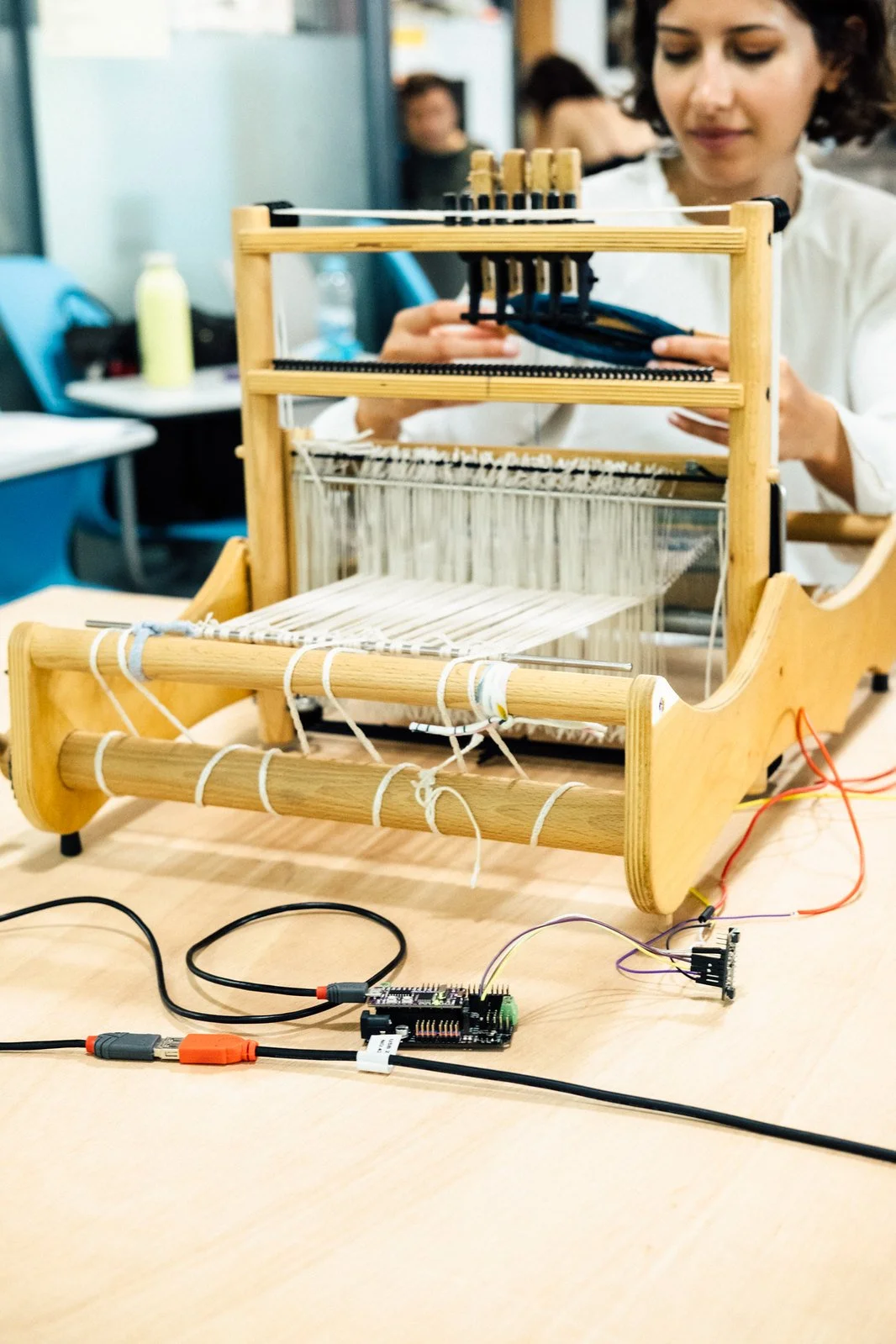
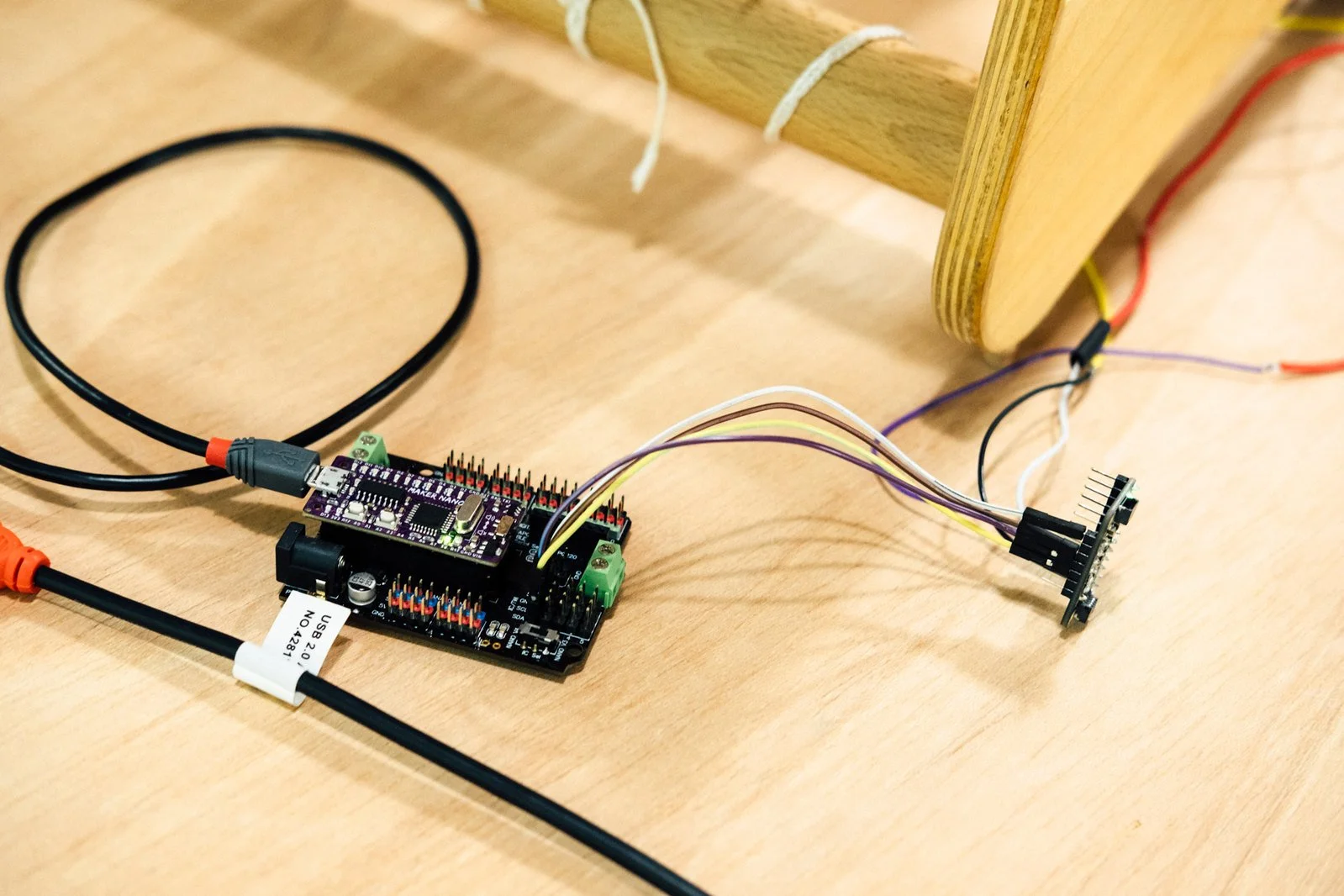
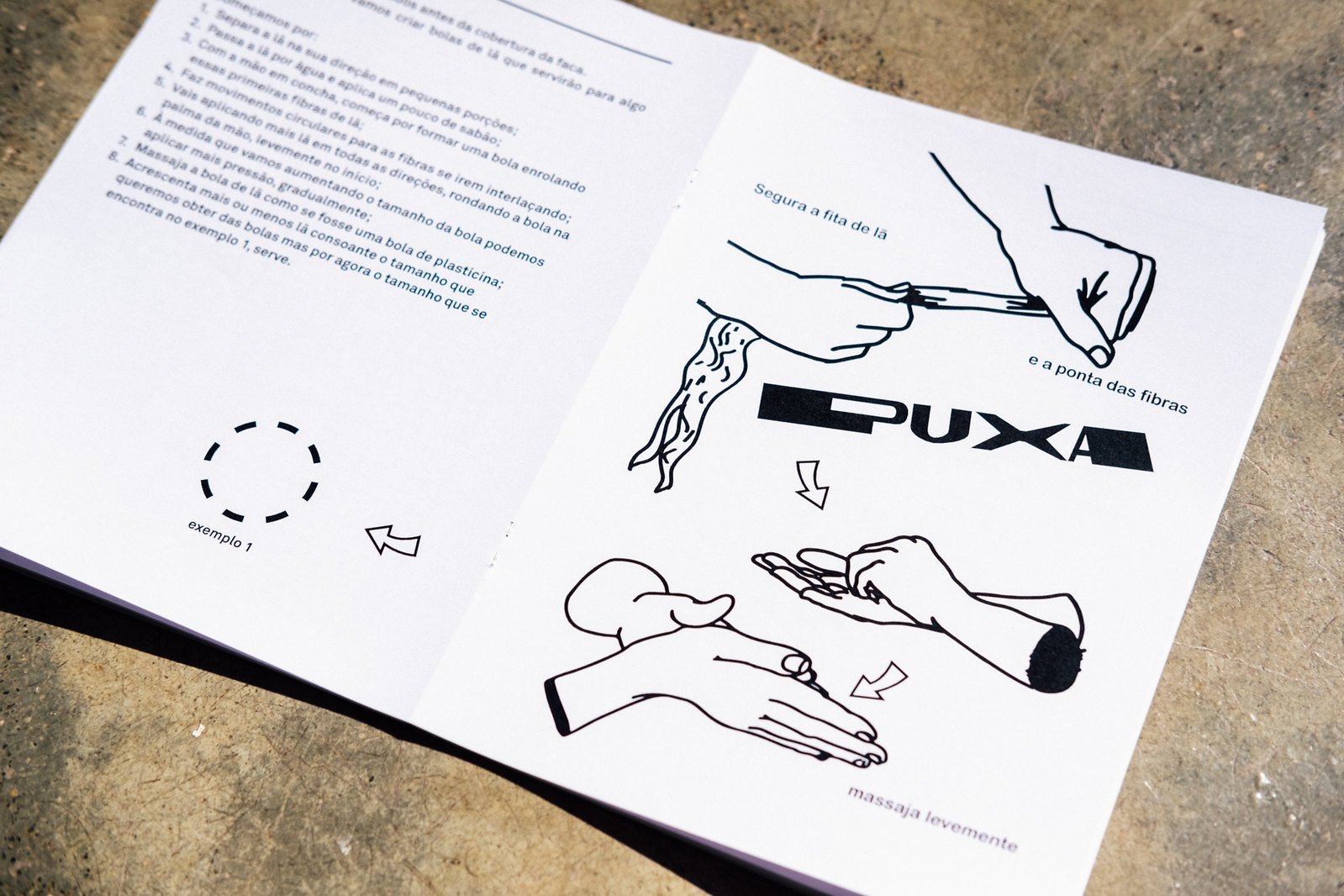
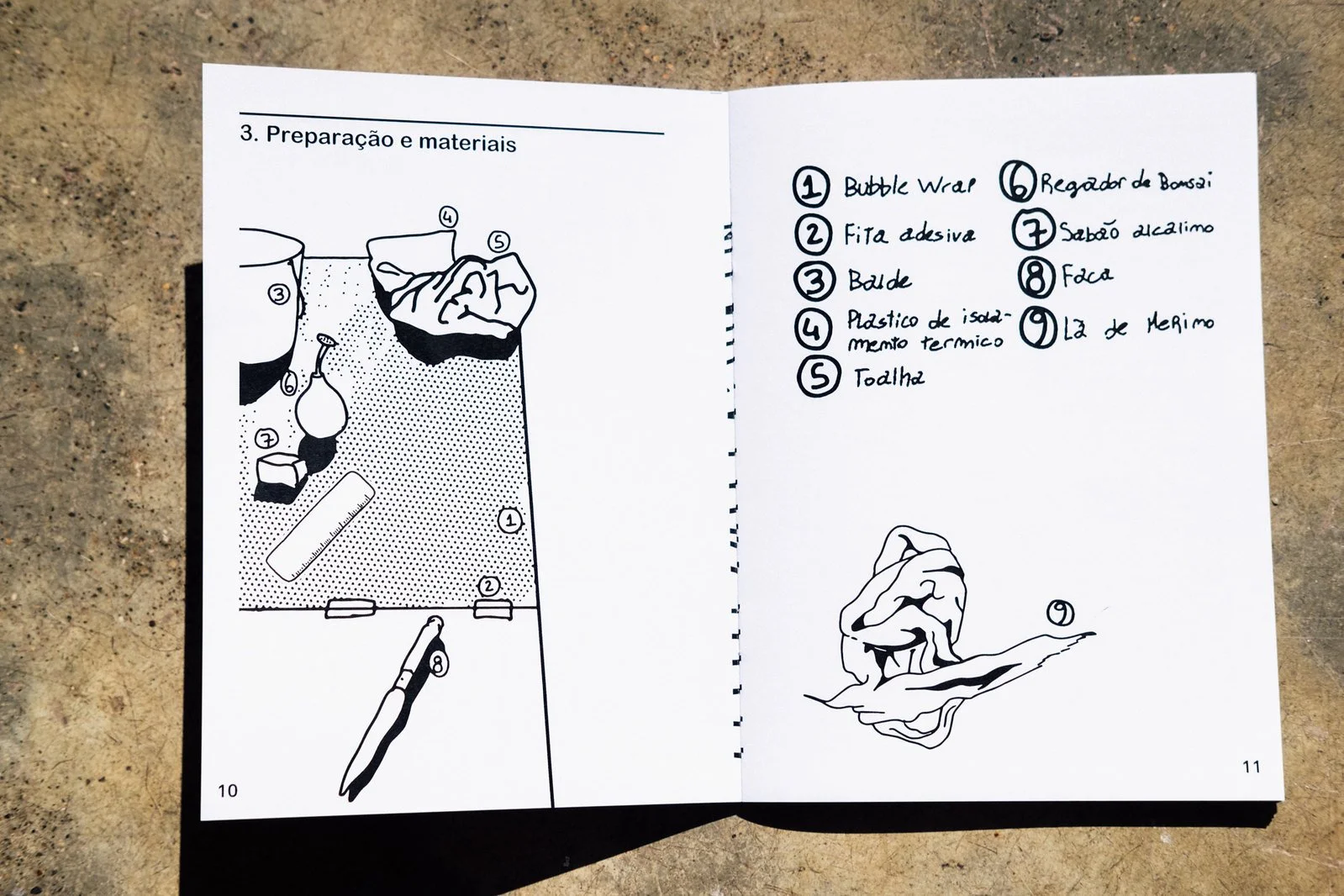
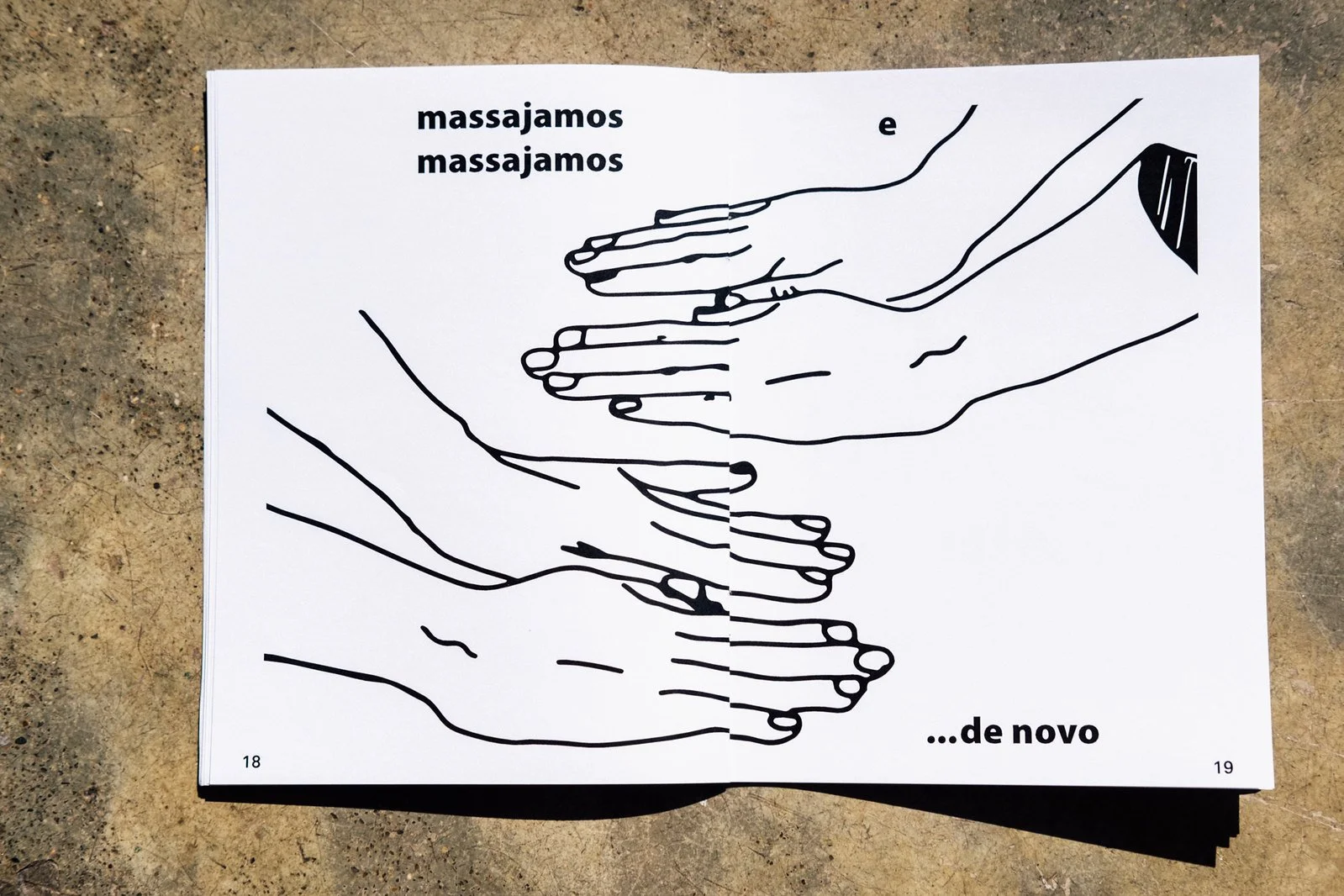
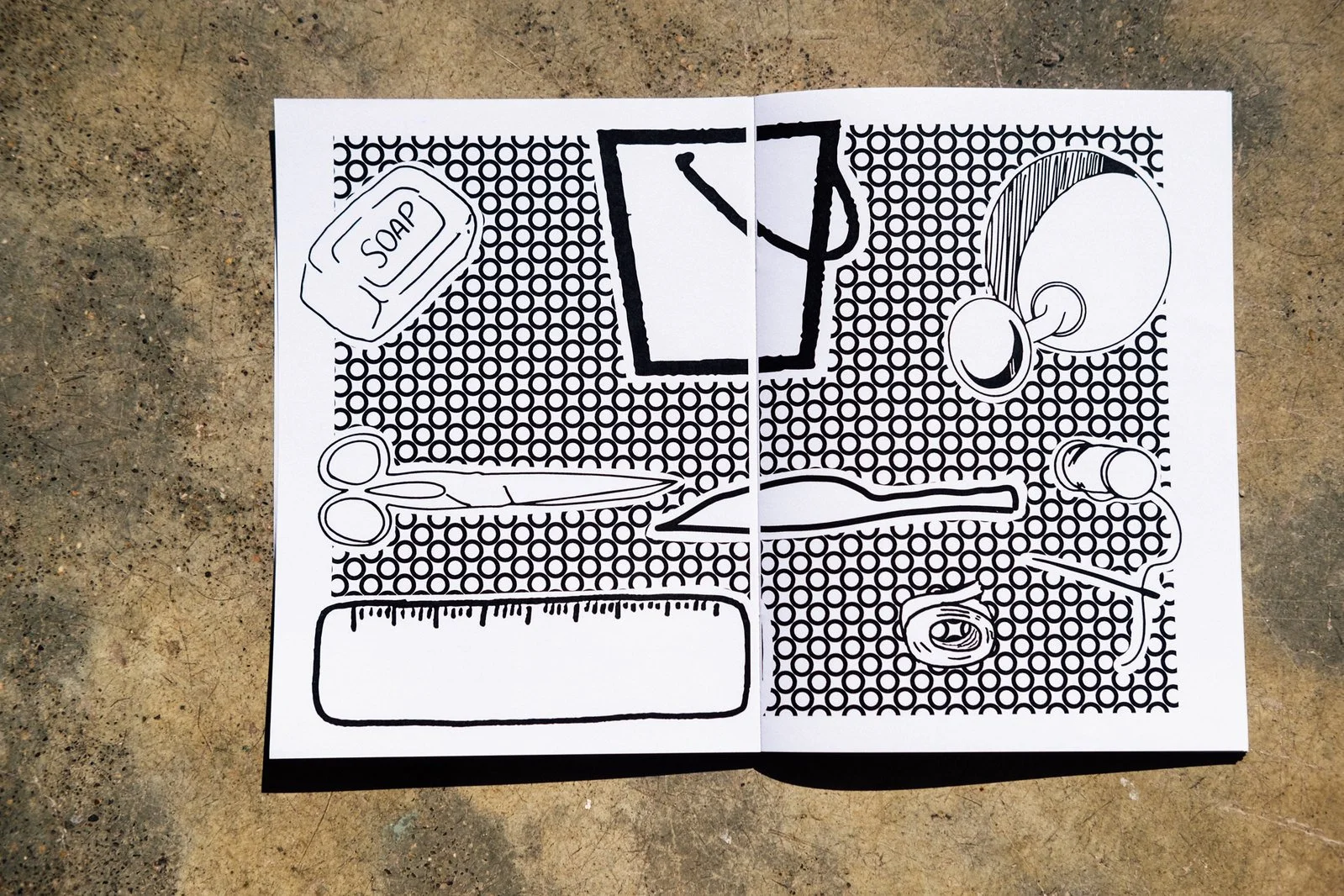
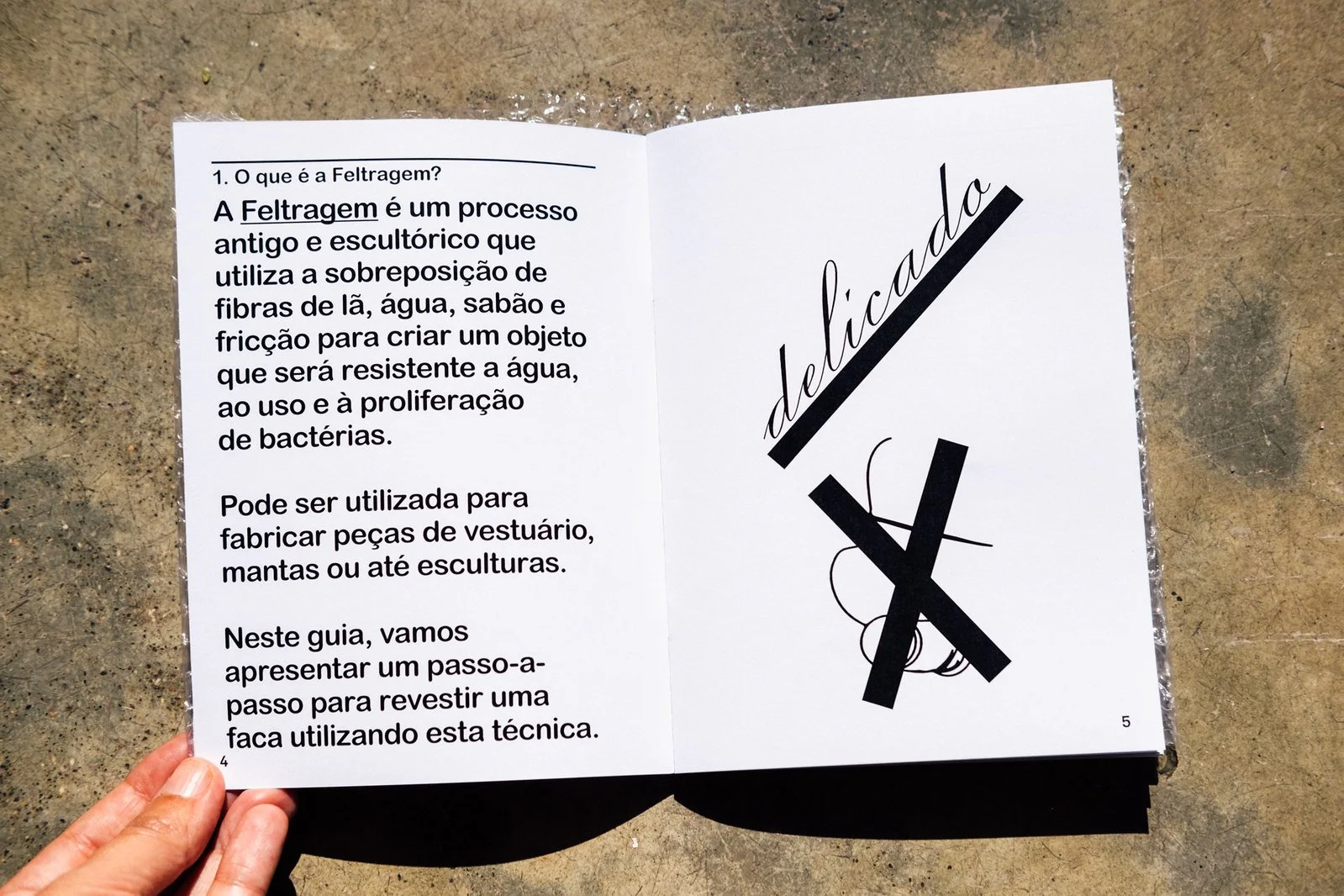
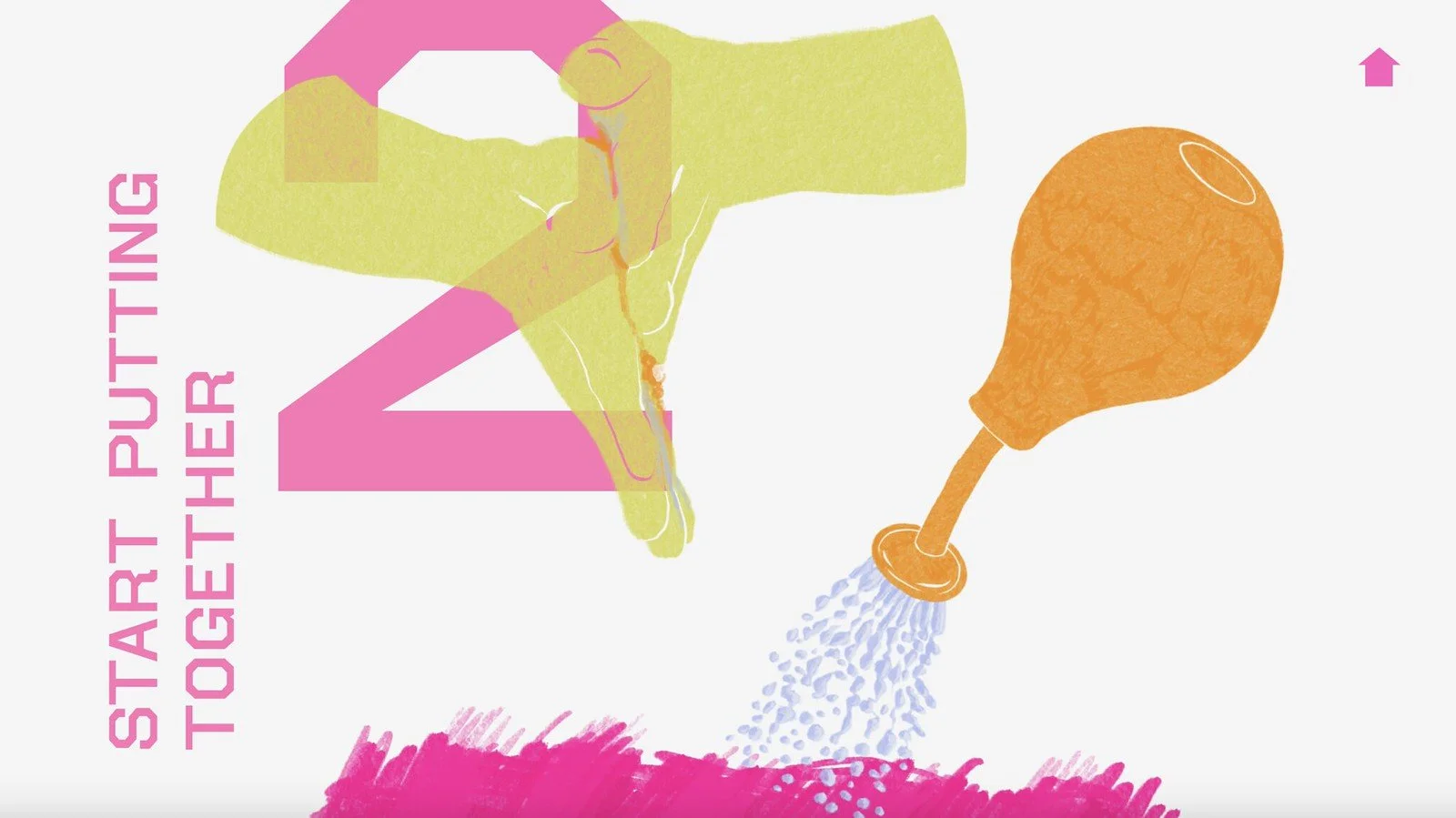
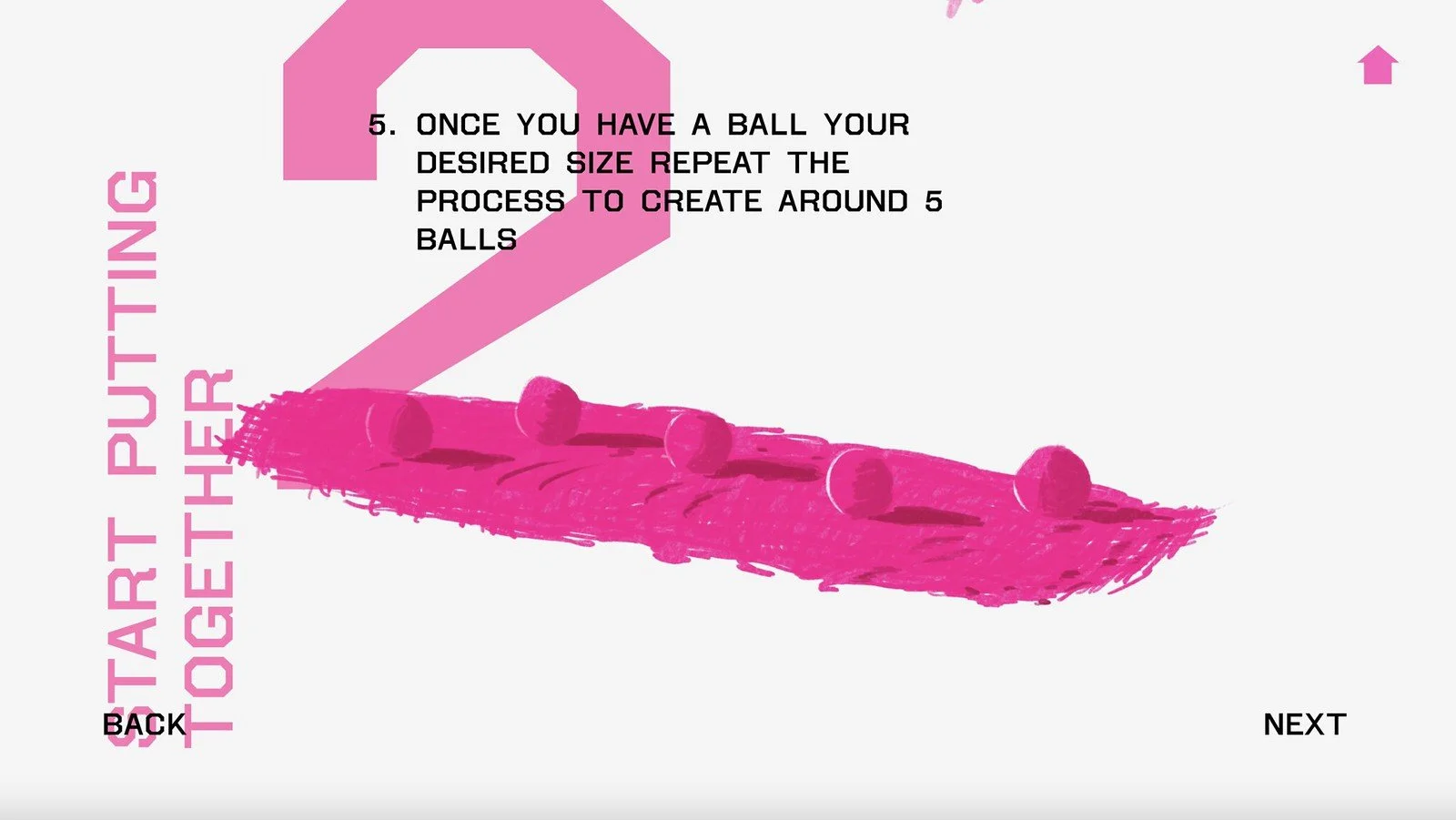
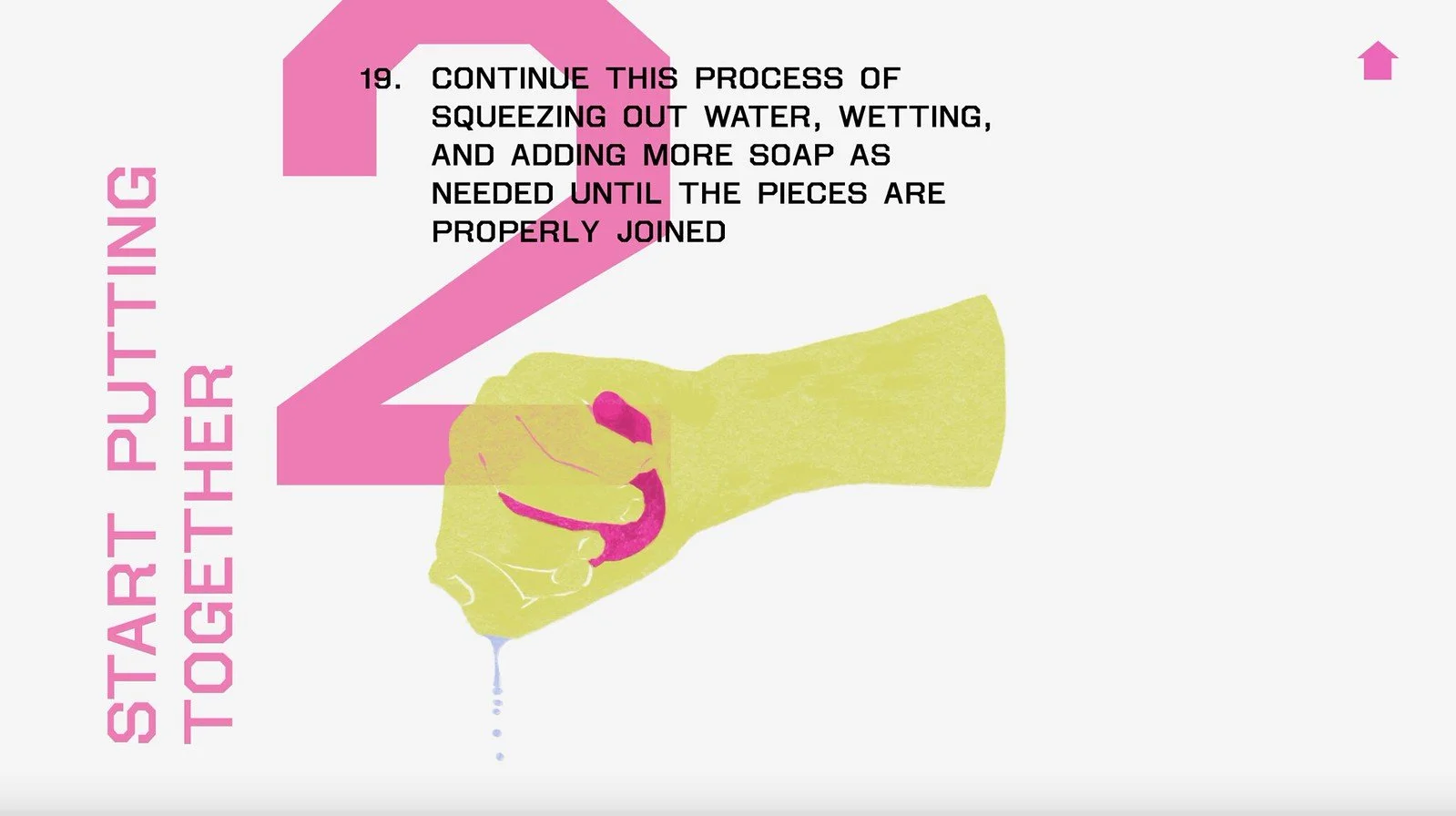
The projects developed ranged from more traditional formats, such as printed manuals, to an installation that teaches weaving, as well as technical training websites.