Capacity Building for the Environmental Education Service of Serralves Foundation
Porto, 2022-2024
Between 2022 and 2024, our work at Serralves was expanded, and we launched a training program for staff members of the Serralves Foundation’s Environmental Education Service, with the aim of enabling them to independently develop new activities for different audiences, making use of the resources available on the estate and in the park.
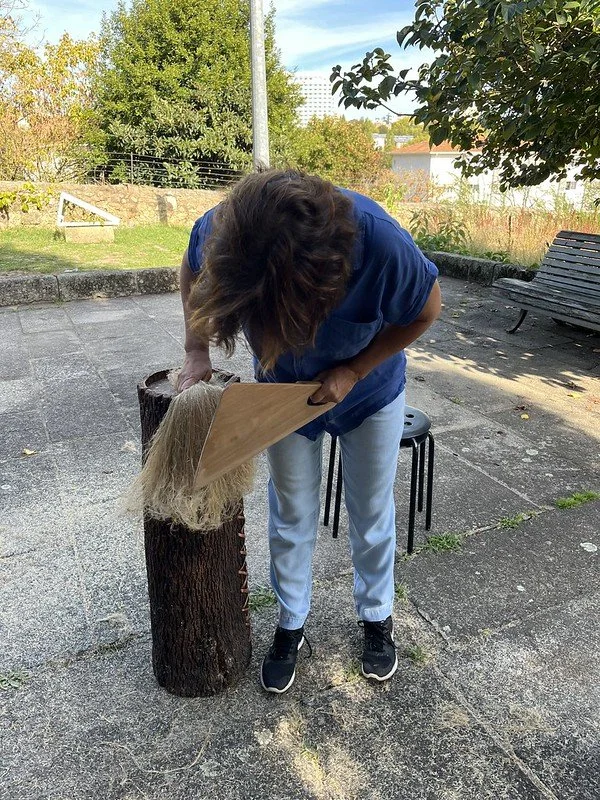
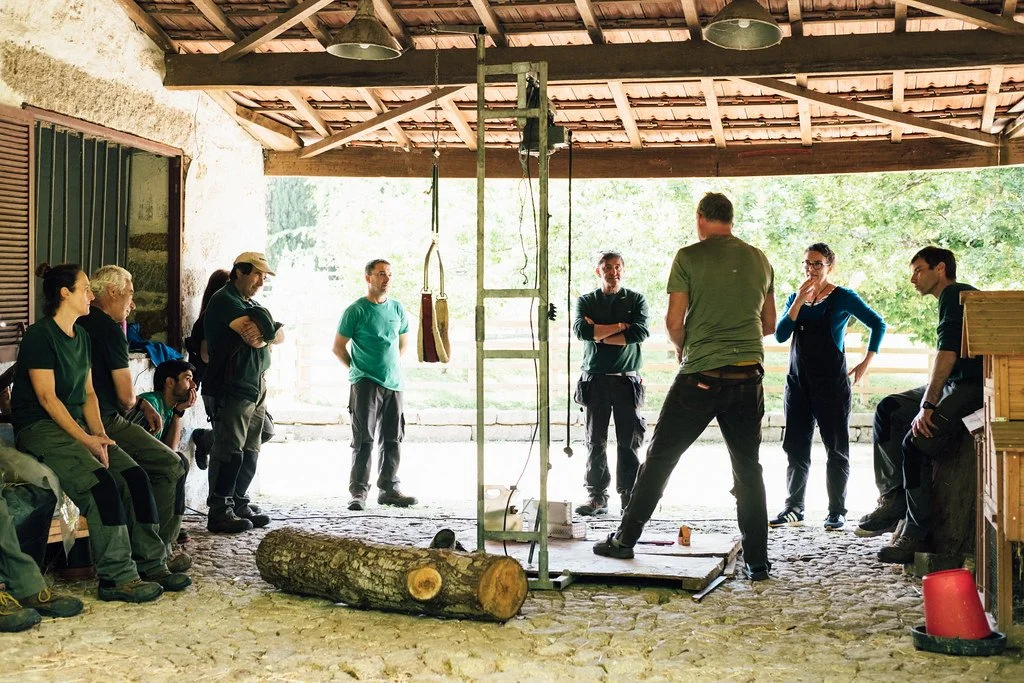
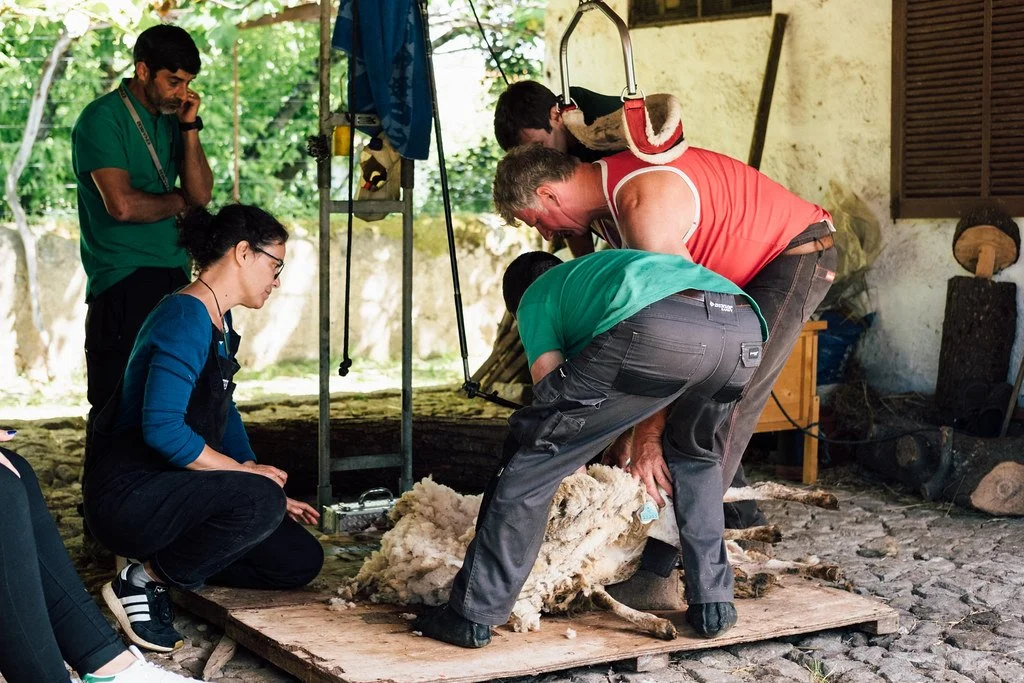
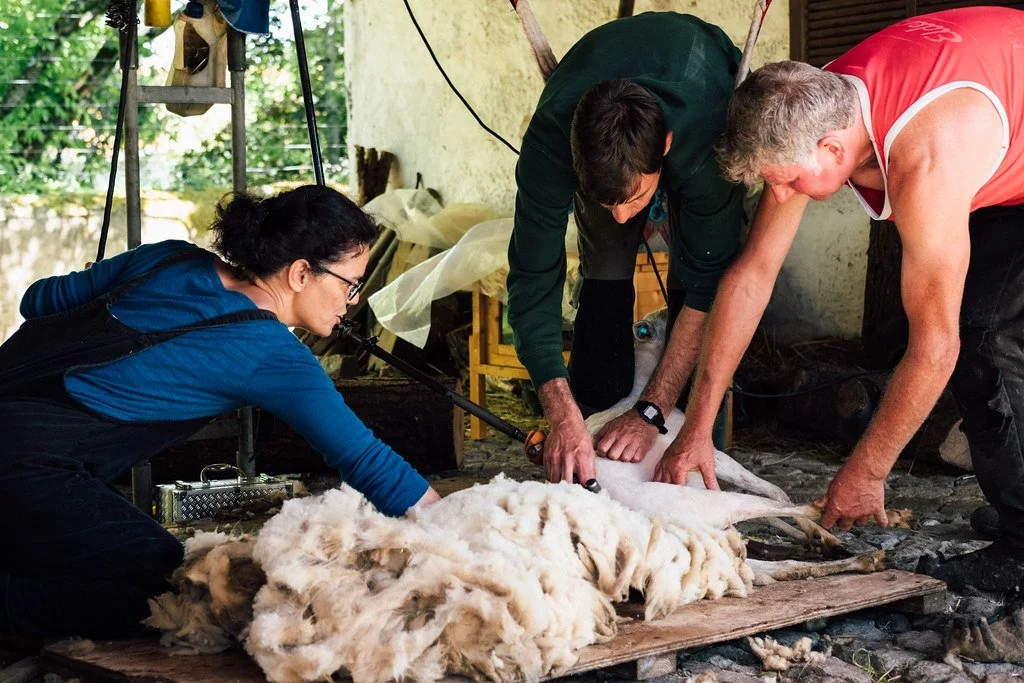
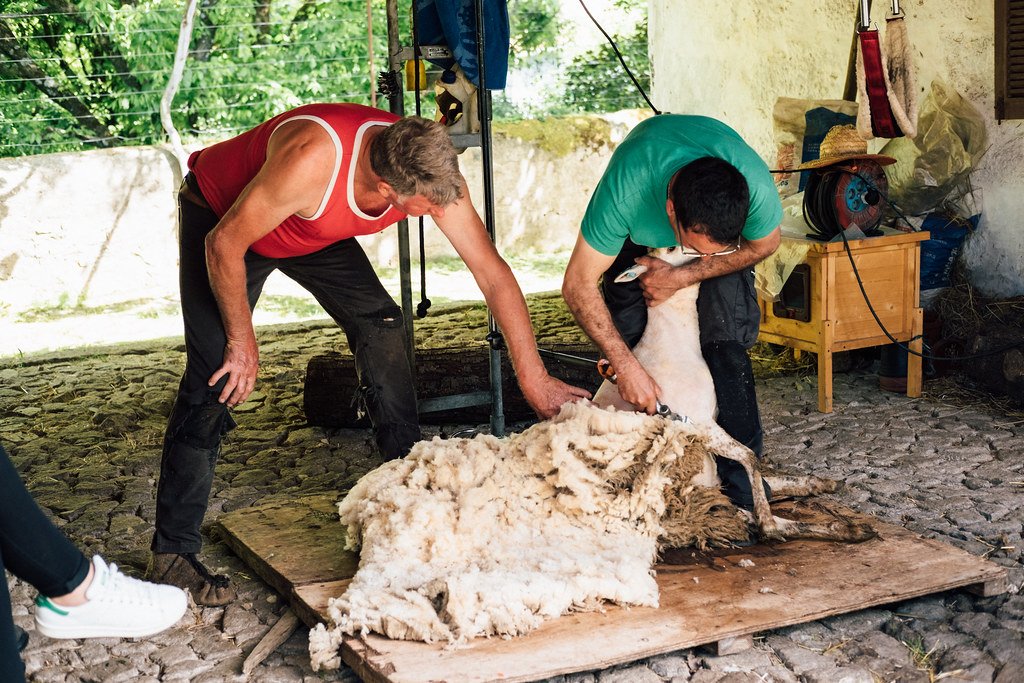
Using the Serralves flock, training sessions were organized on wool processing and shearing, with the latter specifically aimed at the technical staff of the Serralves Park and Farm. Additionally, having identified the need and potential for creating new activities, we also trained members of the Educational Service in the areas of Weaving and Linen Textile Production through a long-term training program.
Following this project, Serralves began incorporating activities related to the production of natural textile fibers into its annual educational programs for schools and the general public.
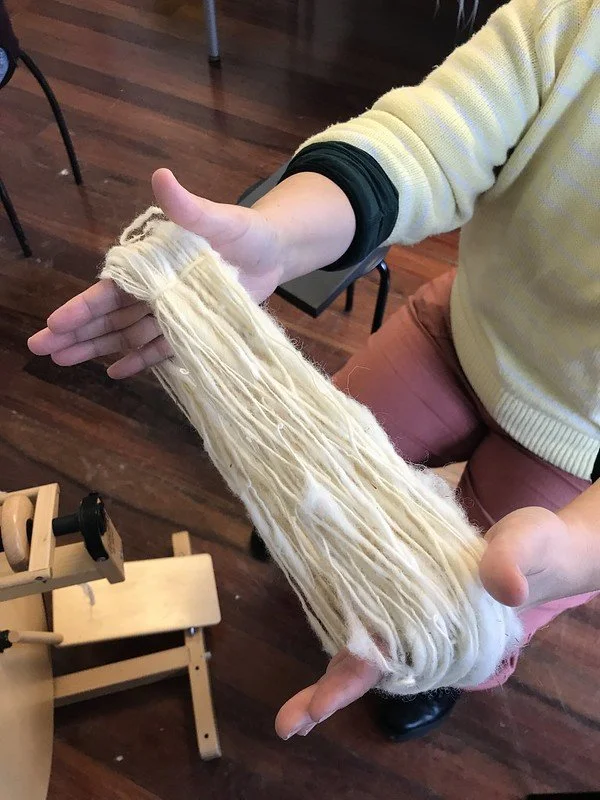
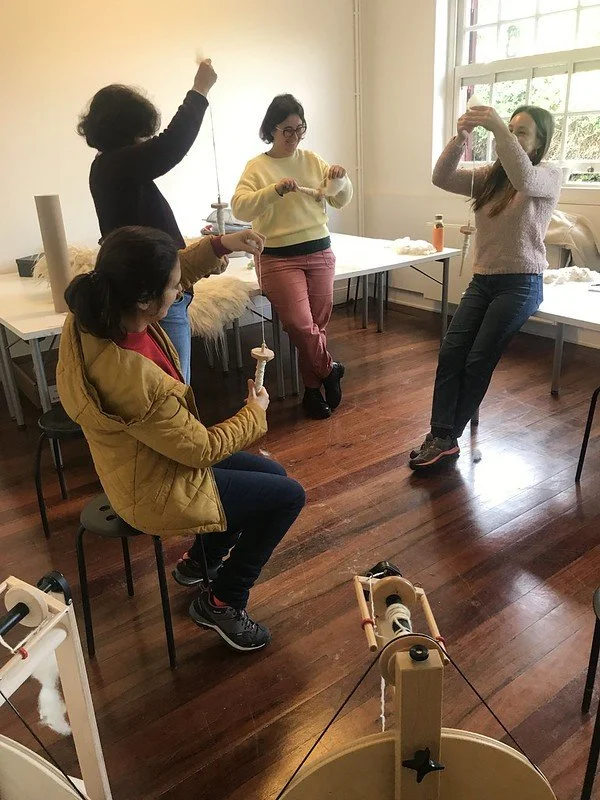
“Wool—From Sheep to Yarn” Course
The goal of this training was to equip the staff of the Serralves Foundation’s Environmental Education Service with the skills needed to cover the entire process, from sheep to yarn, enabling them to organize activities on this topic for all types of audiences.
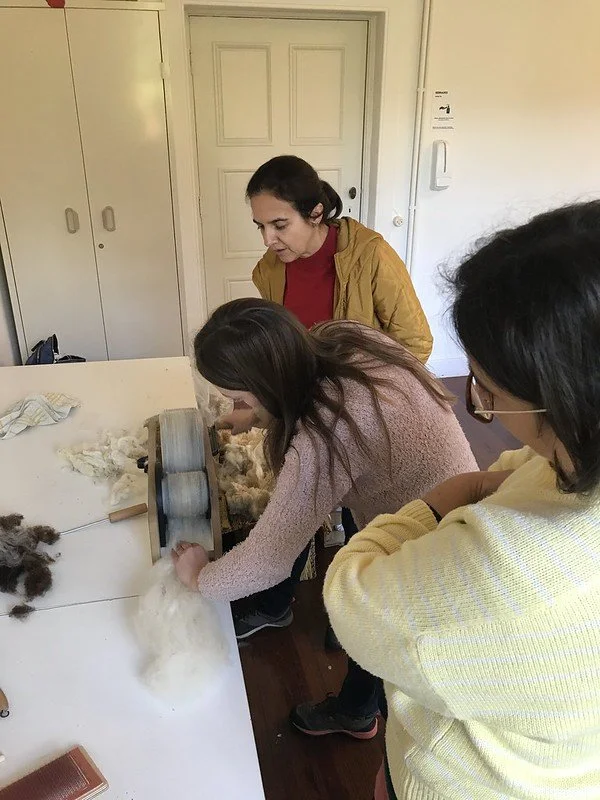
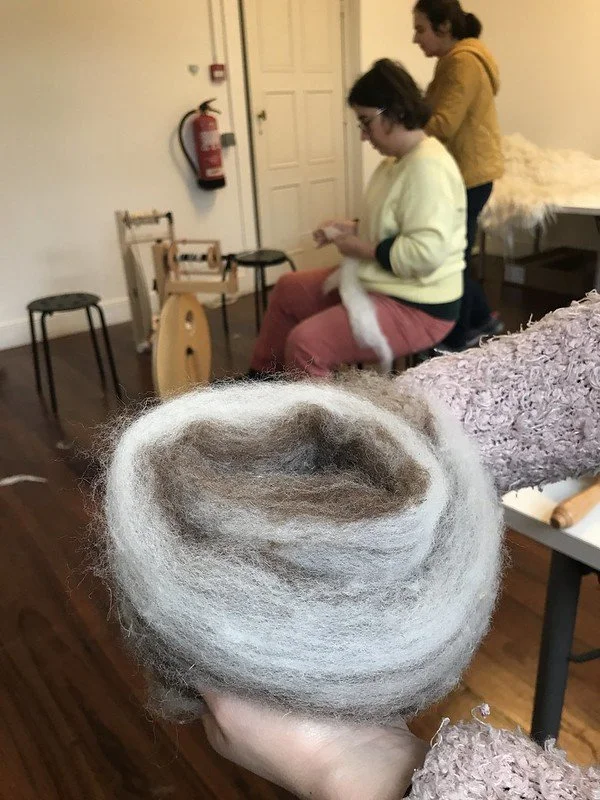
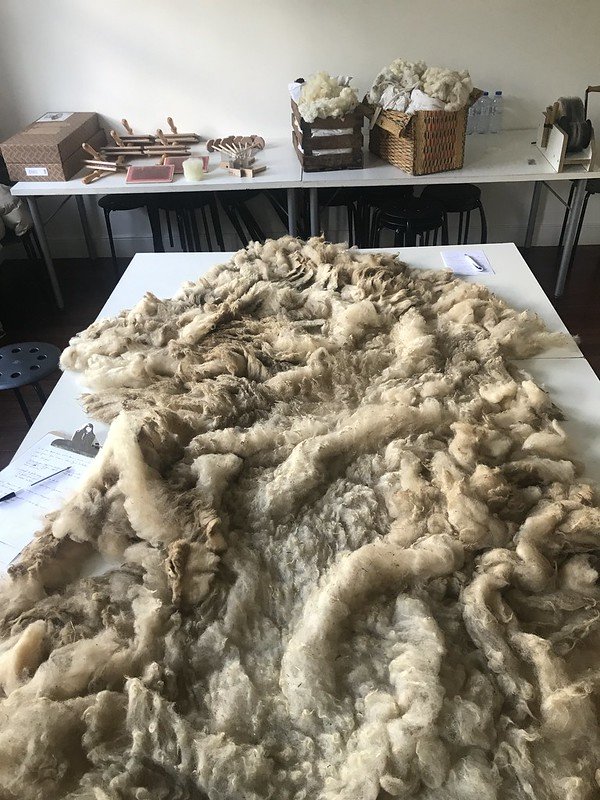
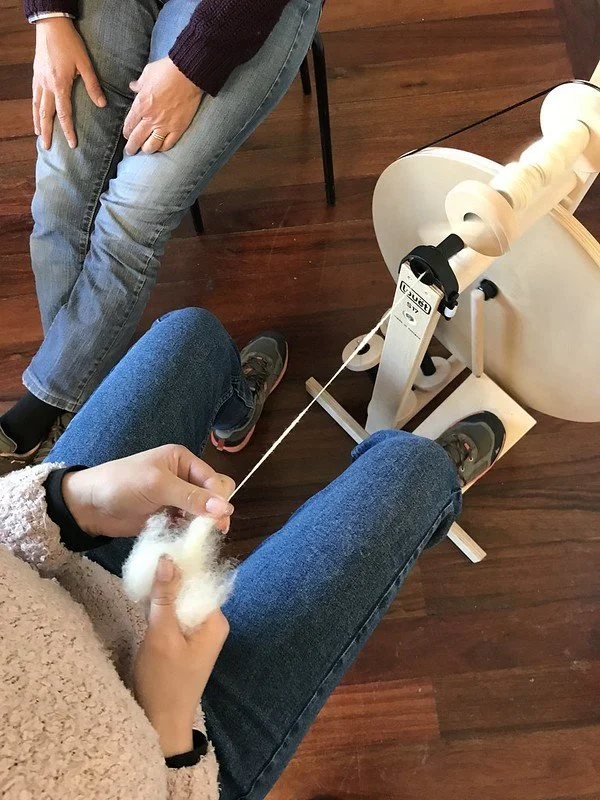
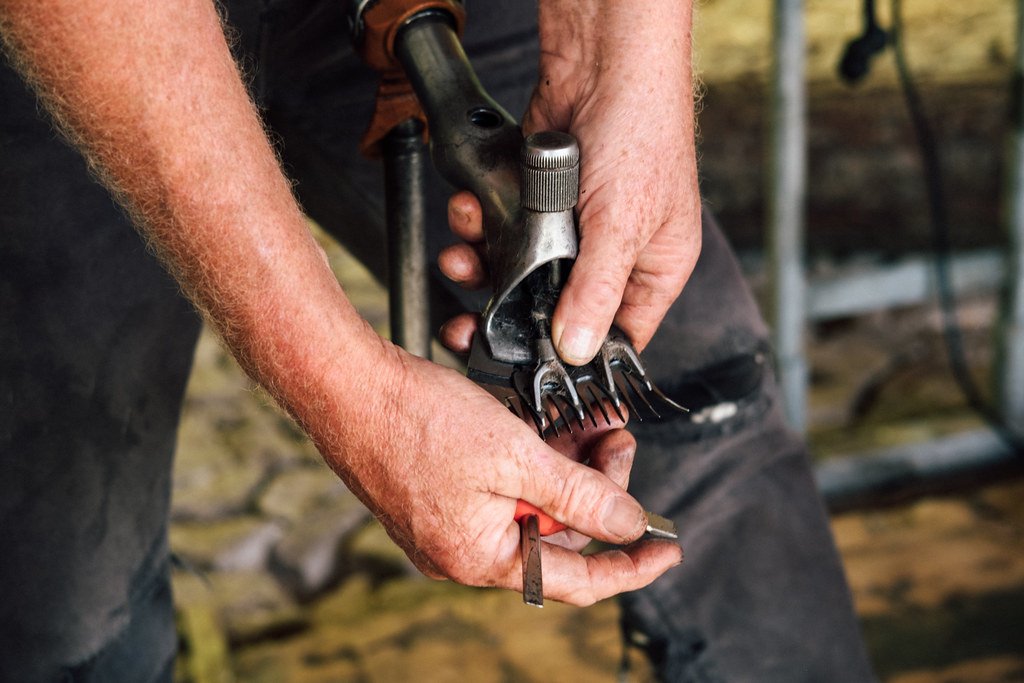
“Principles of Sheep Shearing” Course
The goal of this training was to equip the staff at the Serralves Foundation’s park and farm with the skills needed to independently carry out the mandatory annual shearing, thereby providing the raw materials necessary for the Educational Department to carry out its activities.

Weaving Course
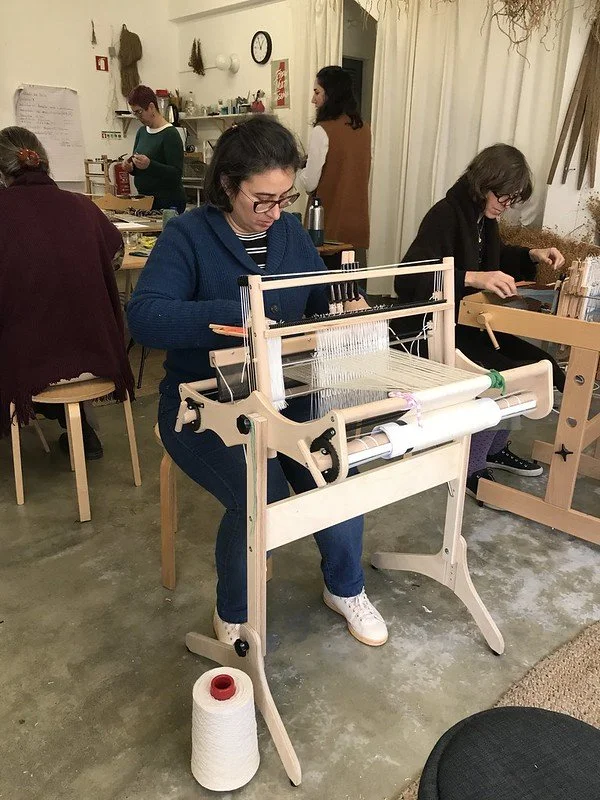
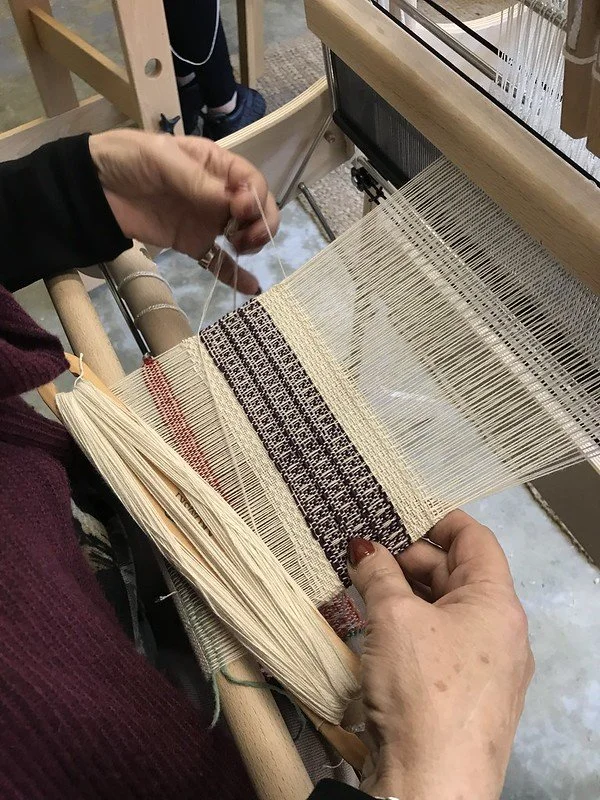
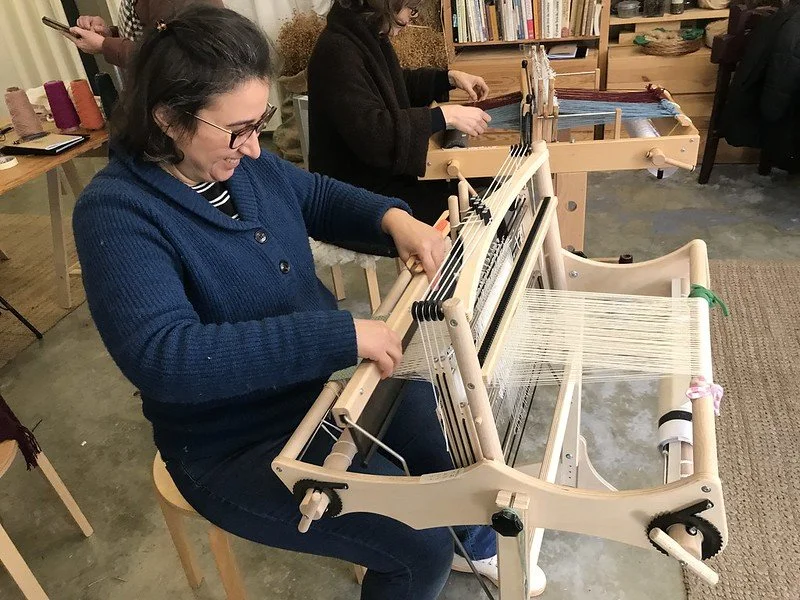
The goal of this training was to provide members of the Serralves Foundation’s Environmental Education Service team with skills in weaving to complement their training in woolcraft, thereby enabling them to develop activities for schools and families.
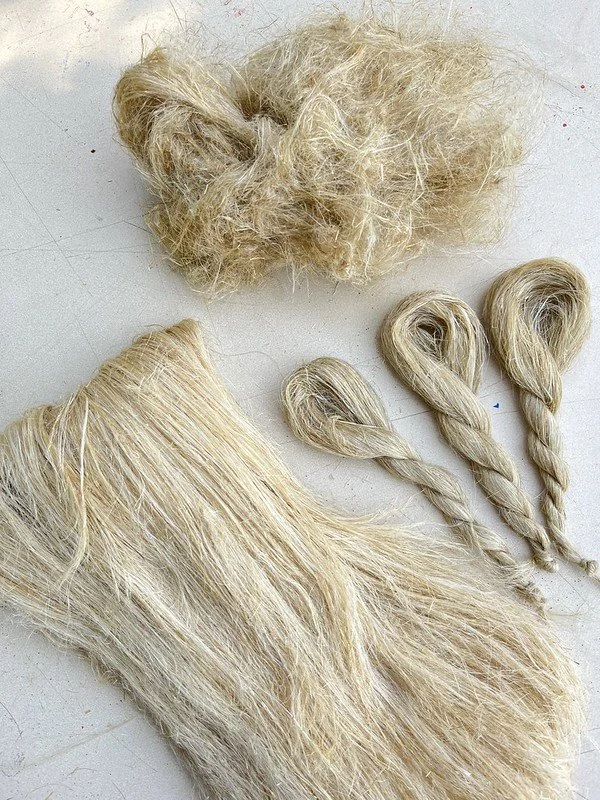
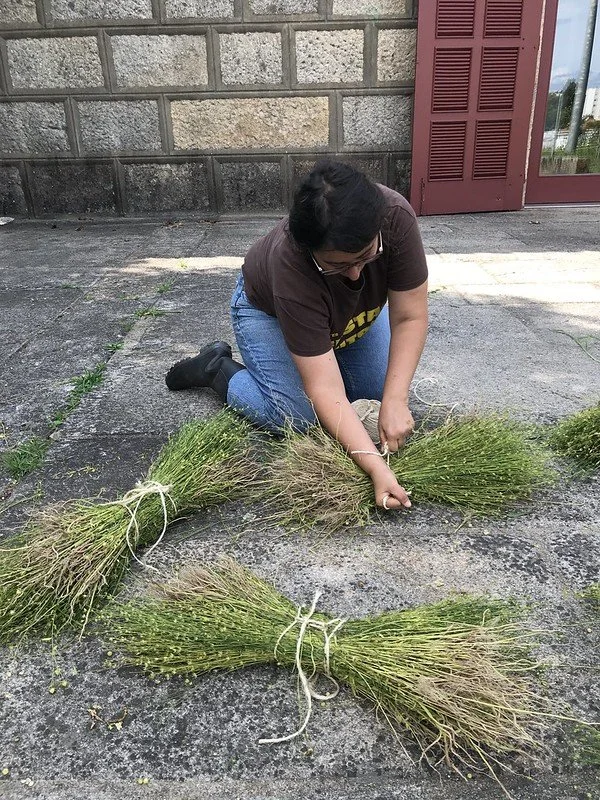
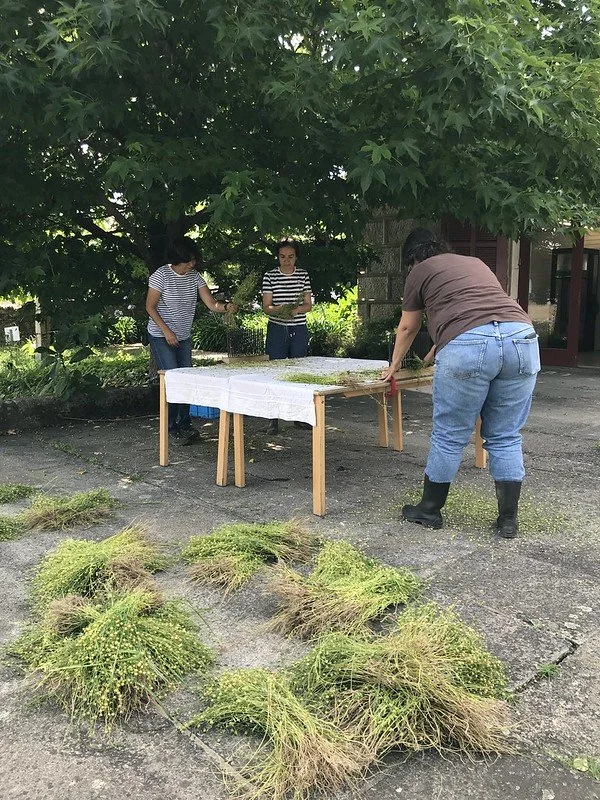
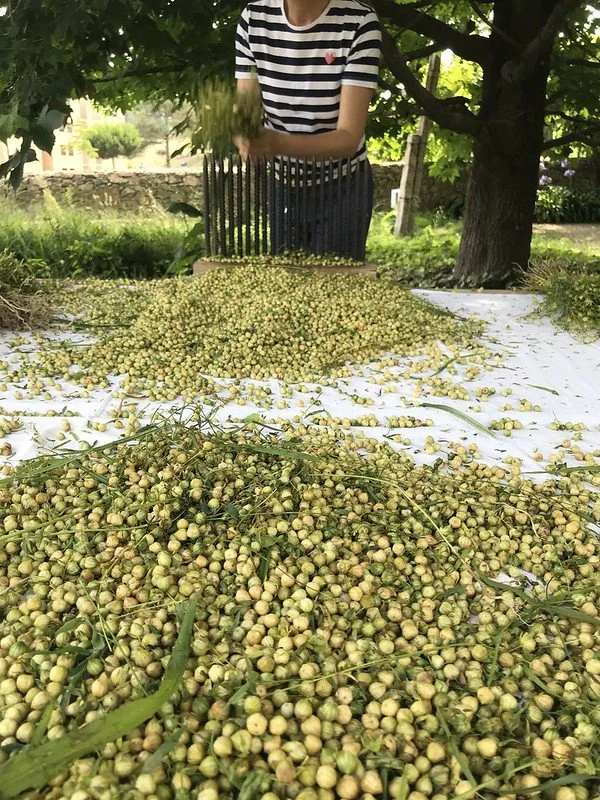
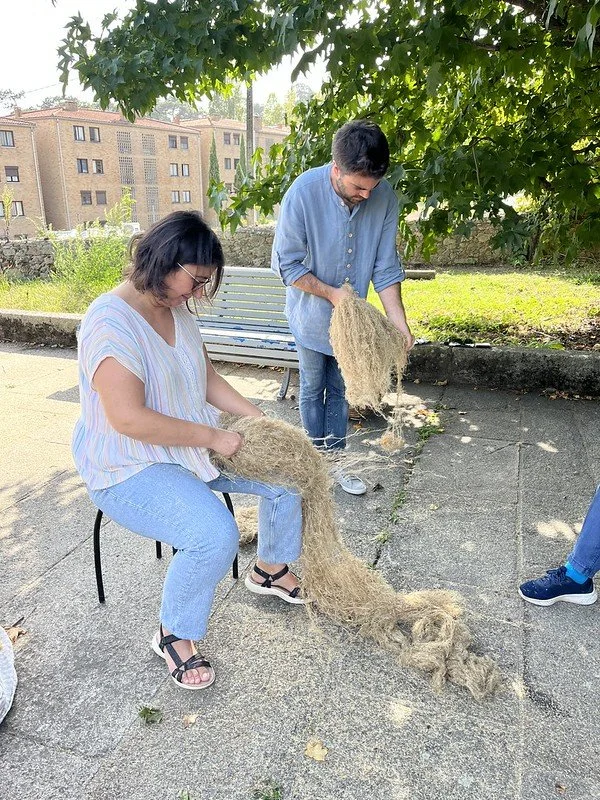
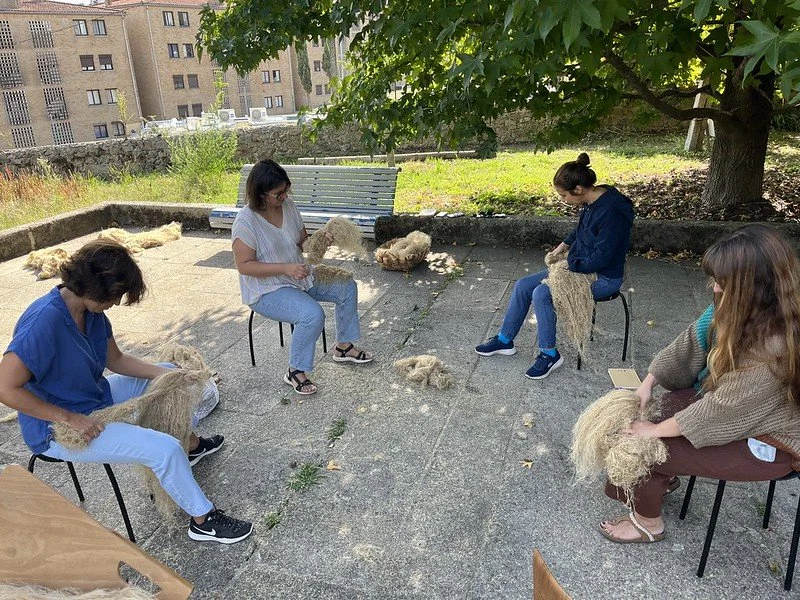
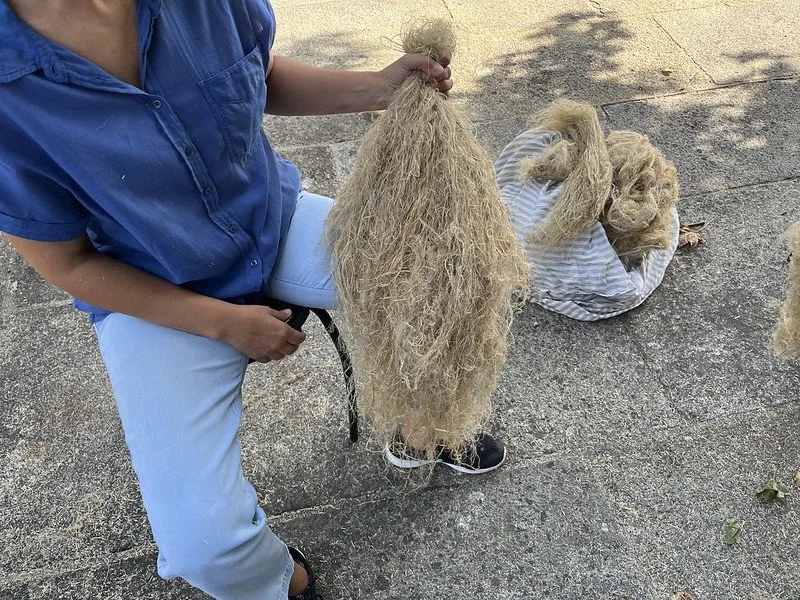
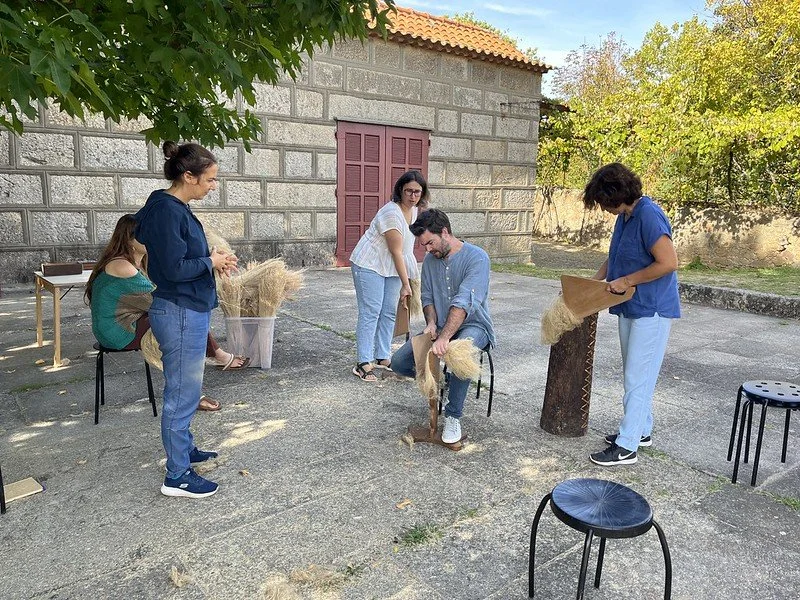
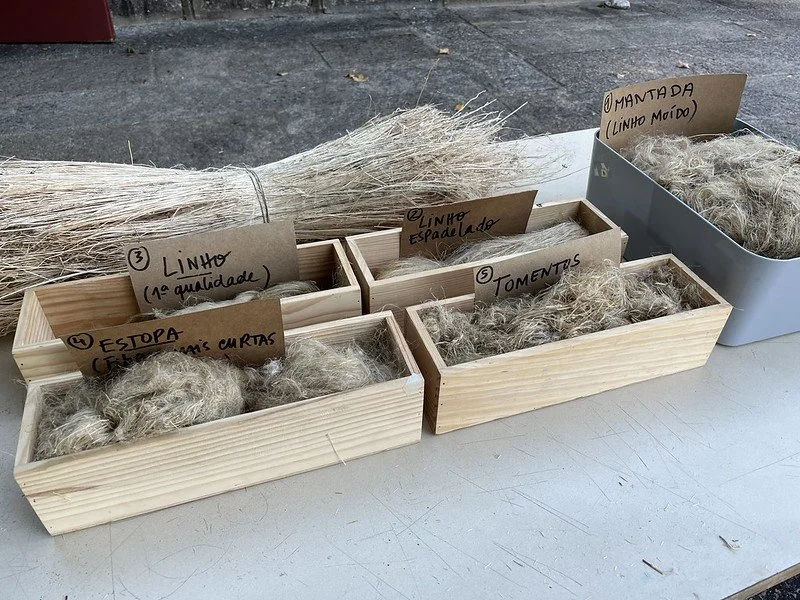
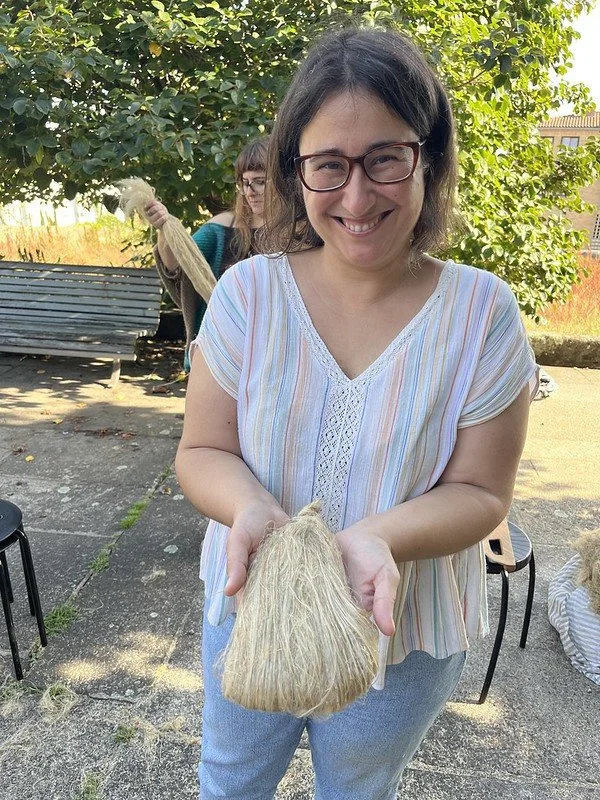
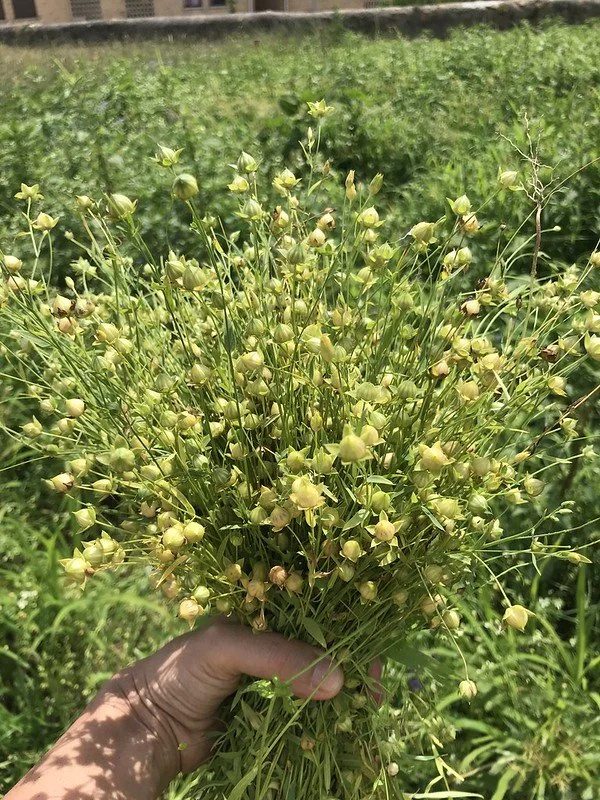
“Textile Linen Production” Course
The goal of this training was to equip the staff of the Serralves Foundation’s Environmental Education Service with the skills to produce flax for textile use, utilizing the regional variety known as Galician flax, thereby enabling the development of activities centered on this theme for all types of audiences.