CommunityCloth - Erasmus+ Project
2024-2025
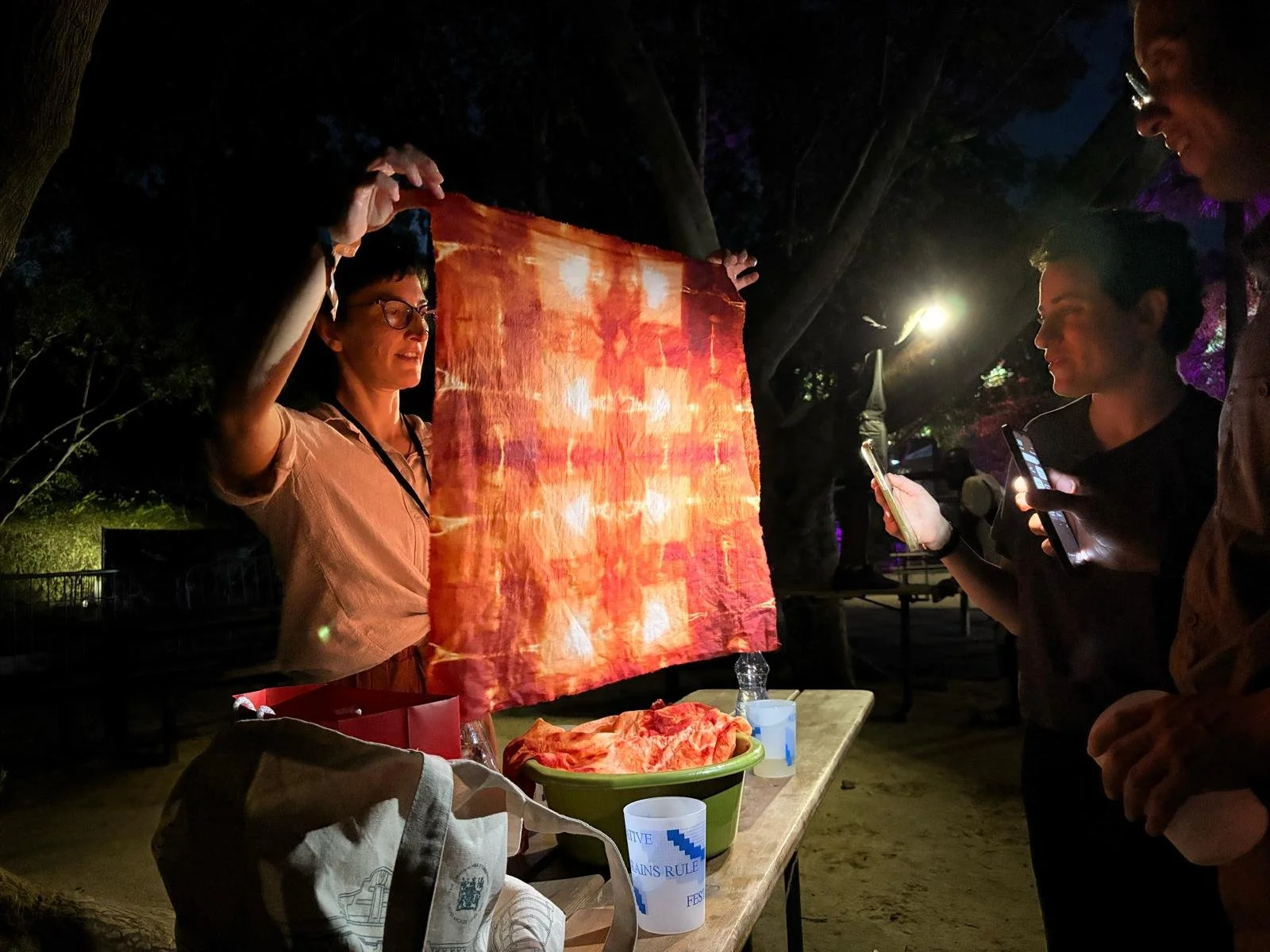
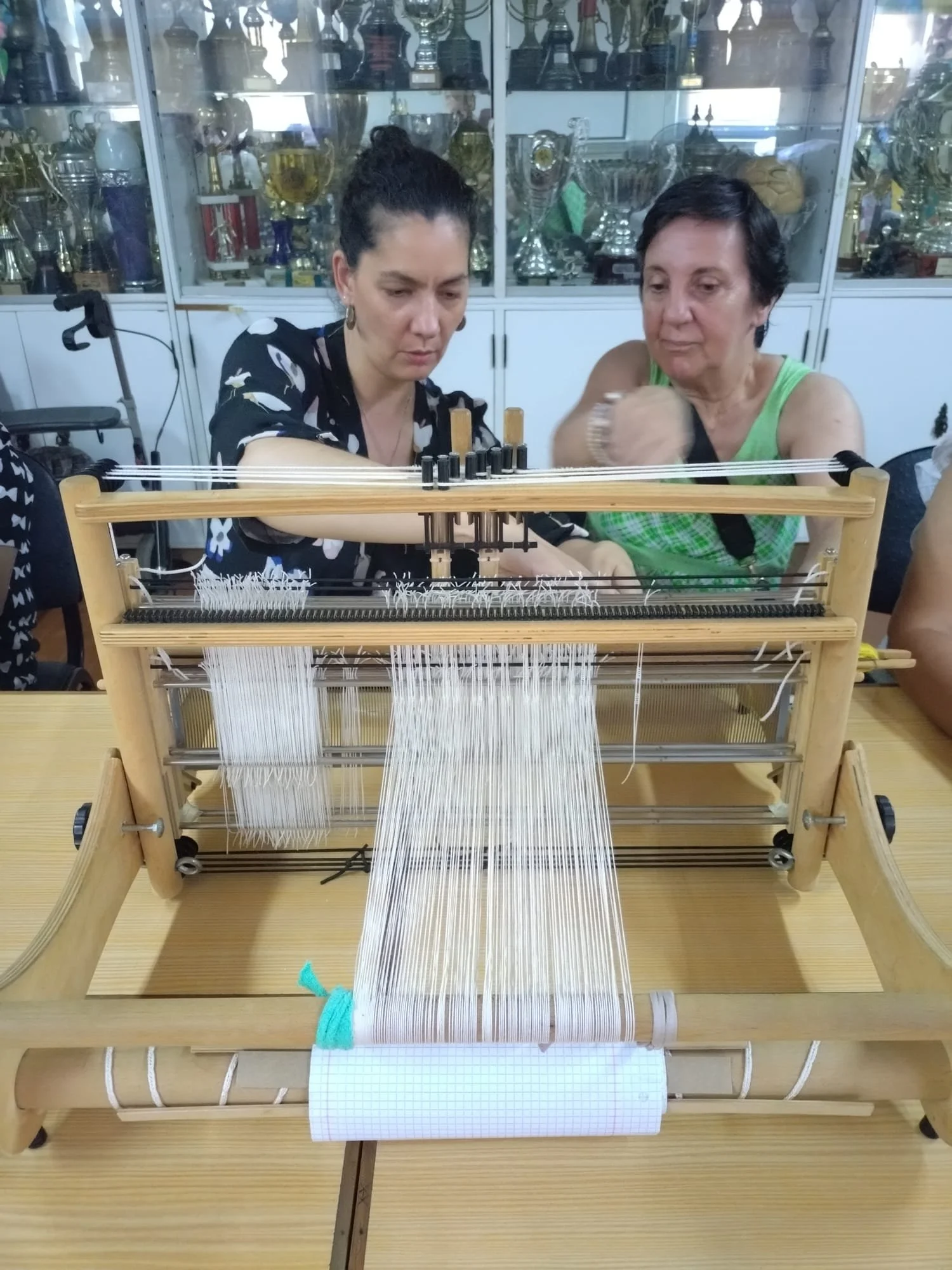
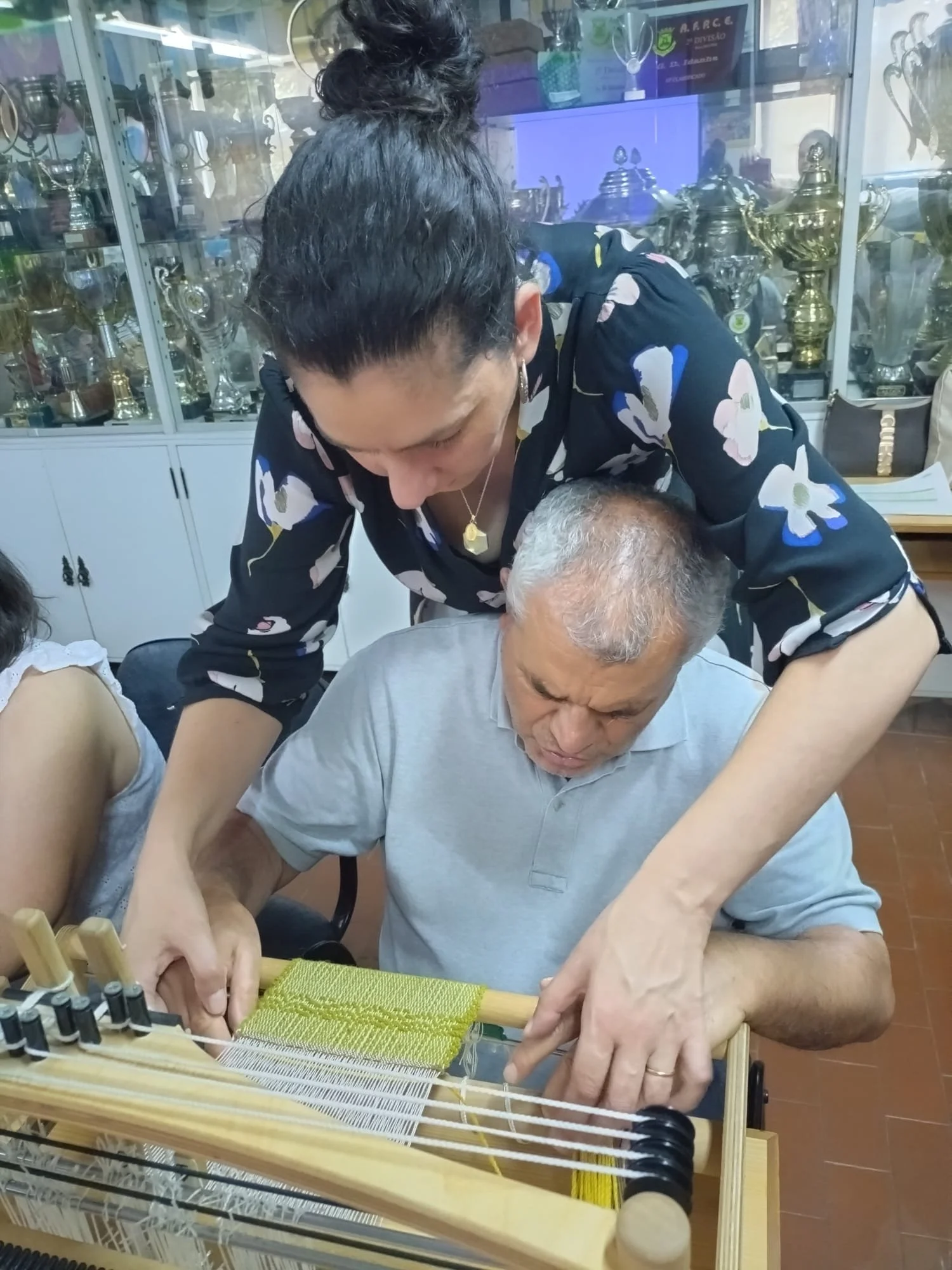
The Erasmus+ CommunityCloth project is dedicated to training community educators and promoting sustainable urban transitions through innovative training models and community engagement in the field of small-scale textile production.
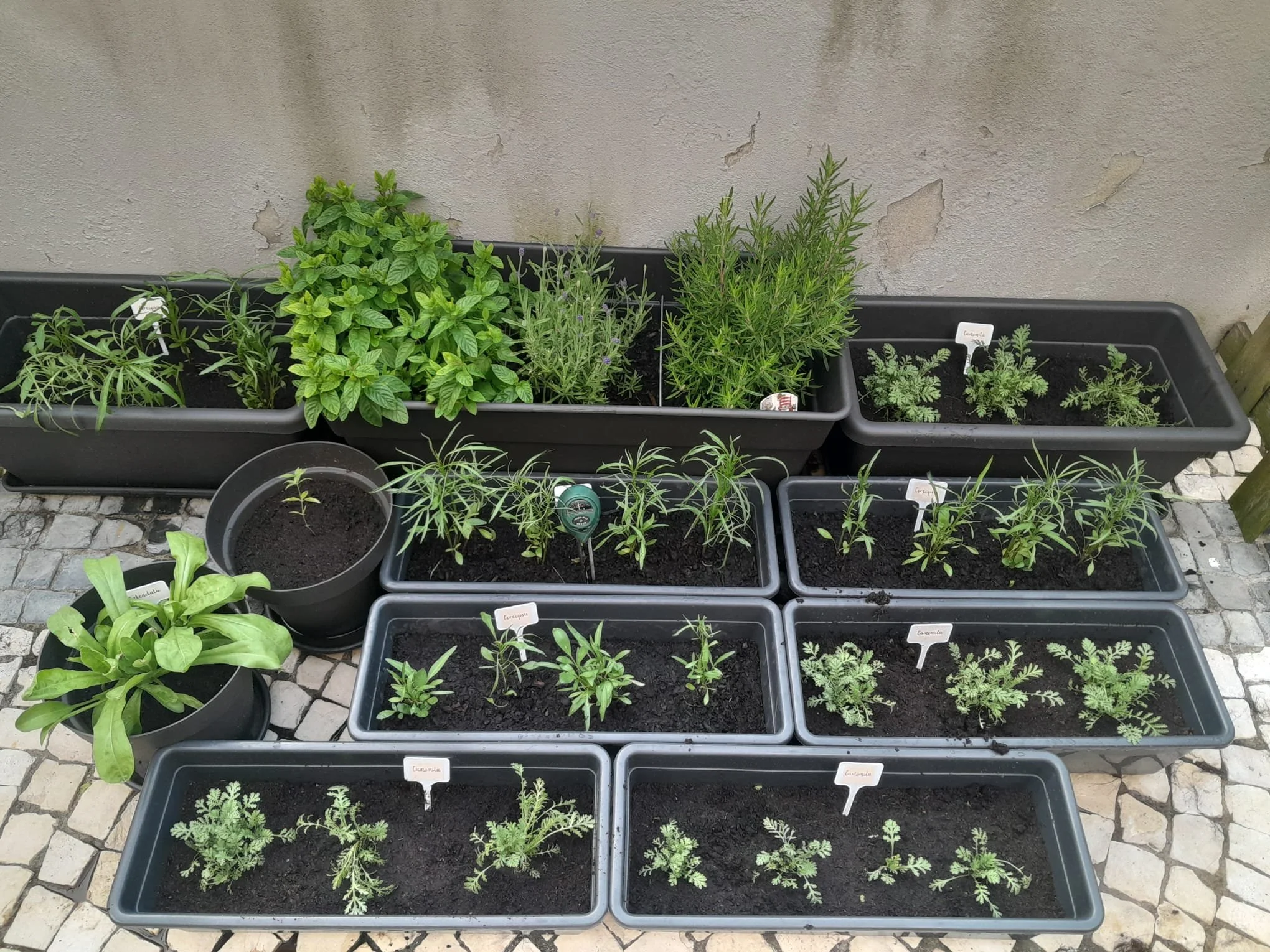
Our mission was to promote the development of community gardens, support “farm-to-fabric” production by using textiles to complement food production, and create new job opportunities in urban area
The project, funded by the Erasmus+ Program, is a collaboration between Saber Fazer (Portugal), ABR-Alternative Brains Rule (Cyprus), and Smuss Studio (Norway).
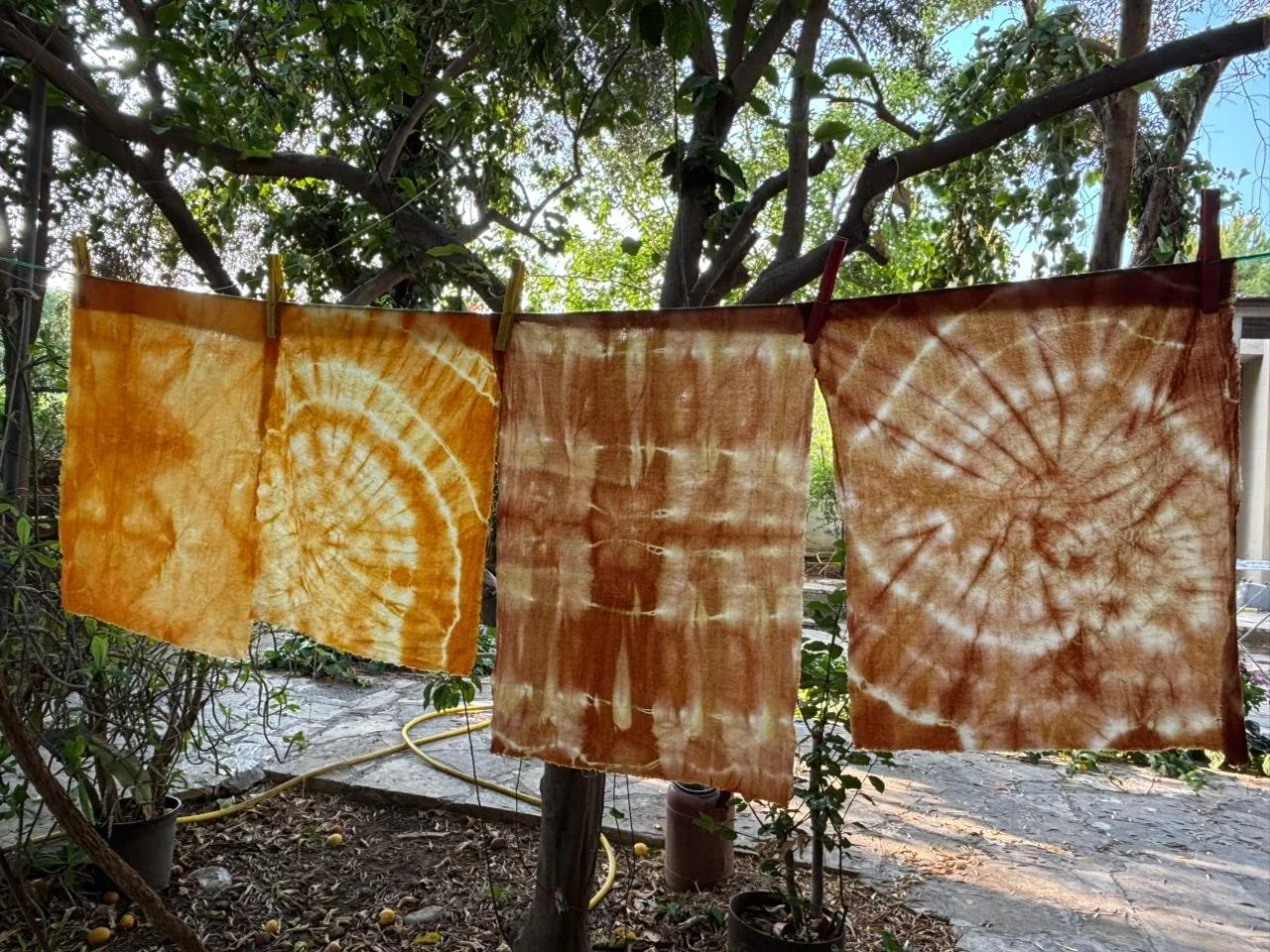
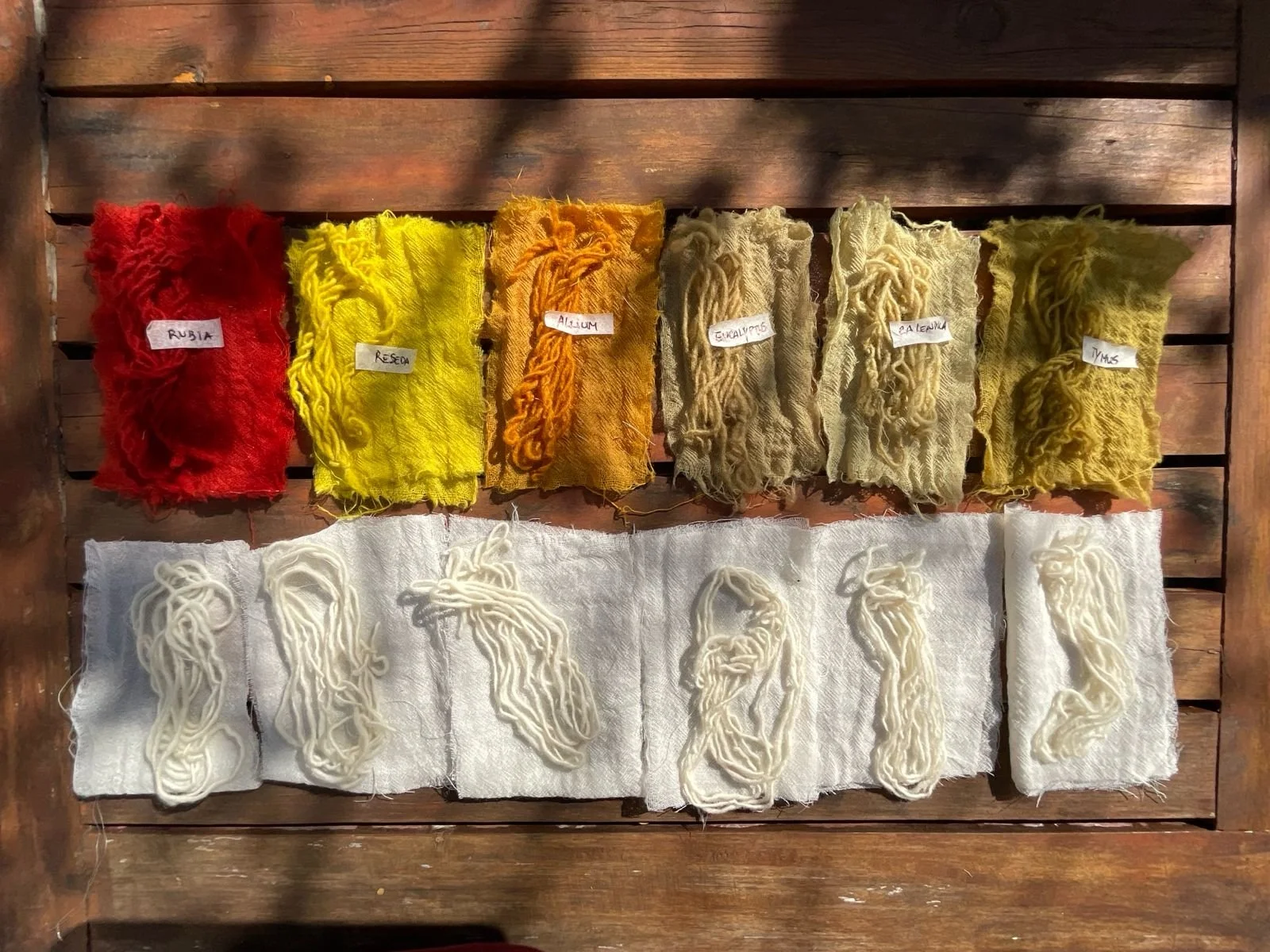
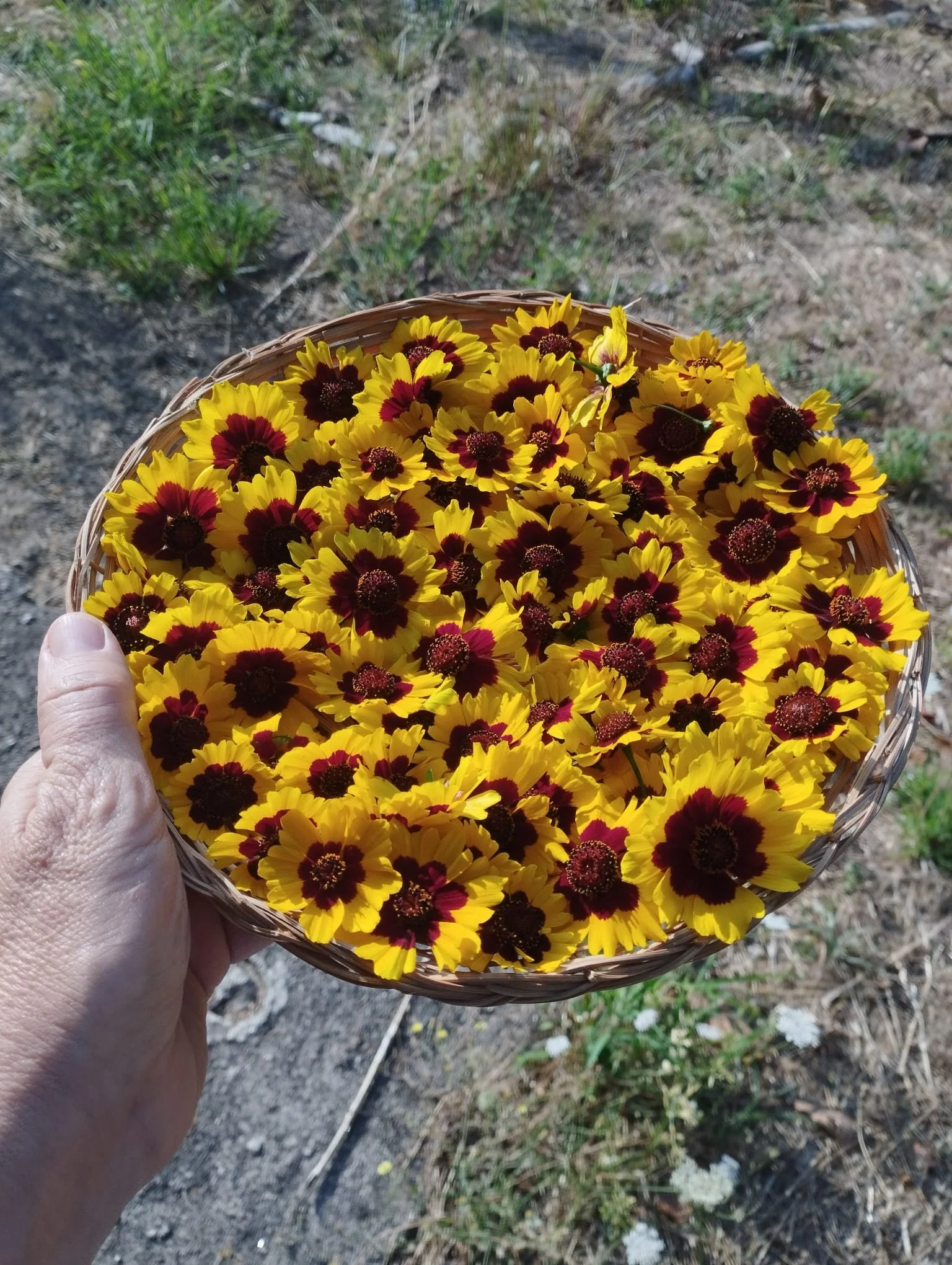
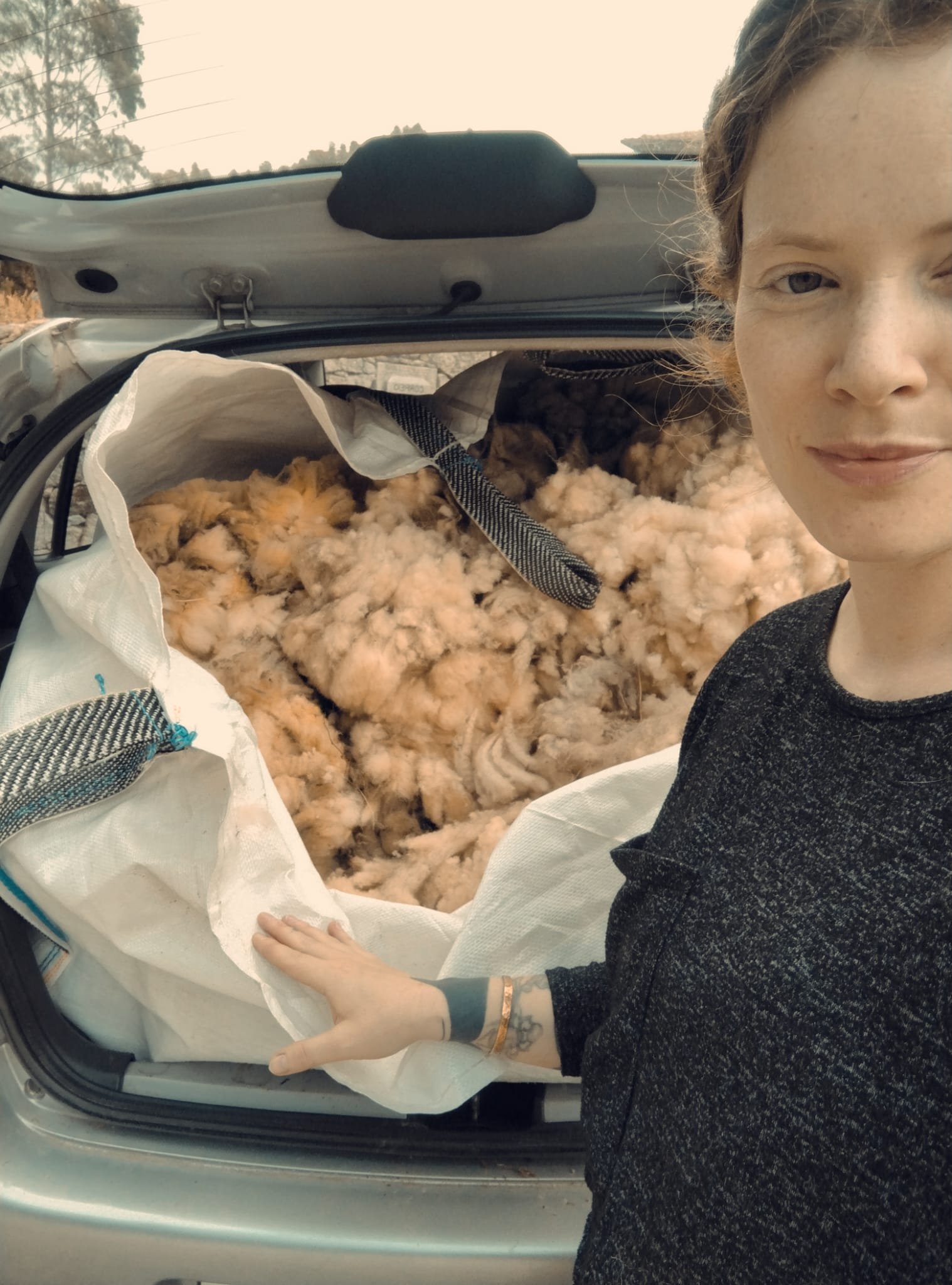
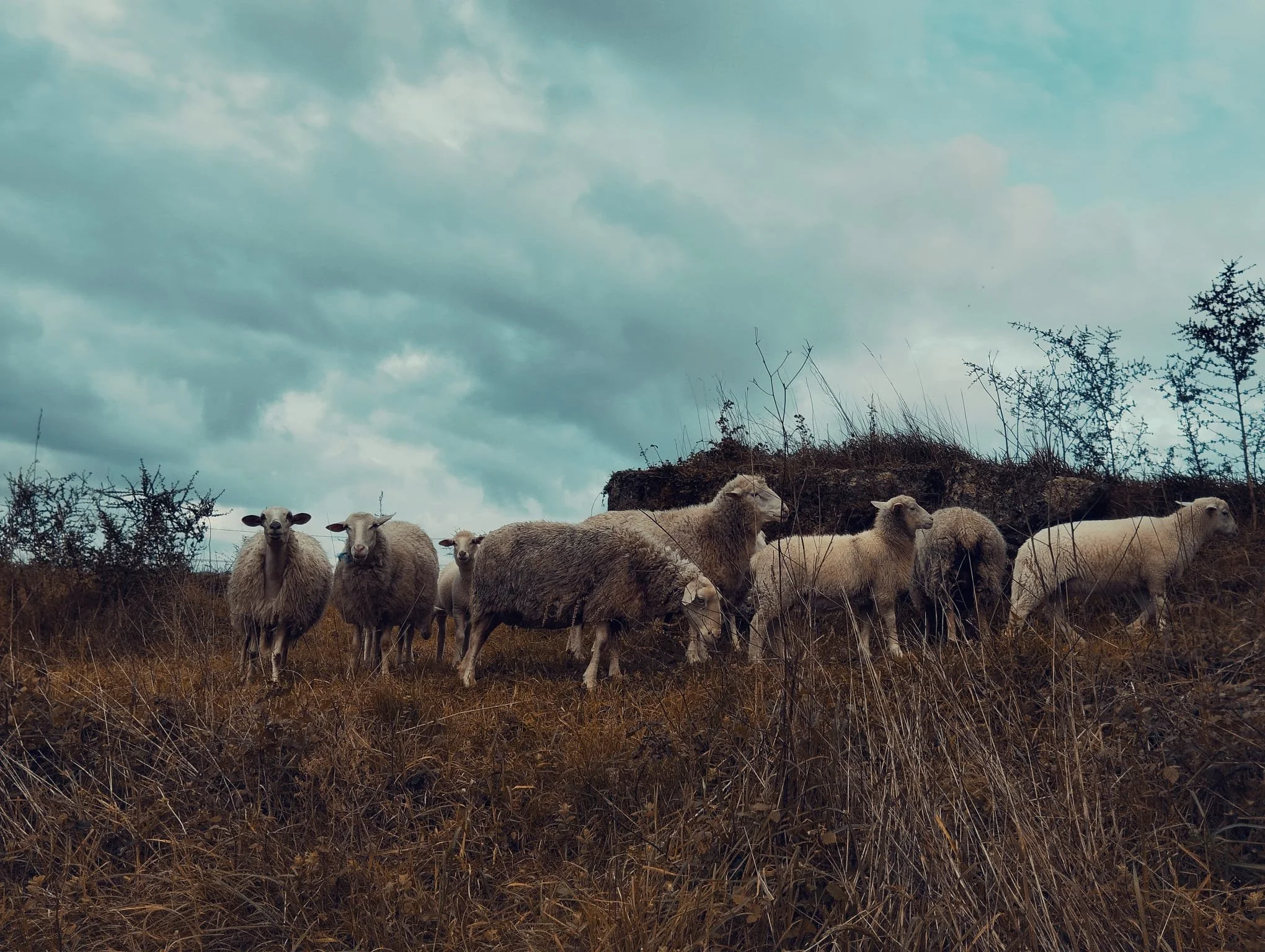
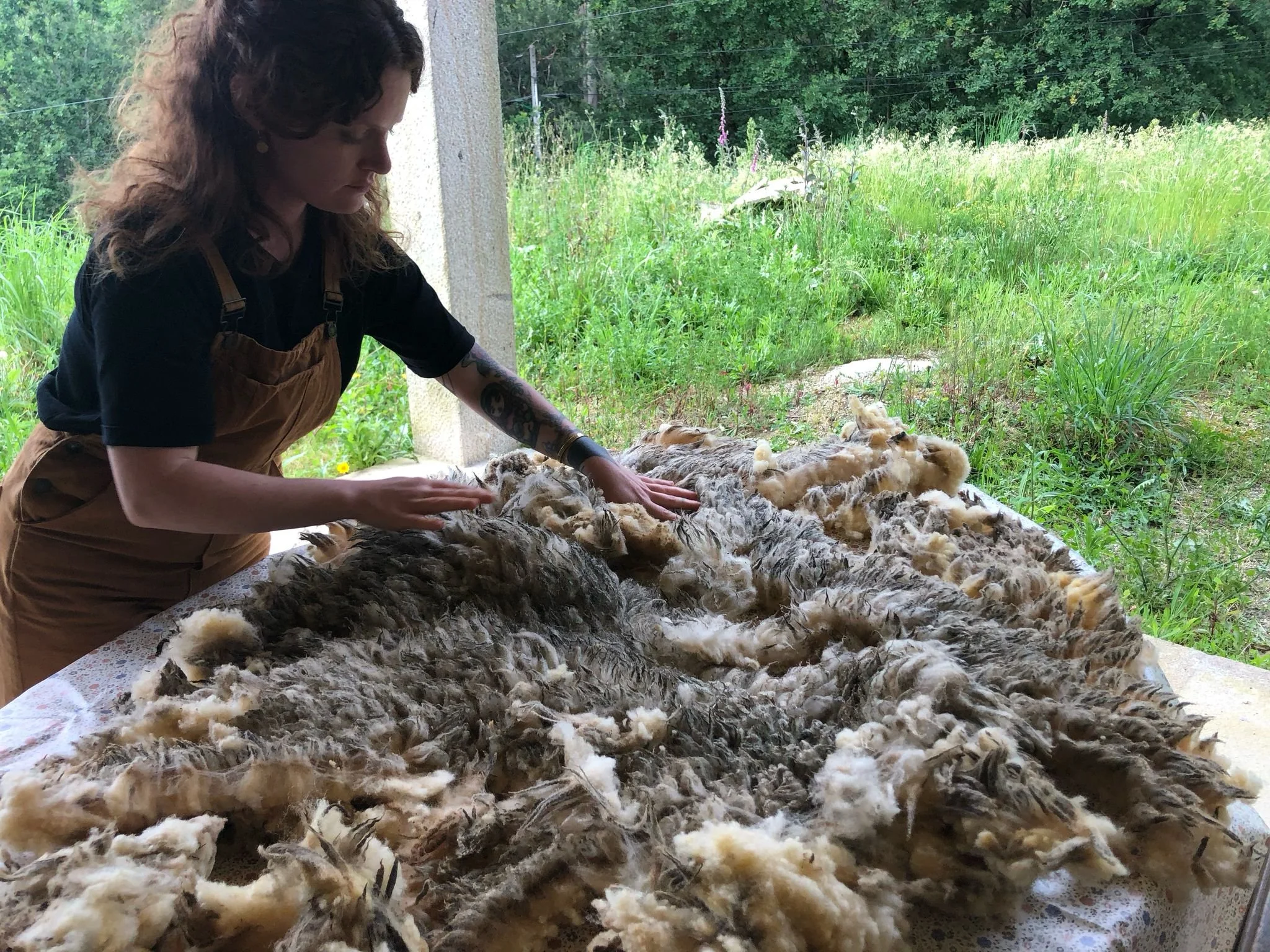
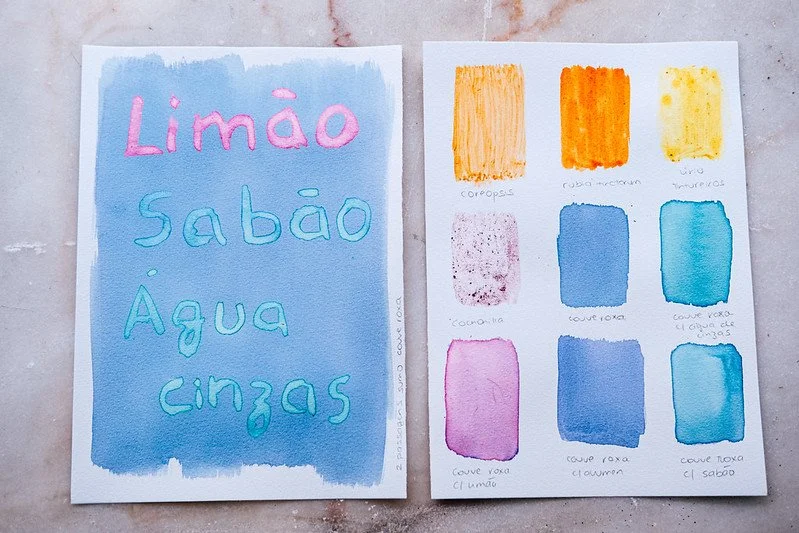
Textile production depends on the production of agricultural raw materials and is one of the most polluting industries, contributing significantly to climate change. The fight against climate change can only succeed through a transition to more sustainable, carbon-neutral, or carbon-positive production methods. Textile production based on low-impact agroecological practices greatly complements food production, enabling diversified yields, crop rotation, the introduction of new species, and the production of fertilizers. For this reason, the Erasmus+ CommunityCloth project set out to explore production activities that complement food production on urban farms, using natural dyeing and small-scale wool processing as examples.
This project aimed to empower urban communities by creating essential tools to promote new training models and provide the knowledge needed to develop community-based production, from farm to fabric.
By establishing a network of educators, CommunityCloth sought to implement affordable learning programs to support urban transition practices, foster community gardens, and create new employment opportunities.
The CommunityCloth training program
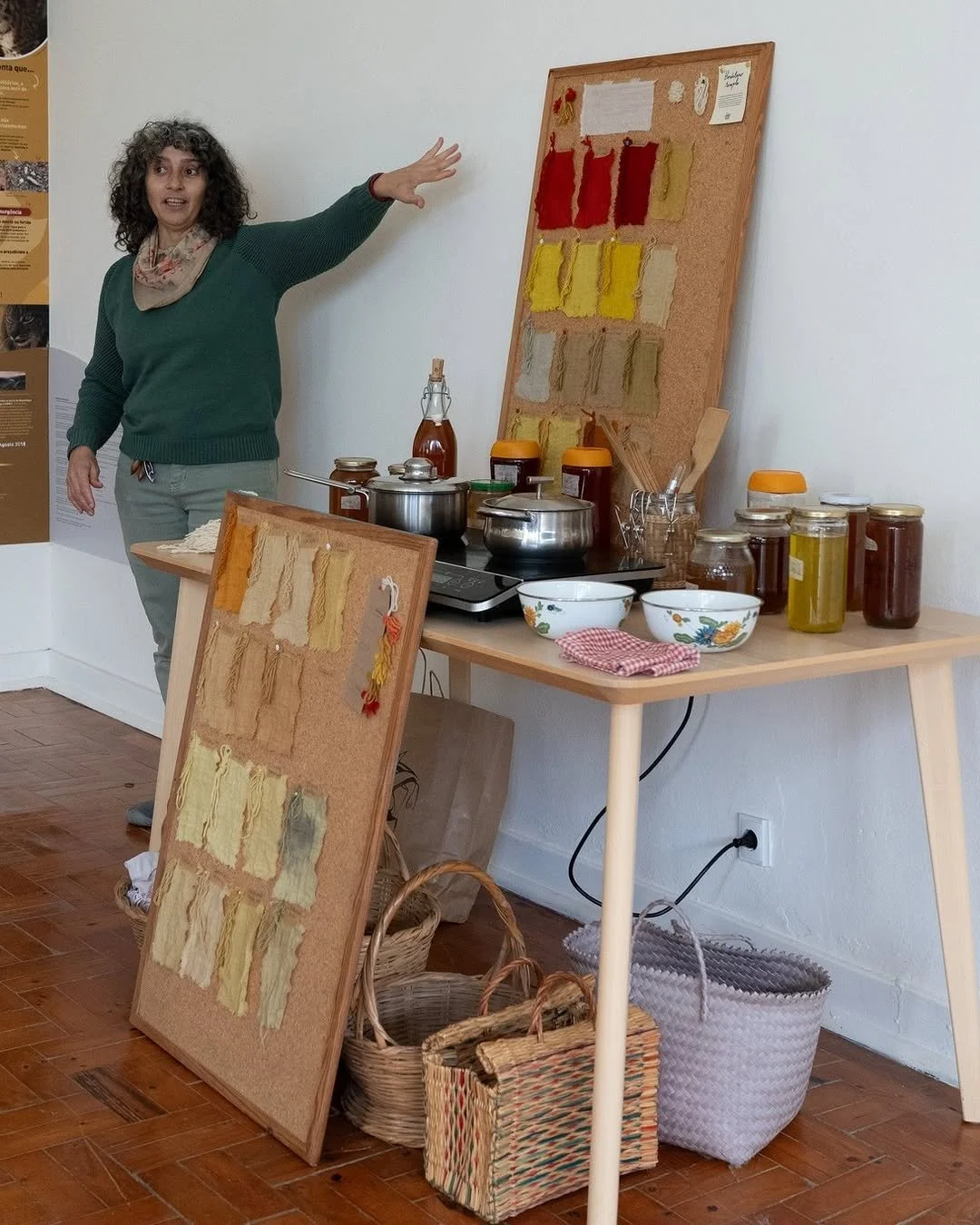
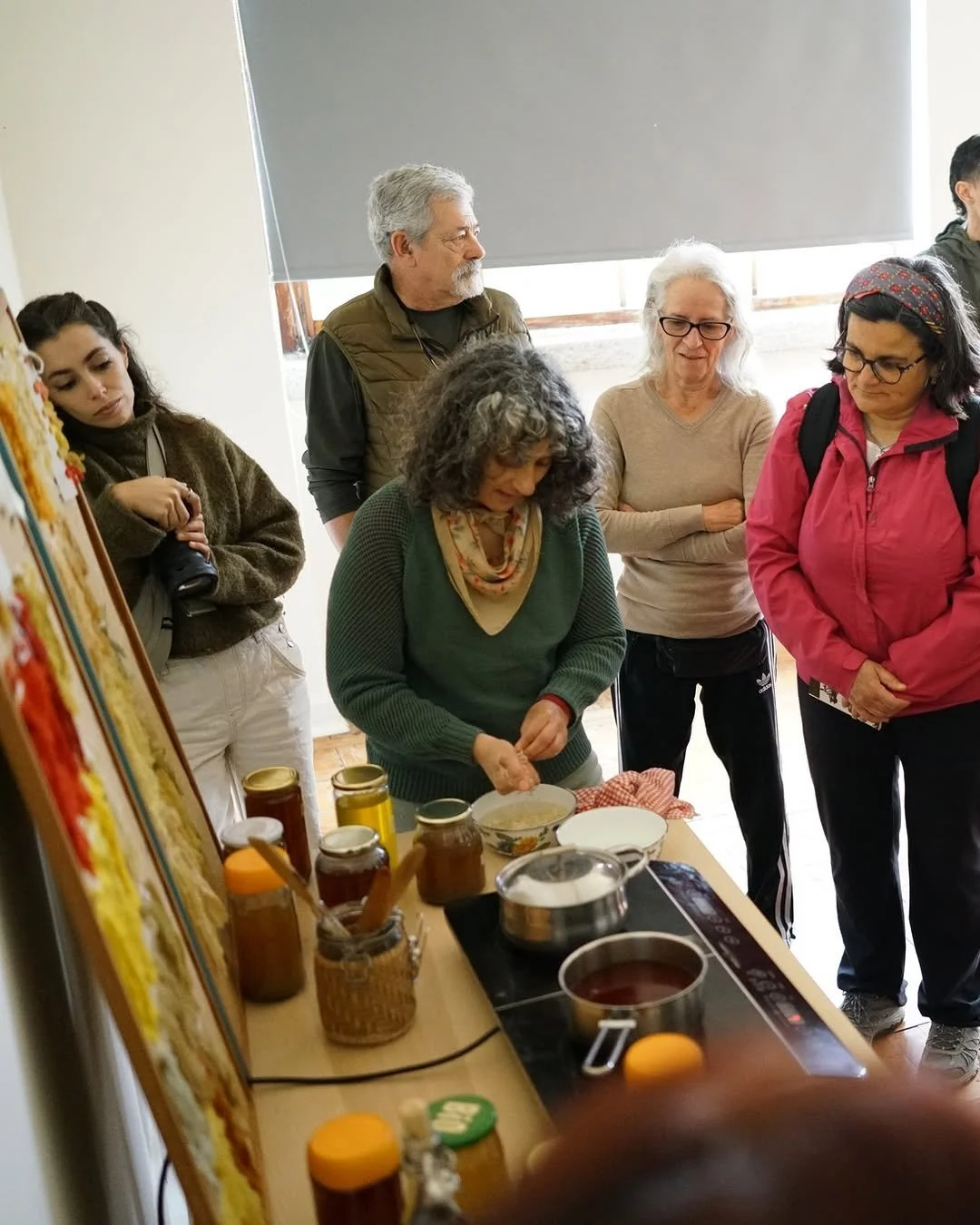
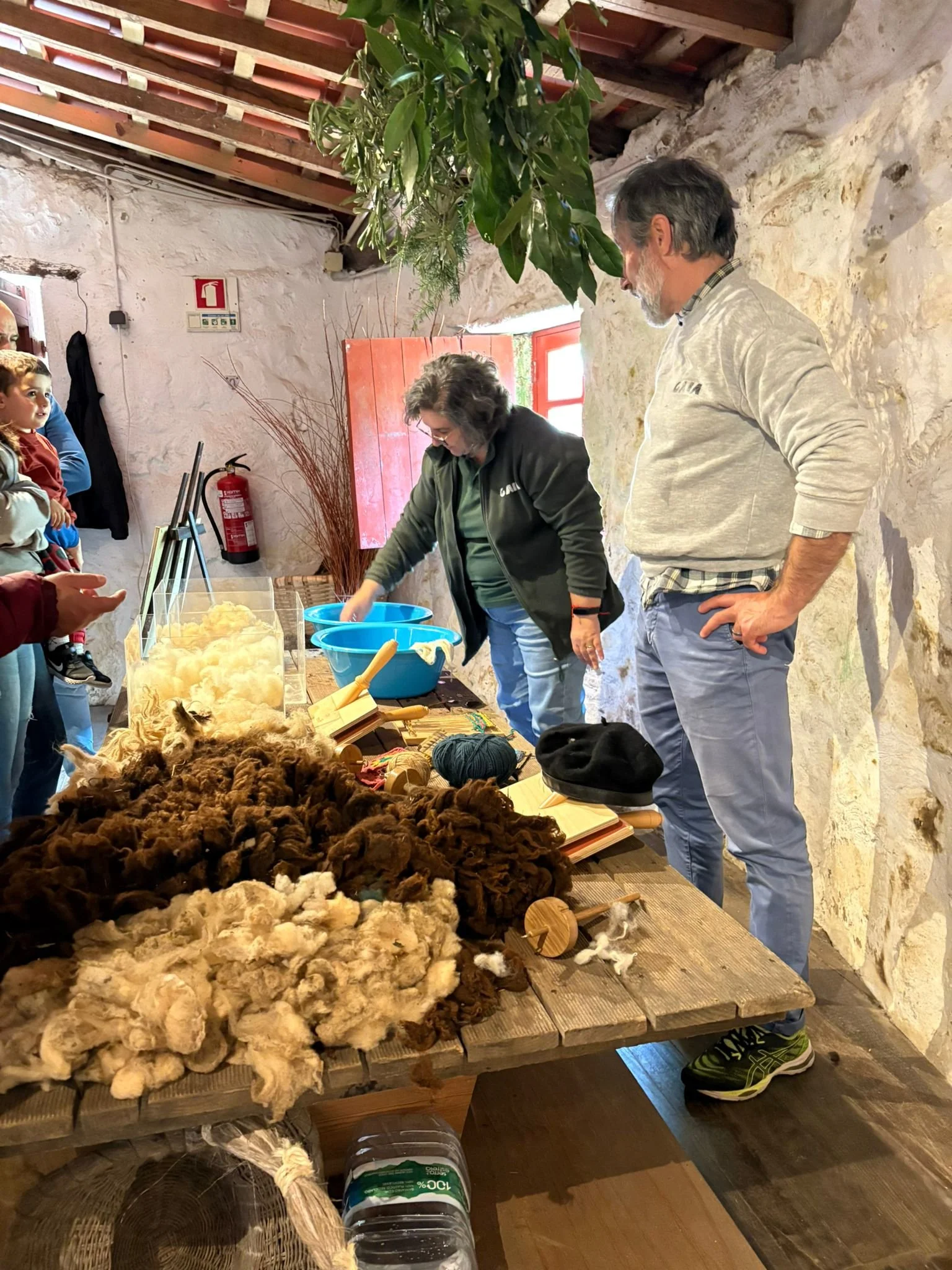
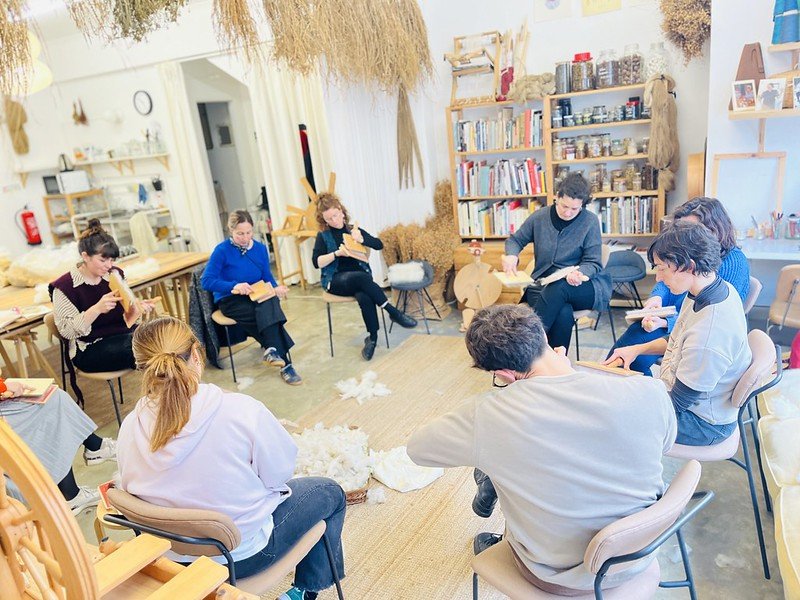
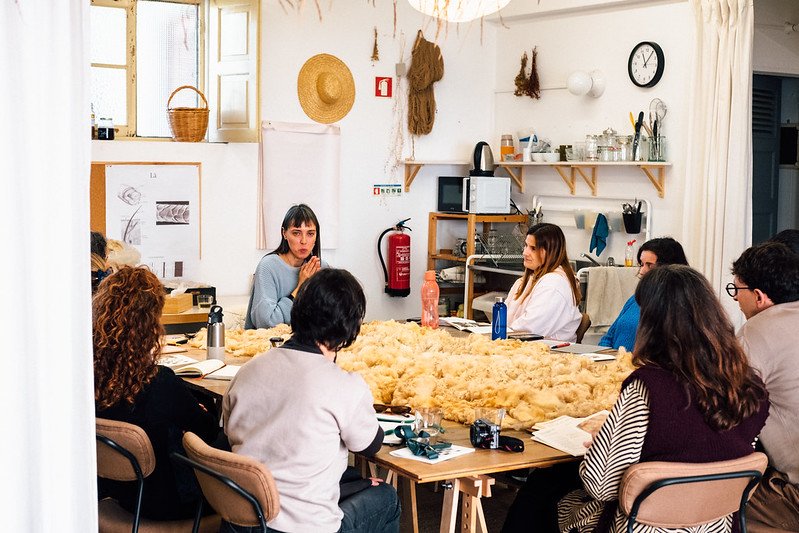
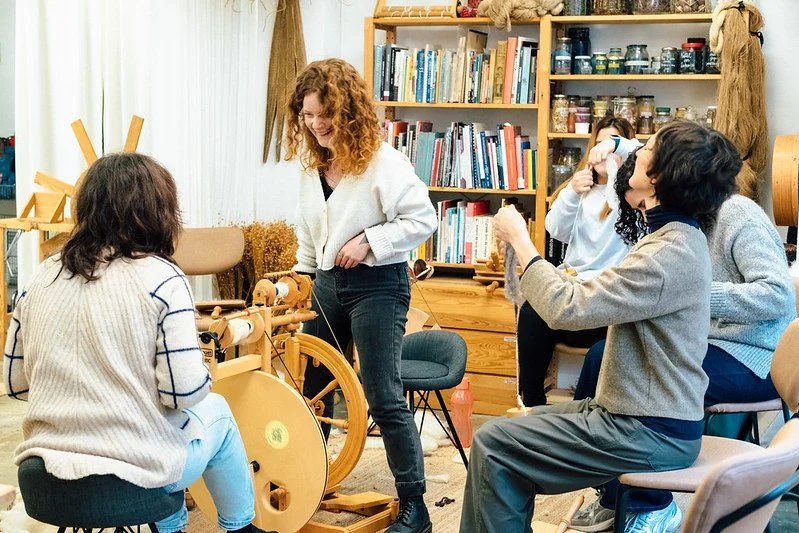
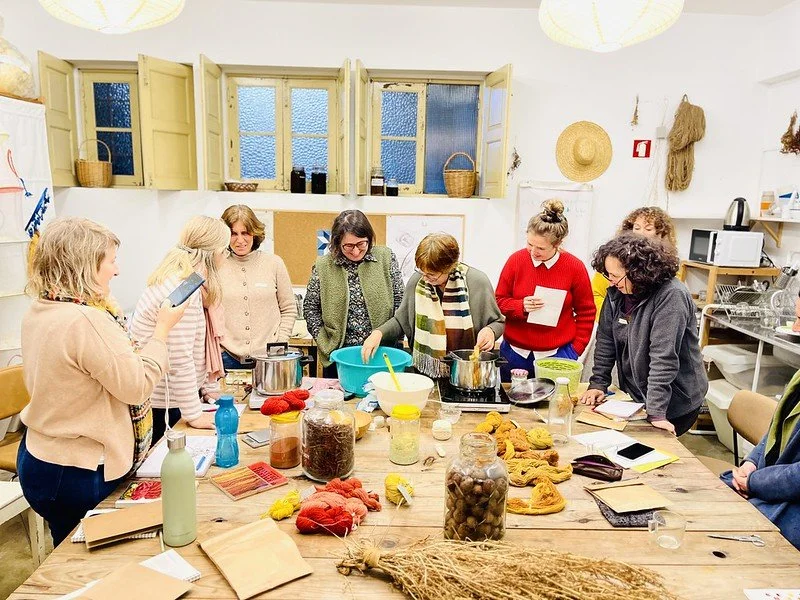
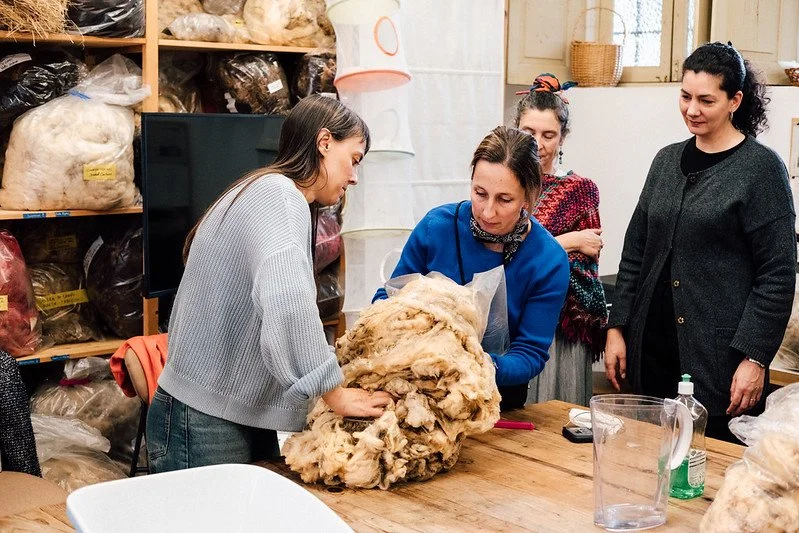
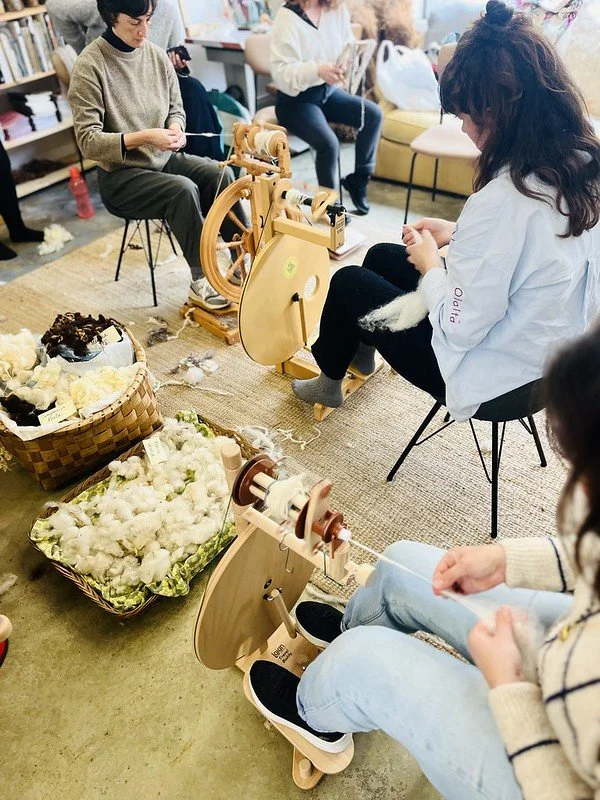
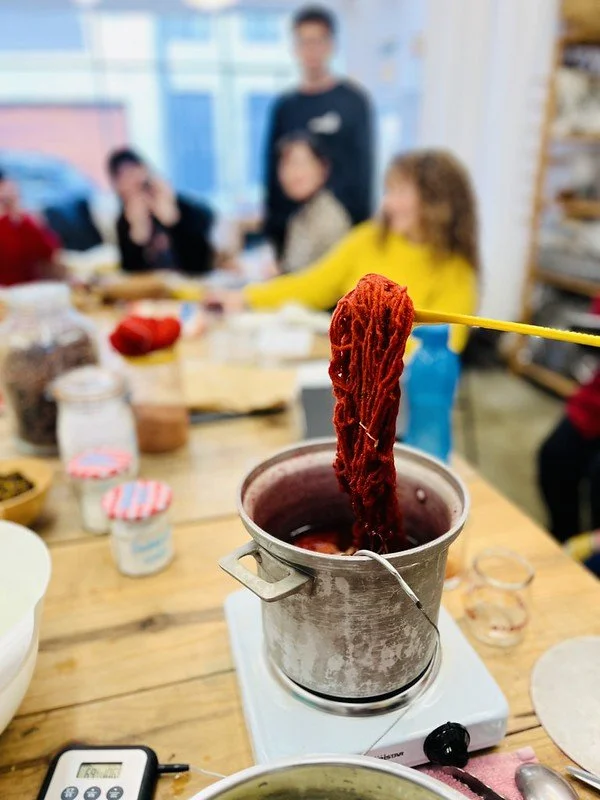
As part of this project, we are offering a free training program on wool processing and natural dyeing, to be held in Portugal (Porto) in February 2025. The goal was to build a network of educators who would go on to implement educational activities in these two areas, testing new community-based learning models and sustainable activities from field to fabric.
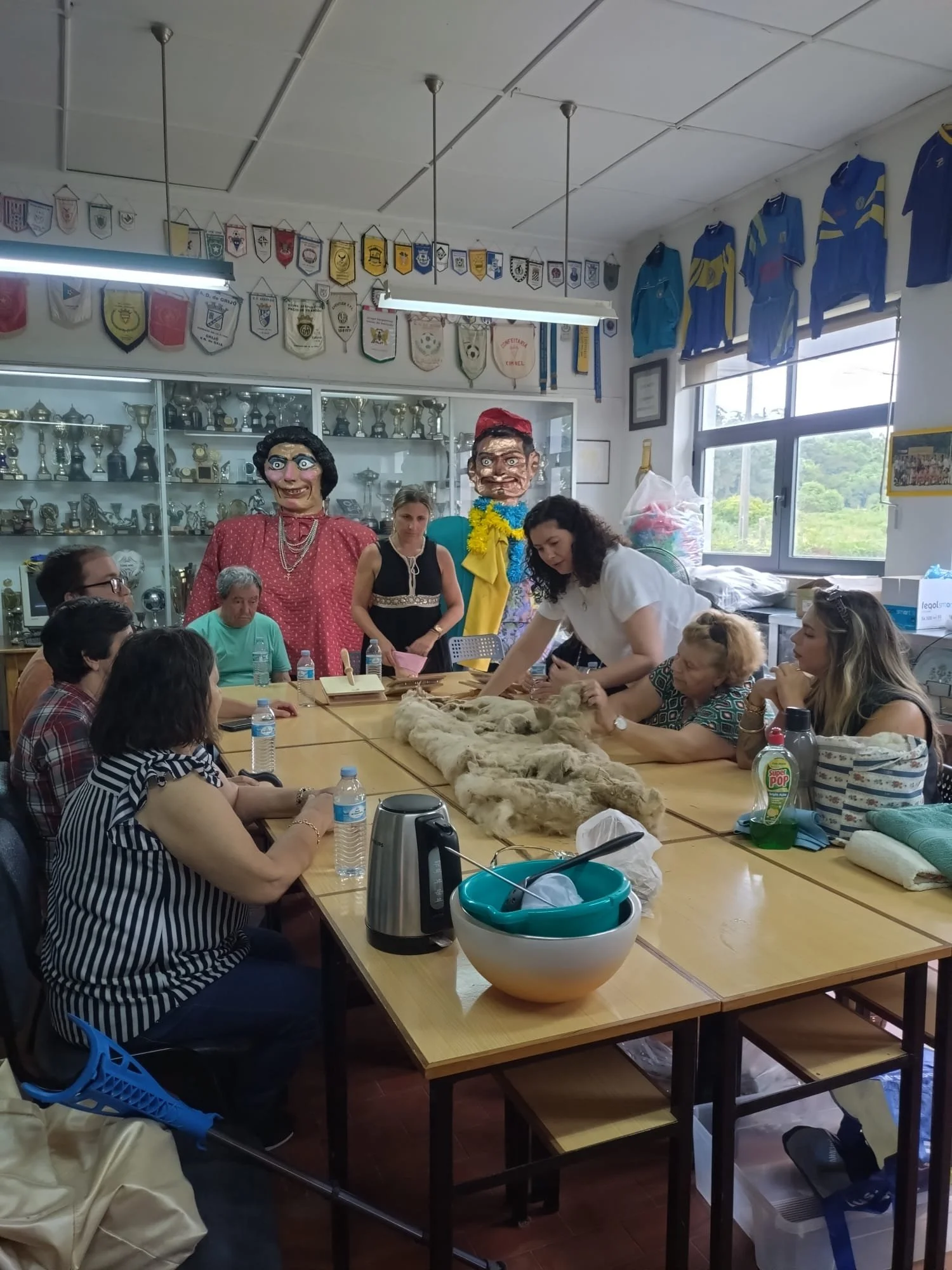
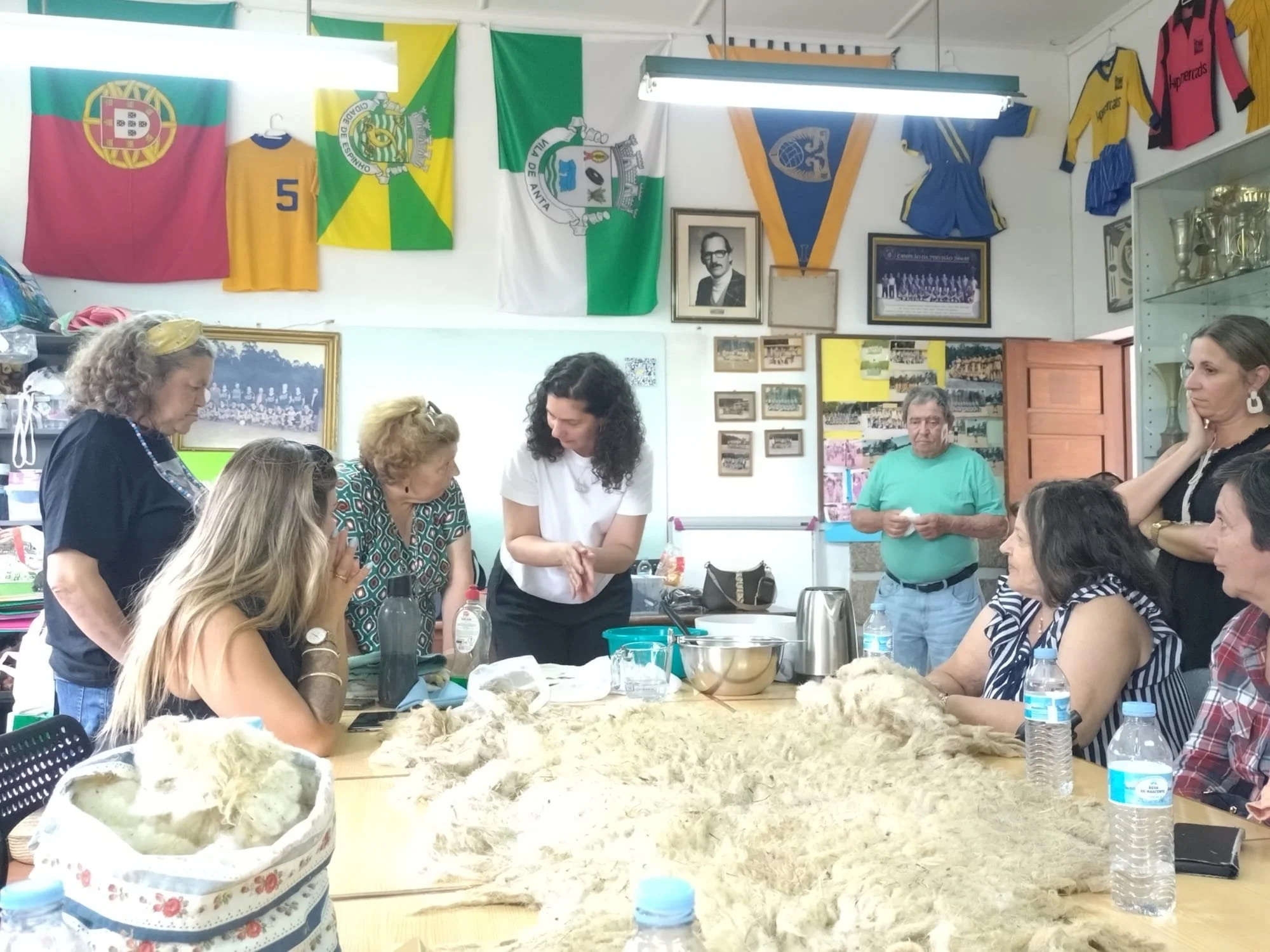
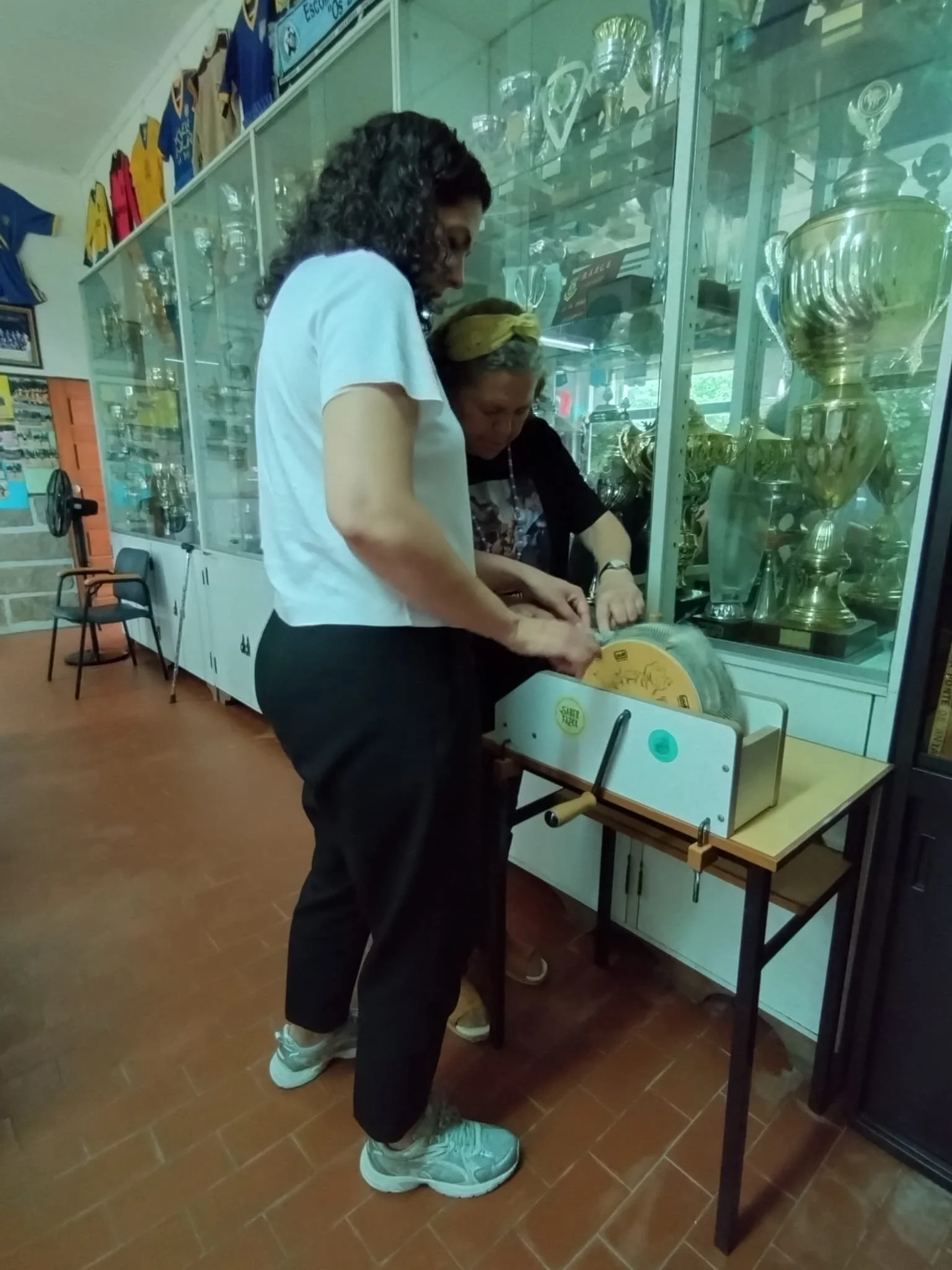
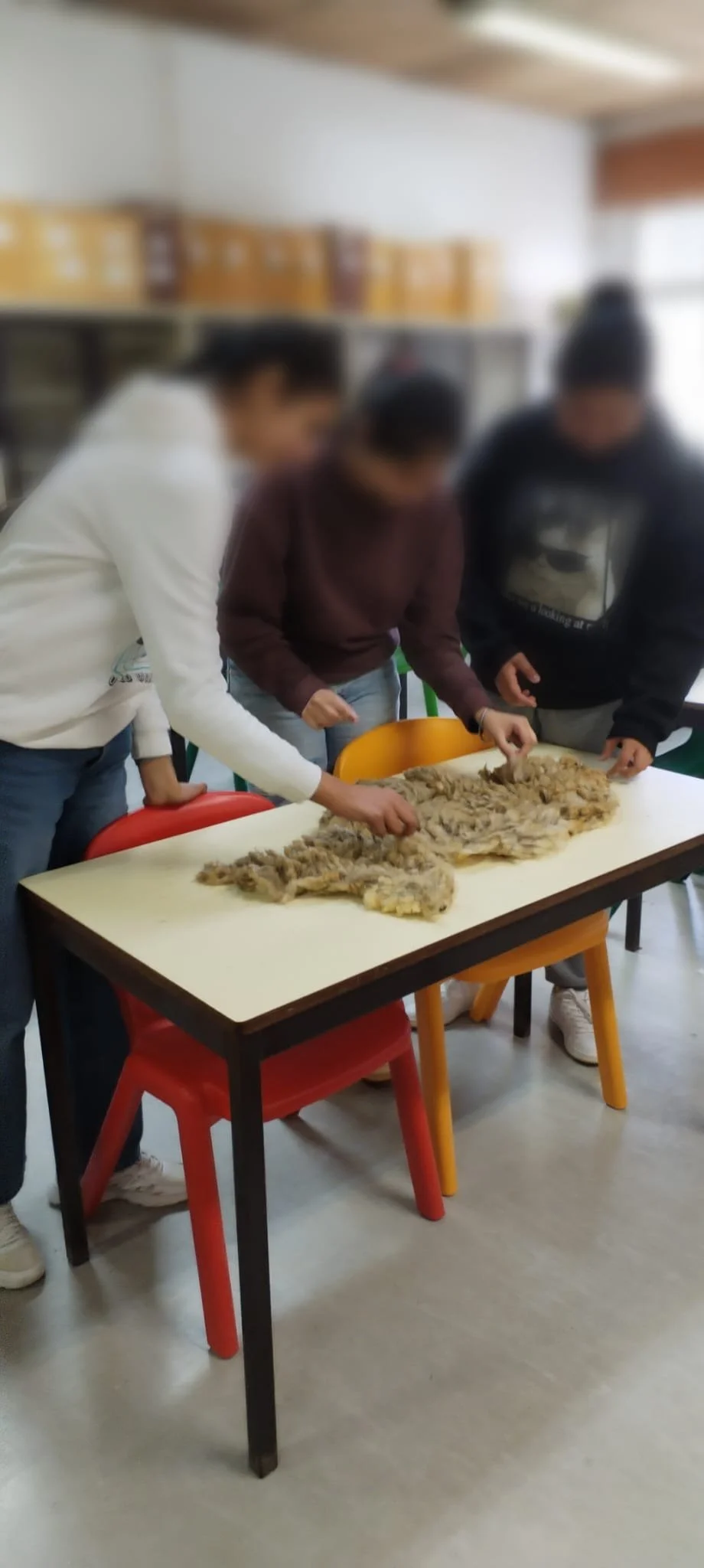
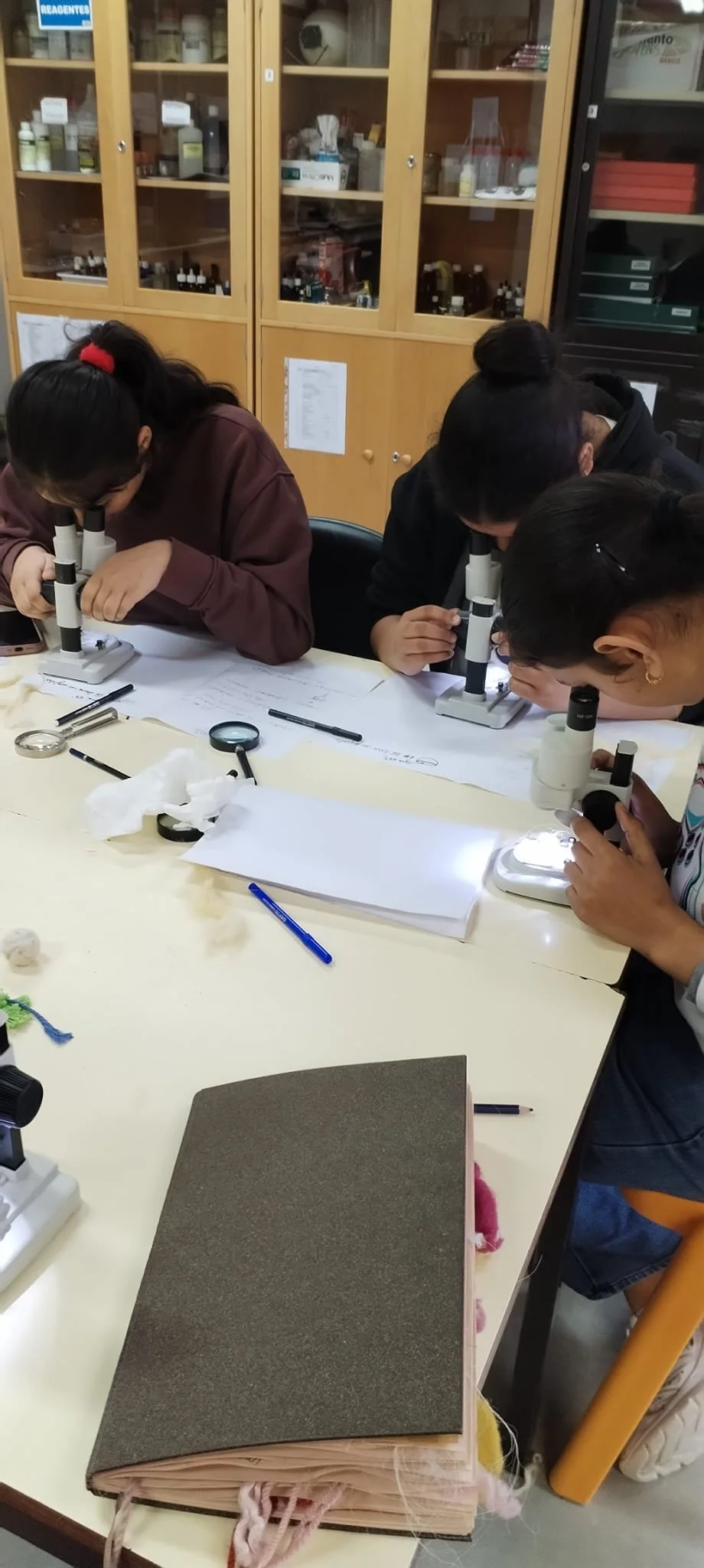
During this training program, participants attended a two-day hands-on course where they learned about wool processing and natural dyeing. The program also included a one-day workshop focused on designing hands-on learning activities for the community.

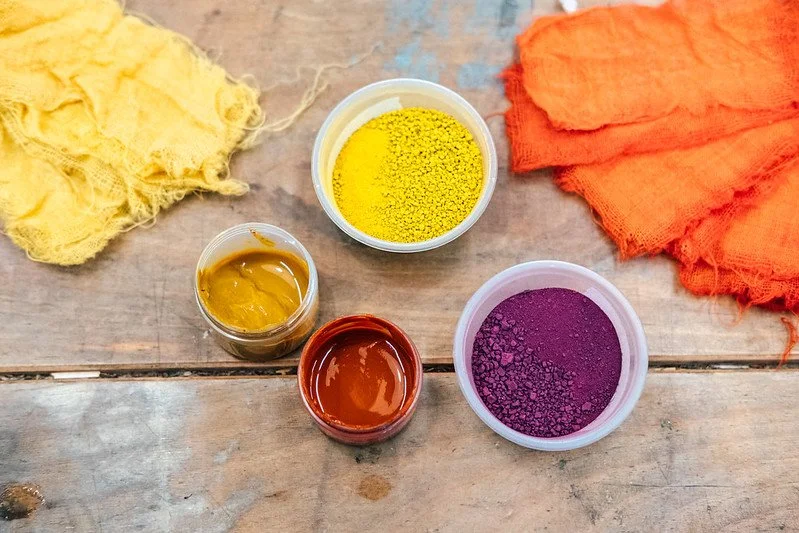
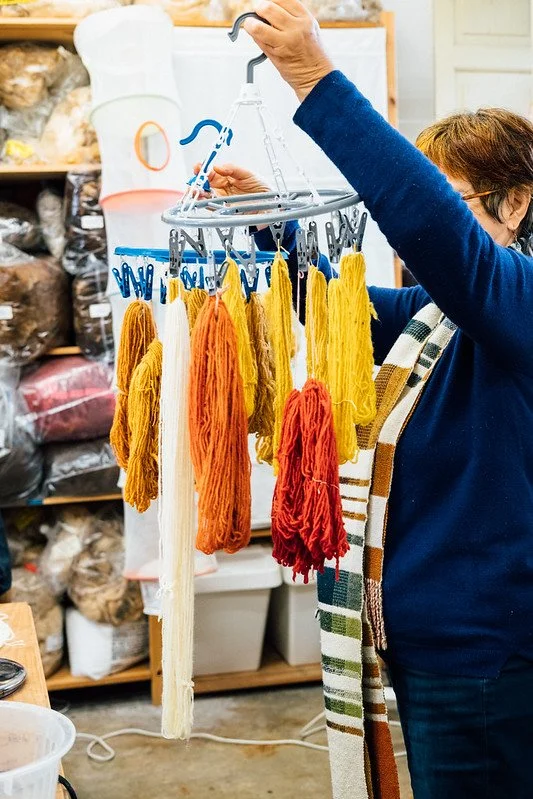
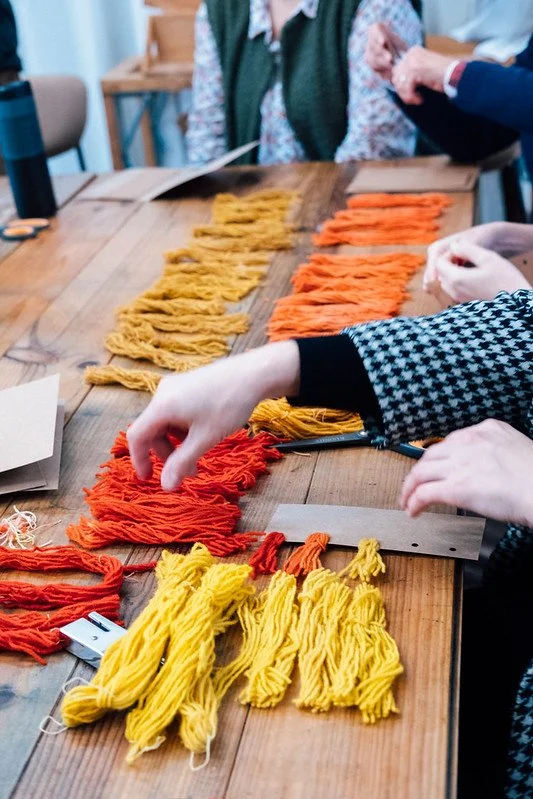
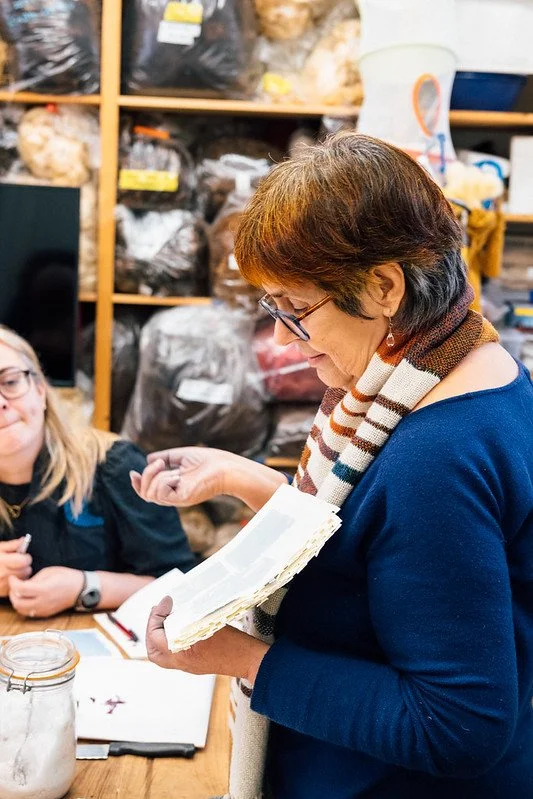
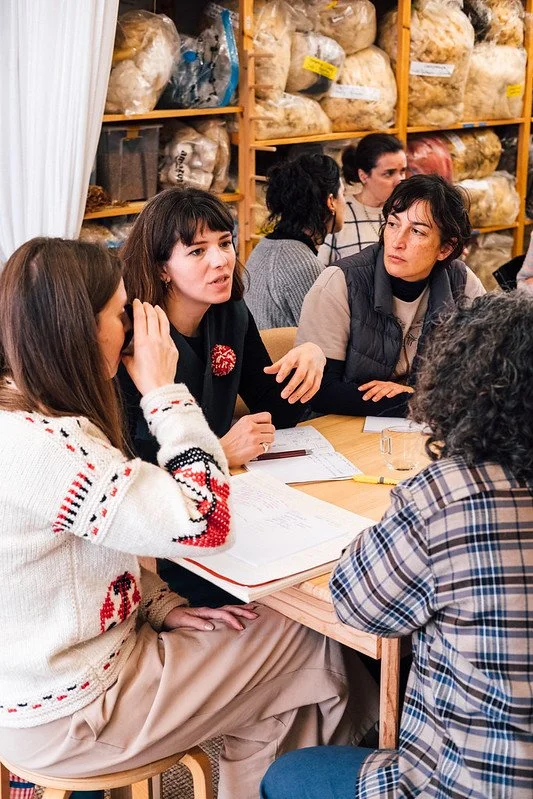
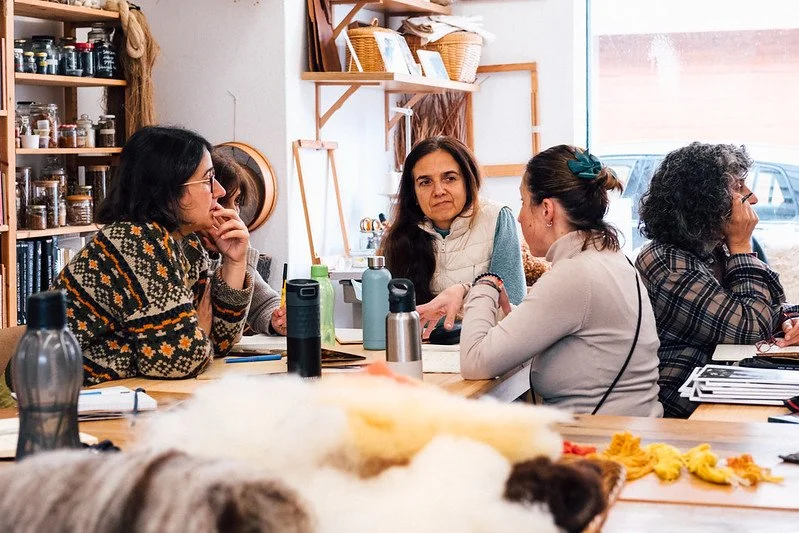
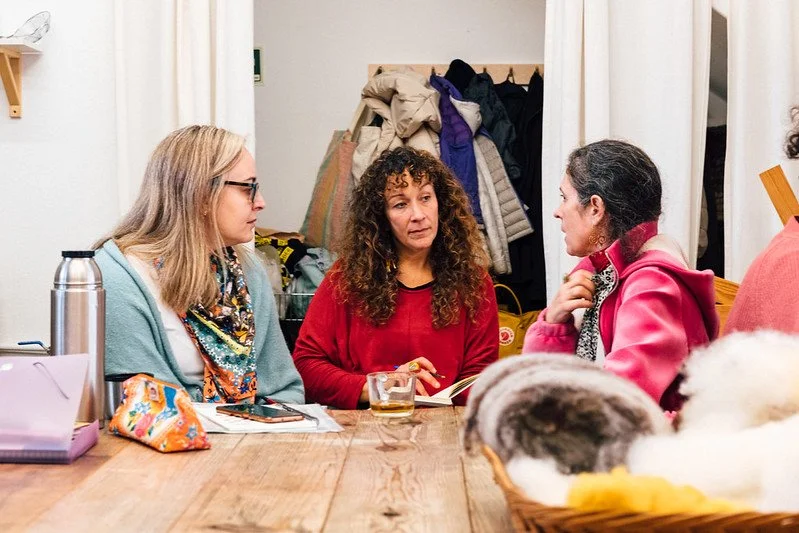
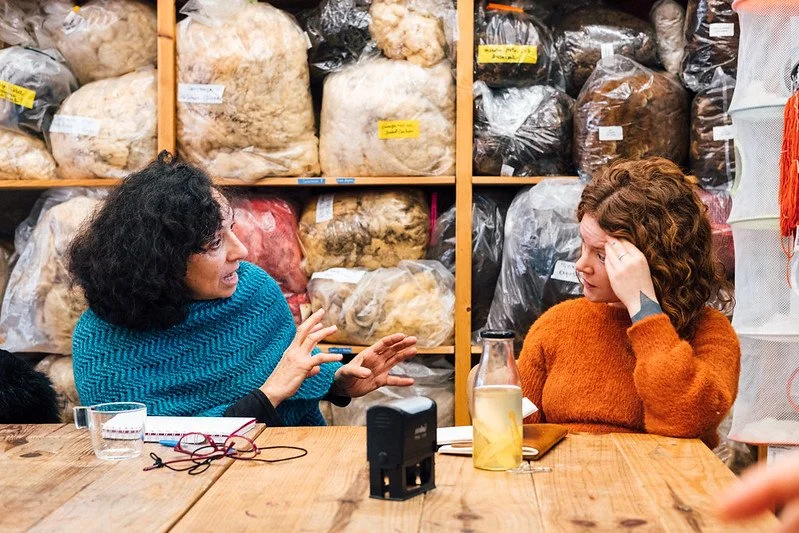
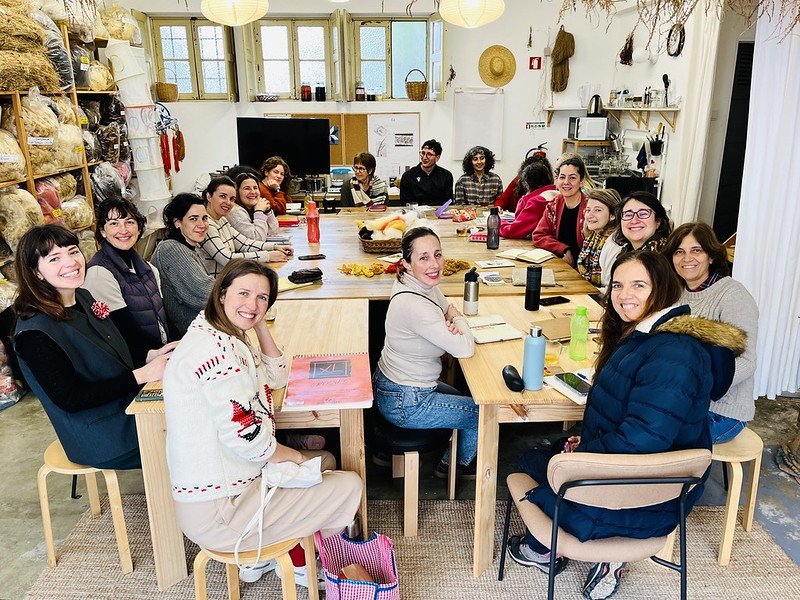
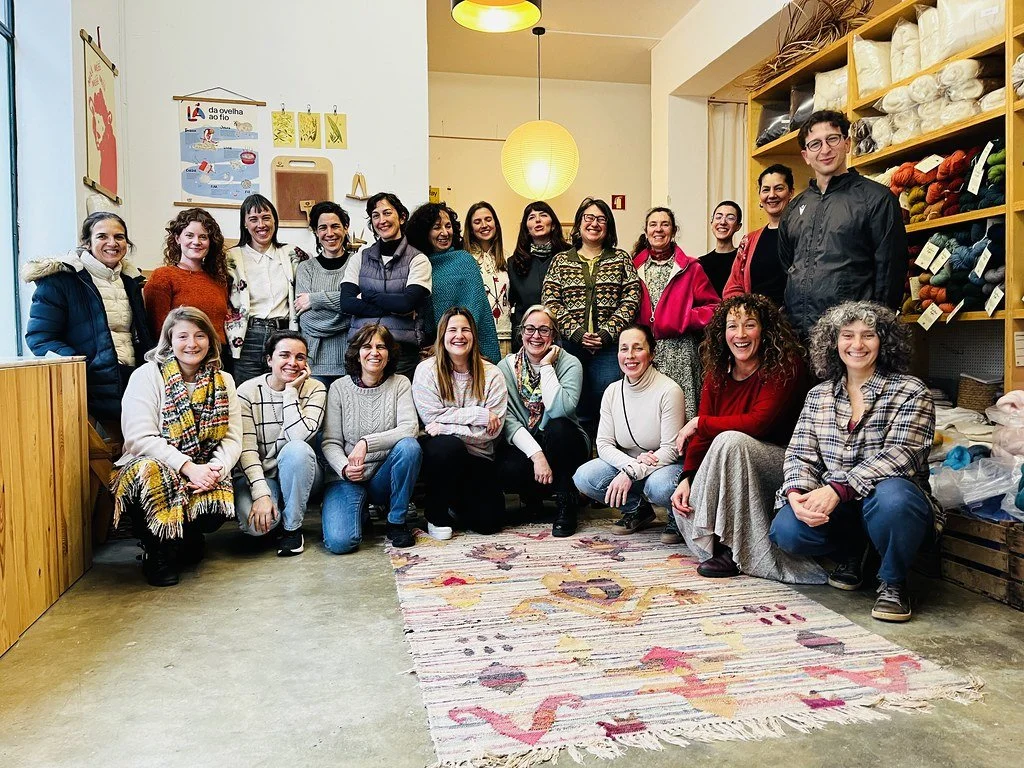
CommunityCloth Educators
For this project, we were looking for women who are teachers and educators, community leaders (parent groups, urban activists, collectives, and others), social sector workers, and staff working in educational services at urban farms, city councils, NGOs, or fablabs.
The call for applications was open to women working with migrant communities (especially migrant women); unemployed women; women with disabilities; school-age children; and young people of school age.
The reason we accepted only women is that the project aimed to engage a gender that is underrepresented in urban agriculture.
The CommunityCloth handbooks
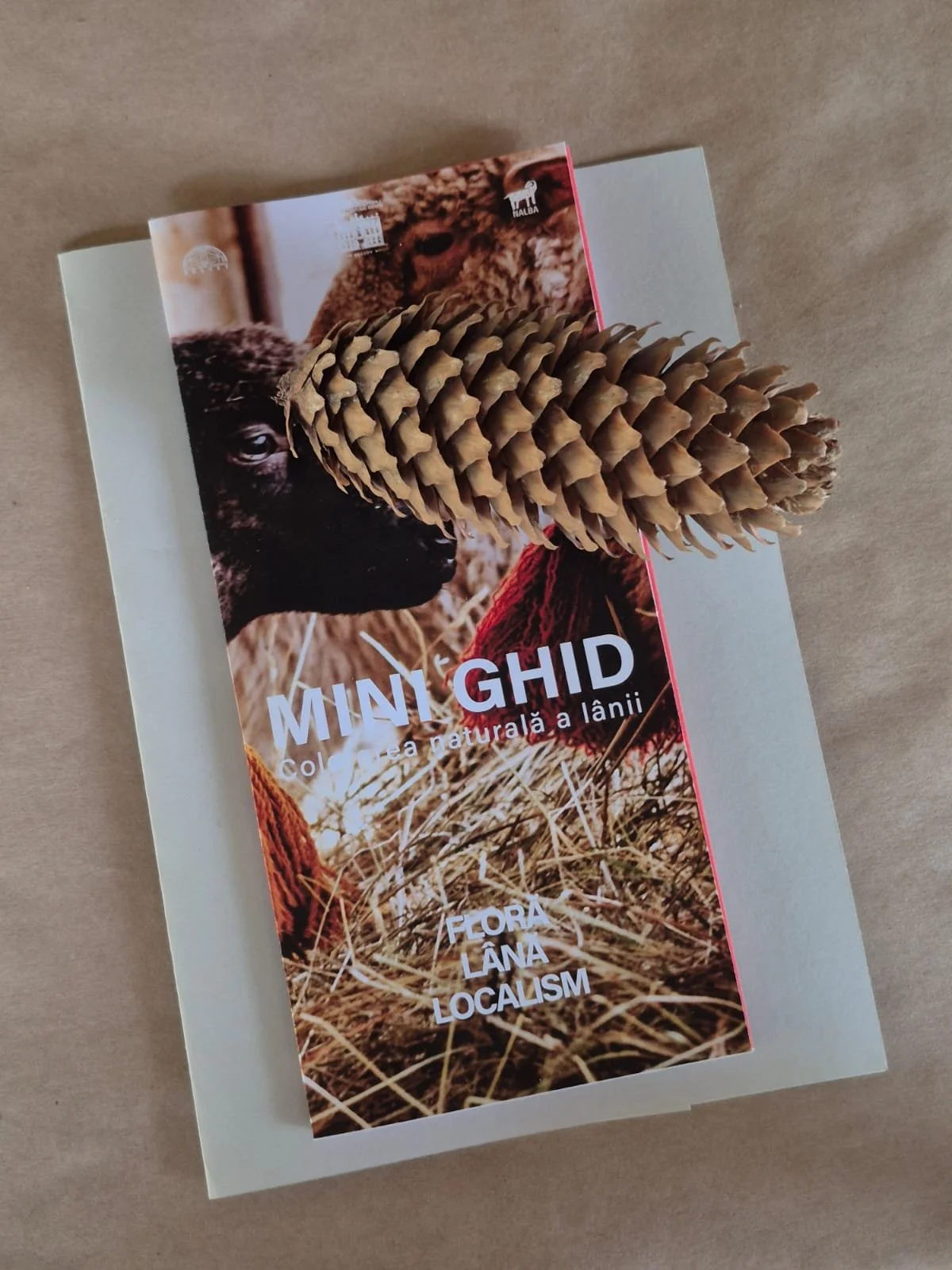
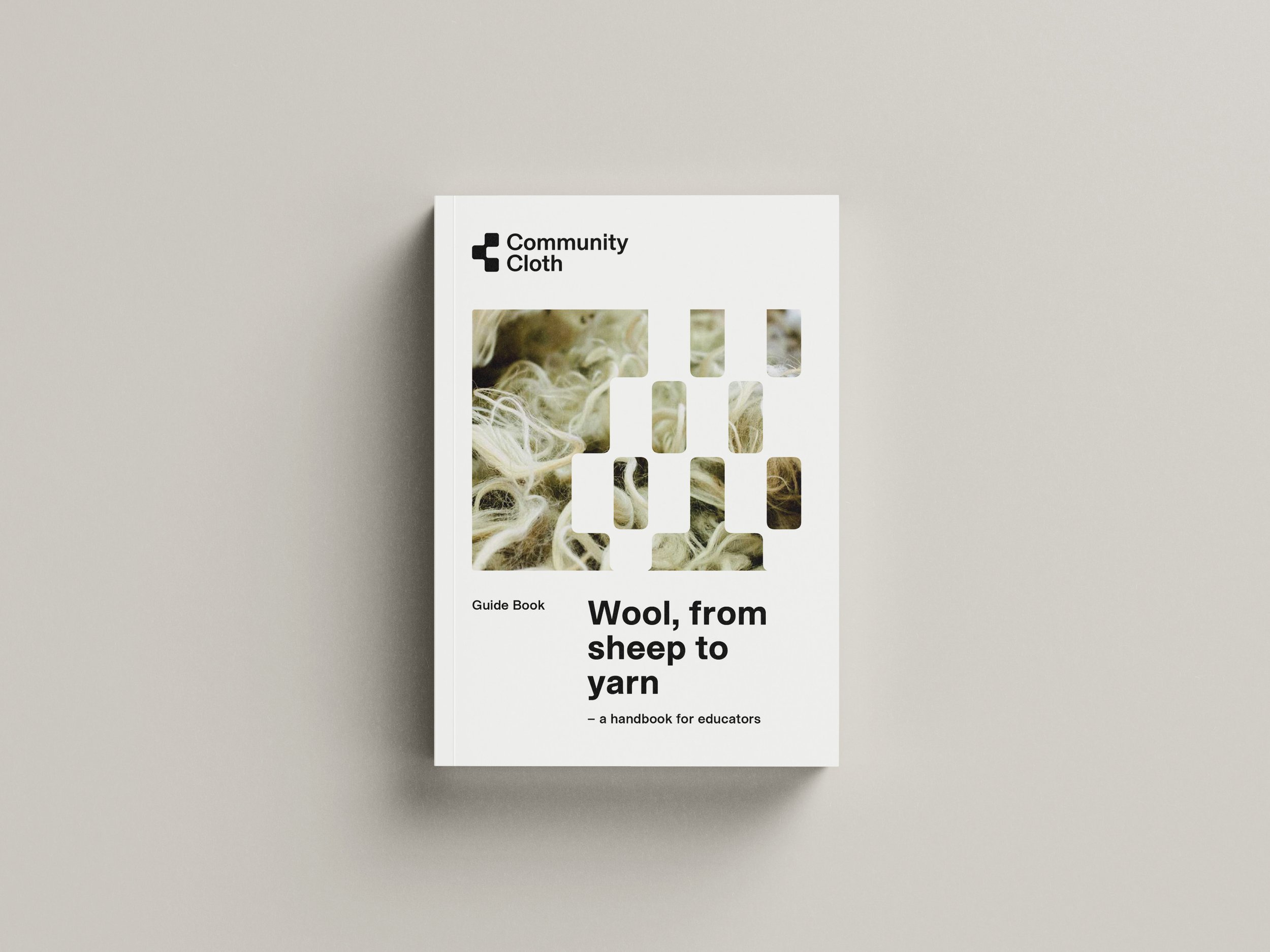
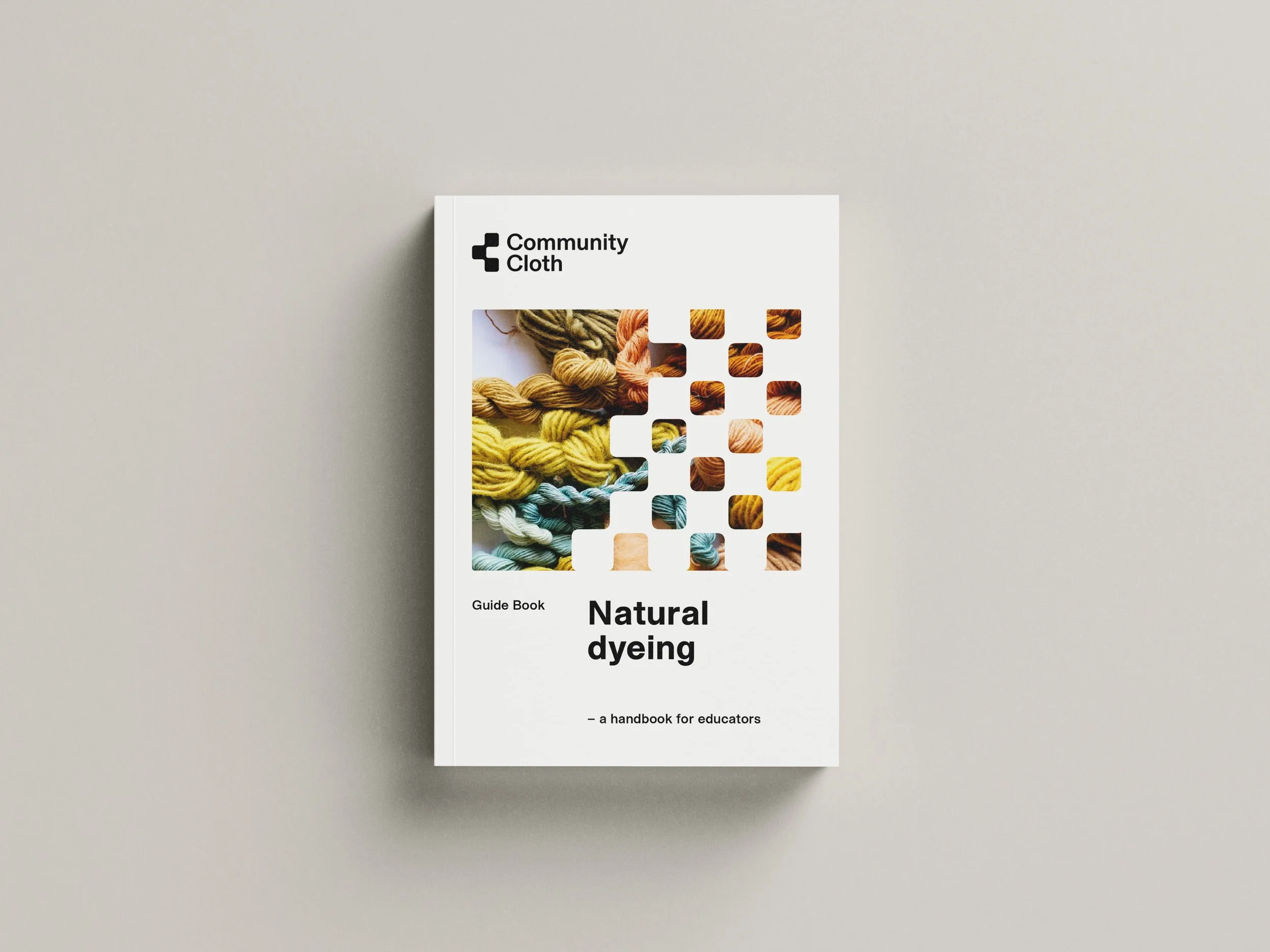
The CommunityCloth handbooks were developed to support our educators following their training. Two technical manuals were produced, one on small-scale wool processing and the other on natural dyeing, and were distributed in both print and digital formats.




CommunityCloth Educational Activities
Throughout 2025, the educators we trained during the program were invited to organize and lead learning activities in their own communities to test and put into practice what they had learned in the program. Following the training, a digital community was created to enable these new educators to stay in touch with one another and with their mentors, thereby further consolidating the learning process. Saber Fazer also provided tools and equipment to help organize the activities.