Saber Fazer in Serralves
Serralves Foundation (Porto), 2015-2017
Development of an annual educational program for the Serralves Foundation.
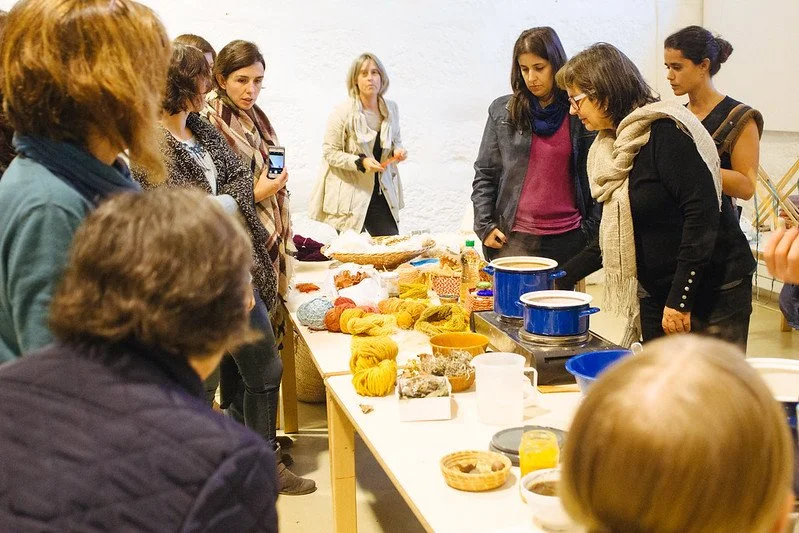
As part of this project, activities were carried out focused on the production of natural textile fibers and their processing techniques, as well as natural dyeing. The entire program was supported by the on-site production of raw materials, specifically wool from the Serralves farm’s flock, as well as flax, silk, and dye plants grown locally for this program.
The “Saber Fazer em Serralves” program was a pioneering initiative within the scope of our activities, providing us with valuable foundational knowledge that proved essential for many of the programs we developed thereafter.
Wool at Serralves
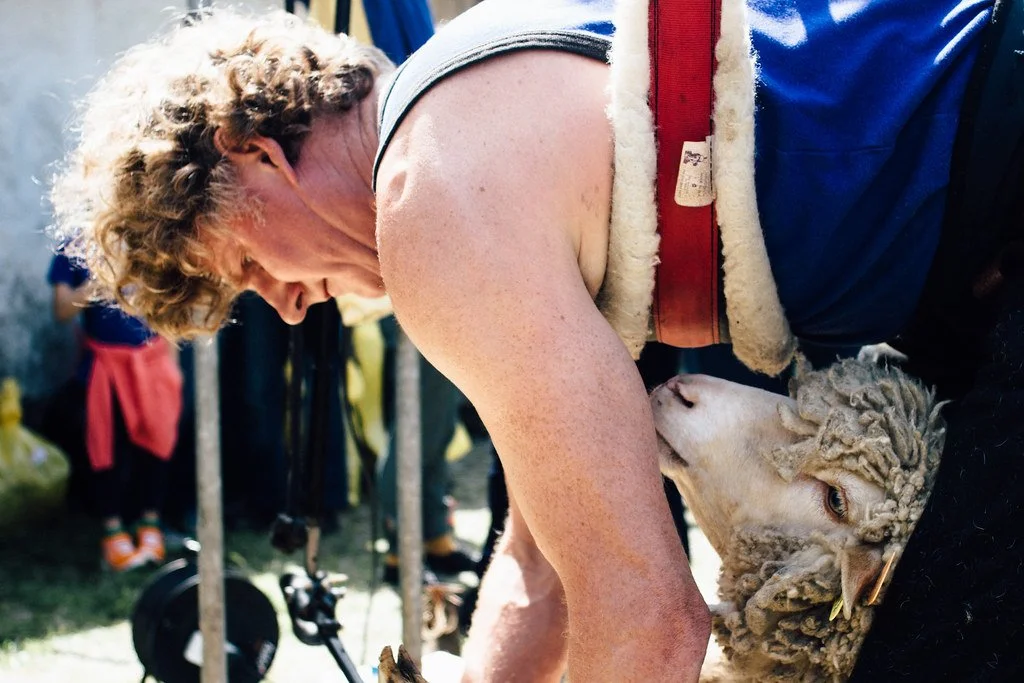
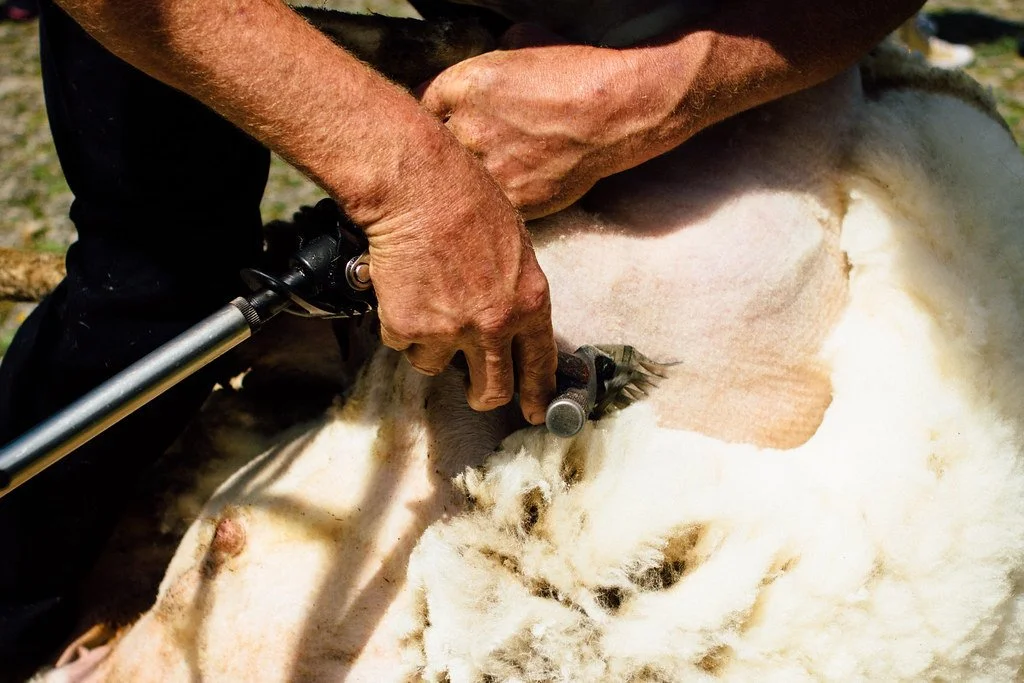
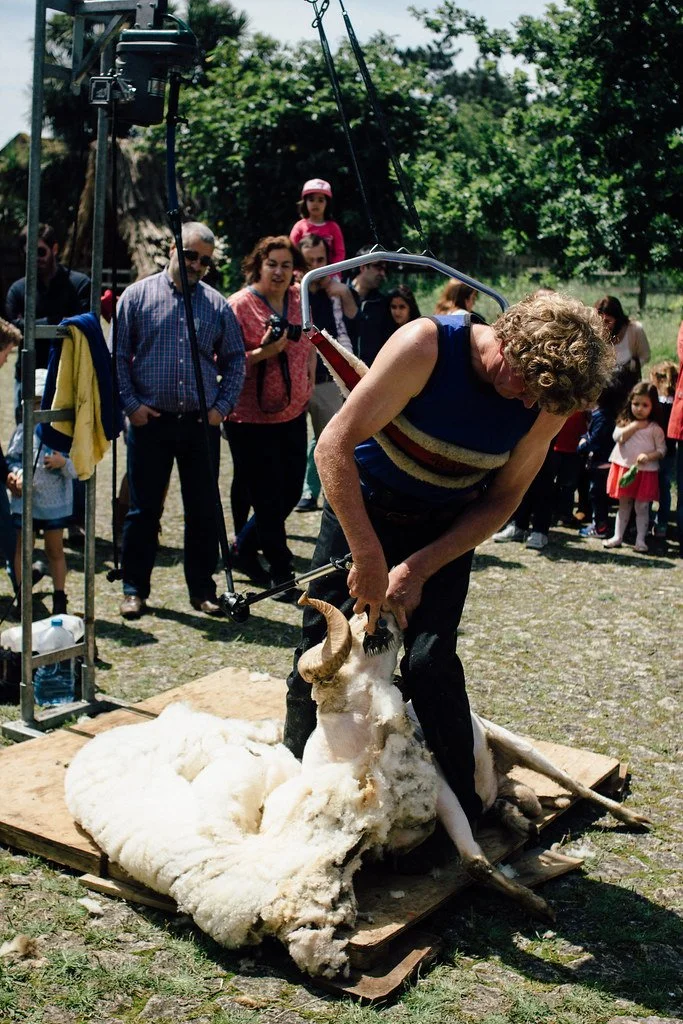
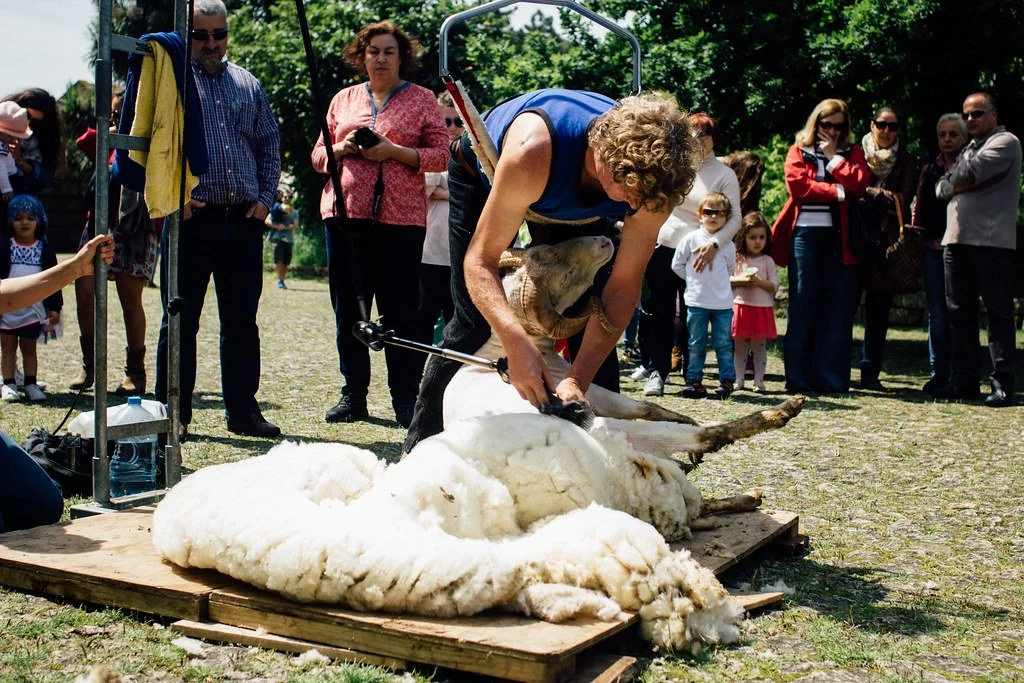
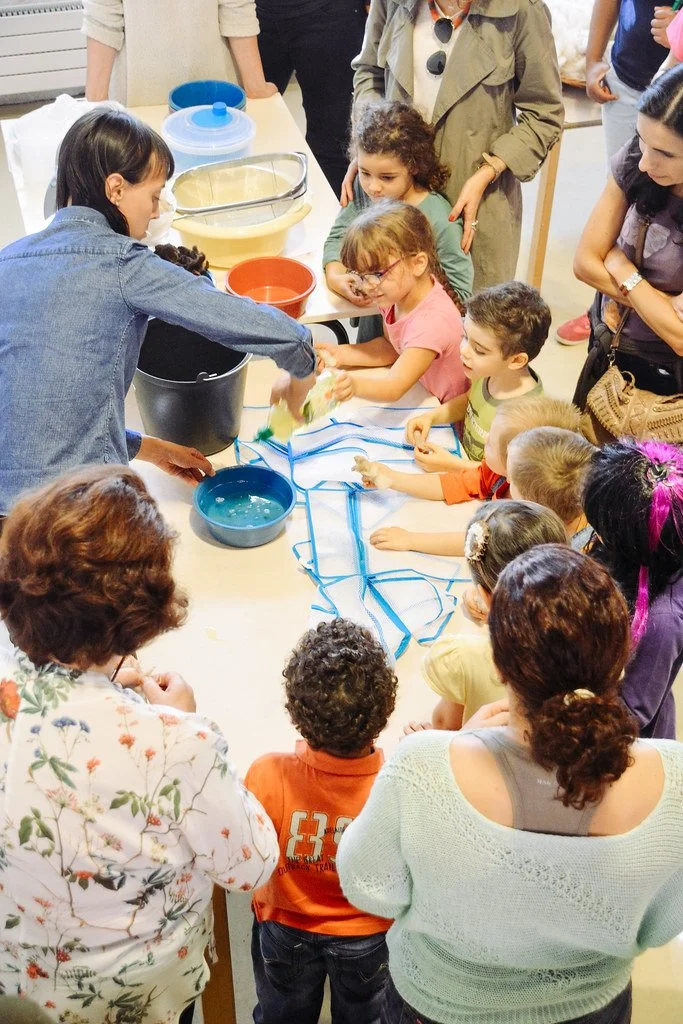
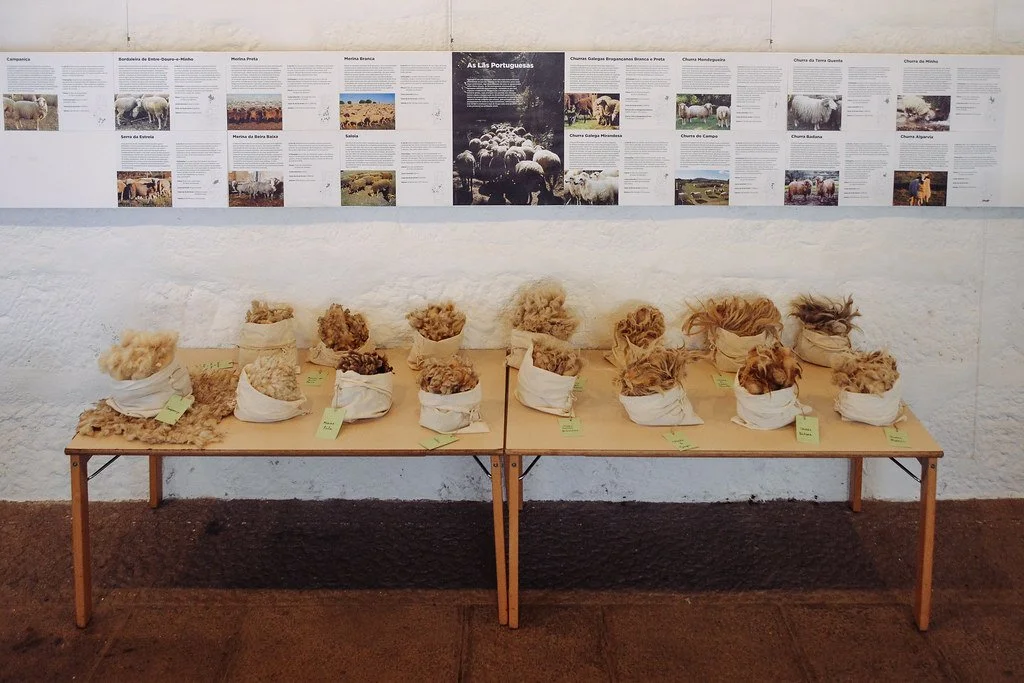
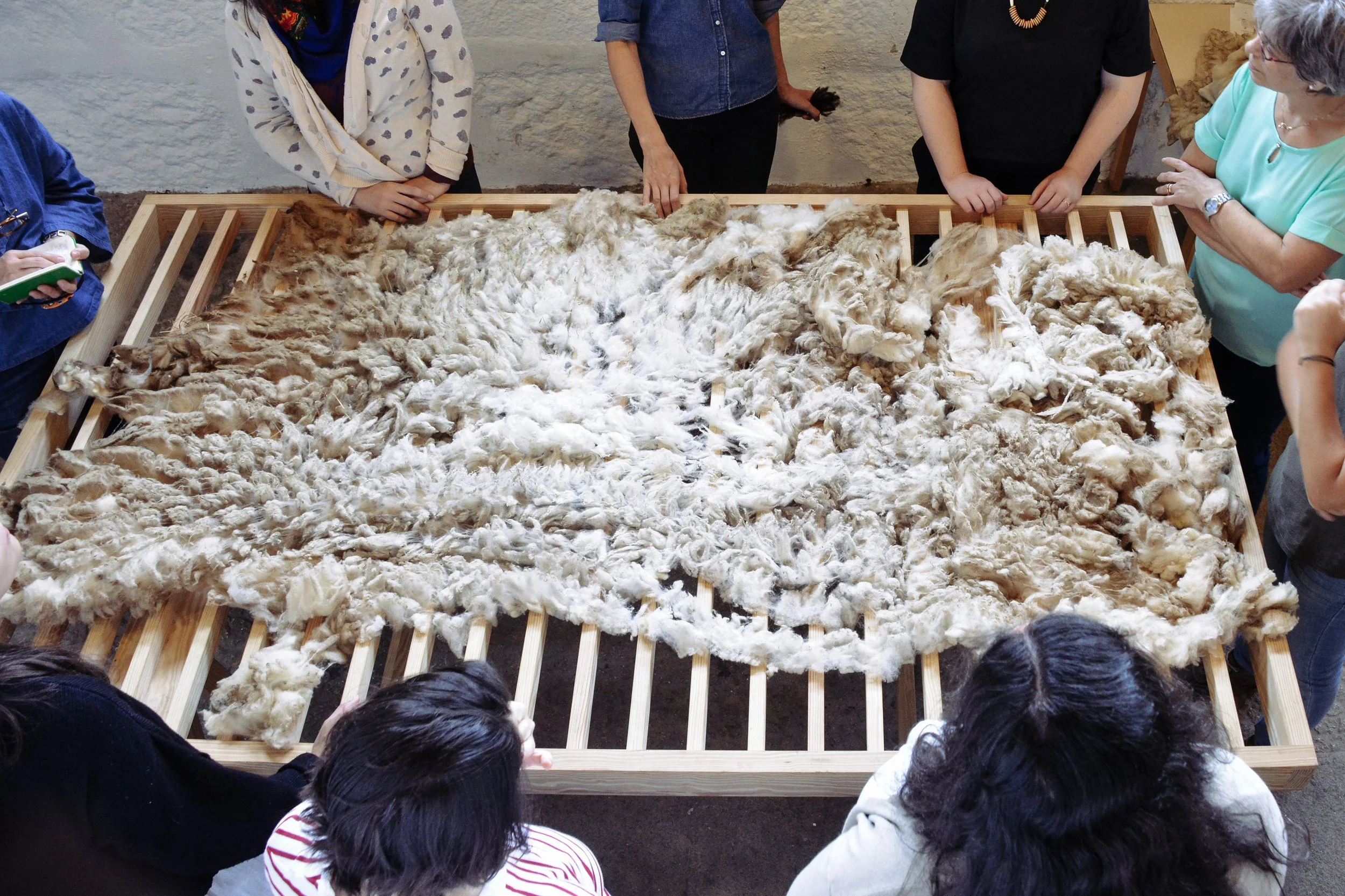
As part of our focus on wool, we invited a professional shearer to the Serralves farm for the first time, holding the farm’s first public shearing demonstration as an educational event. The wool from the farm’s Bordaleira de Entre-Douro-e-Minho sheep began to be treated as a valuable raw material and used to organize activities open to the general public at the Foundation.
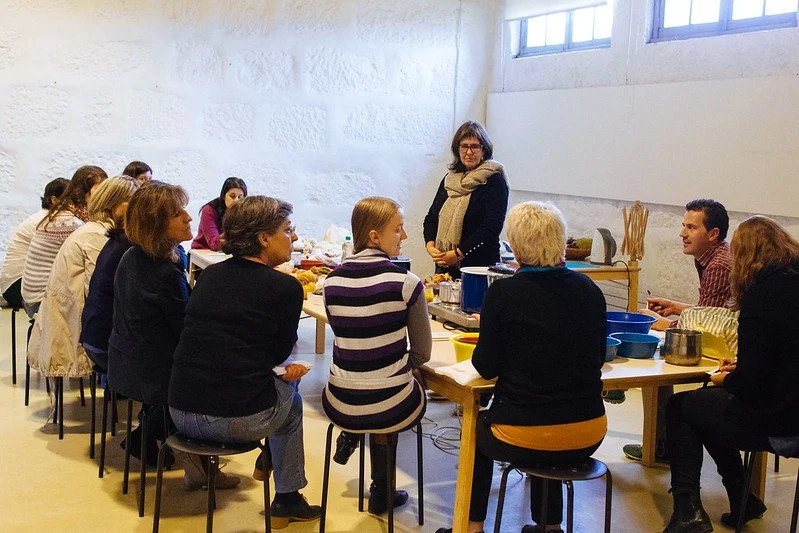
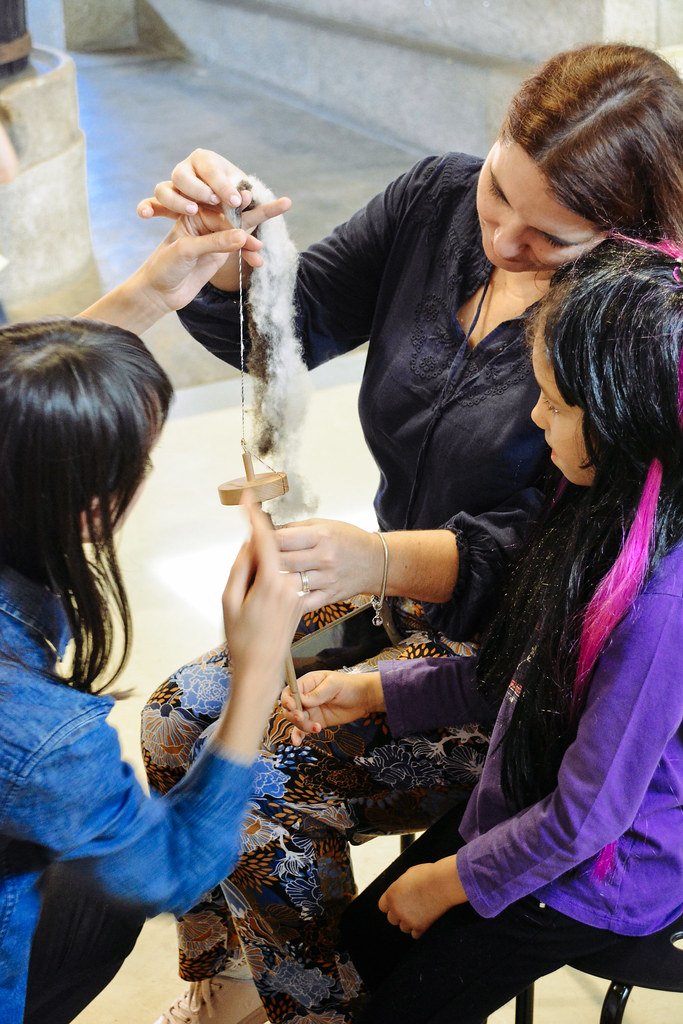
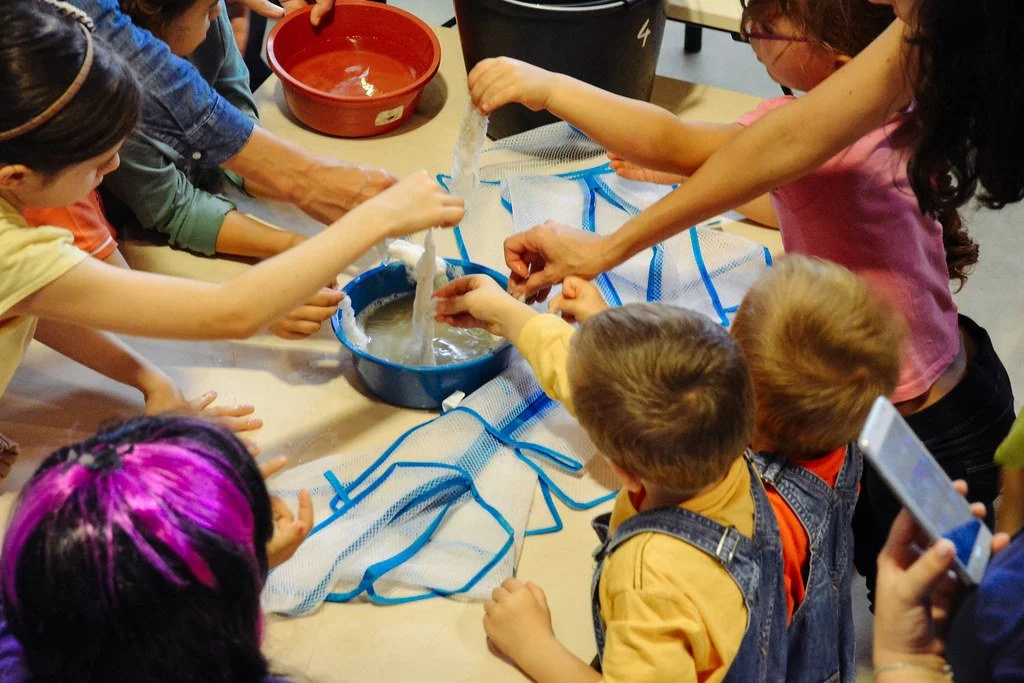
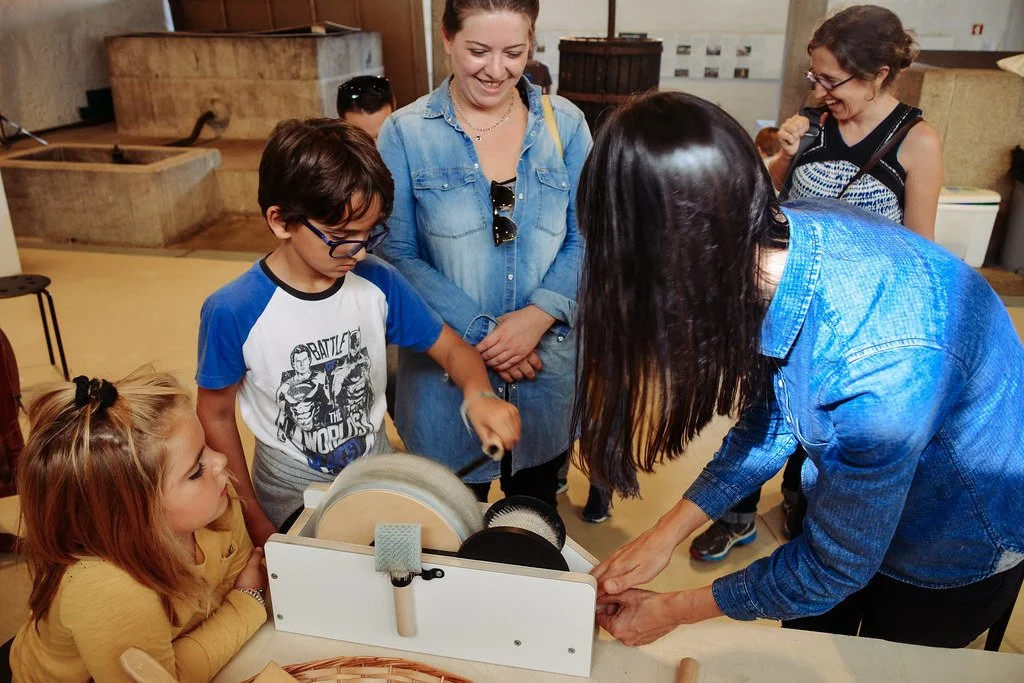
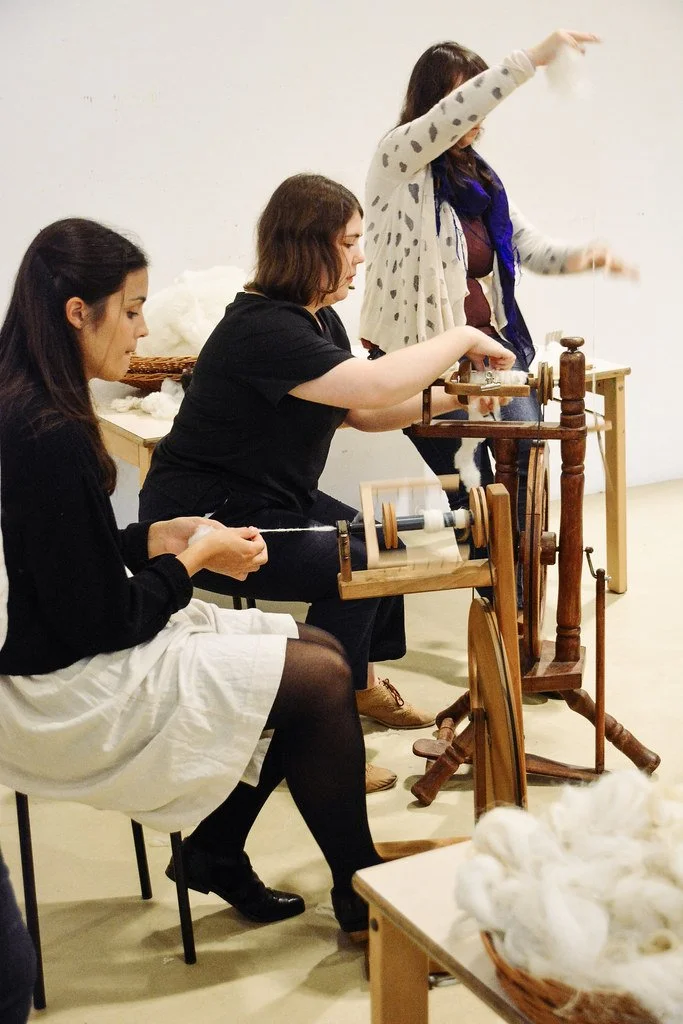
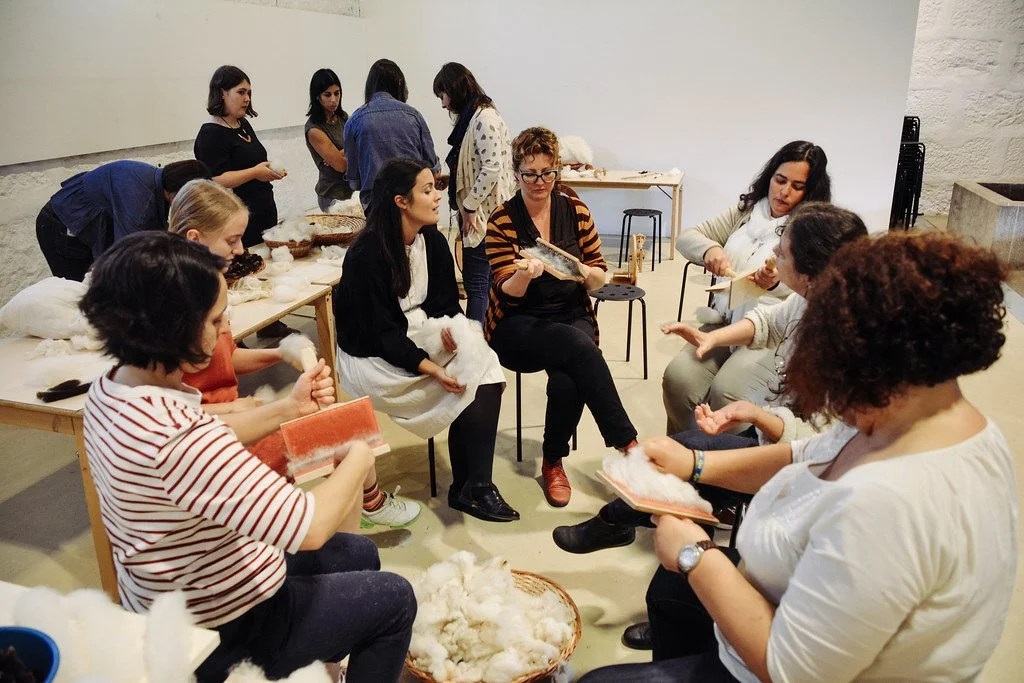
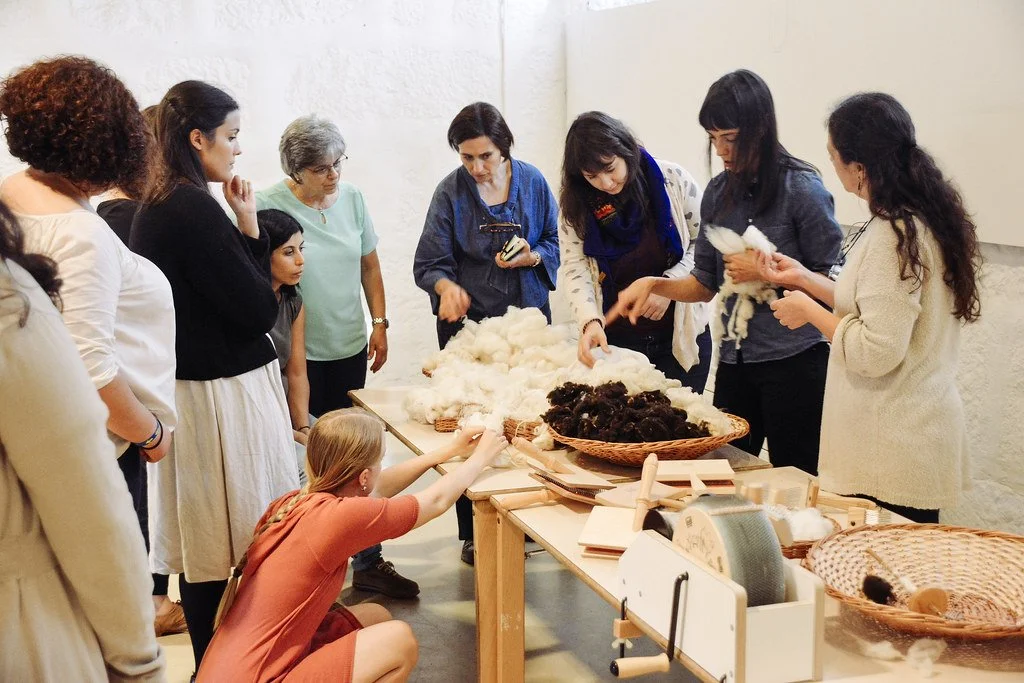
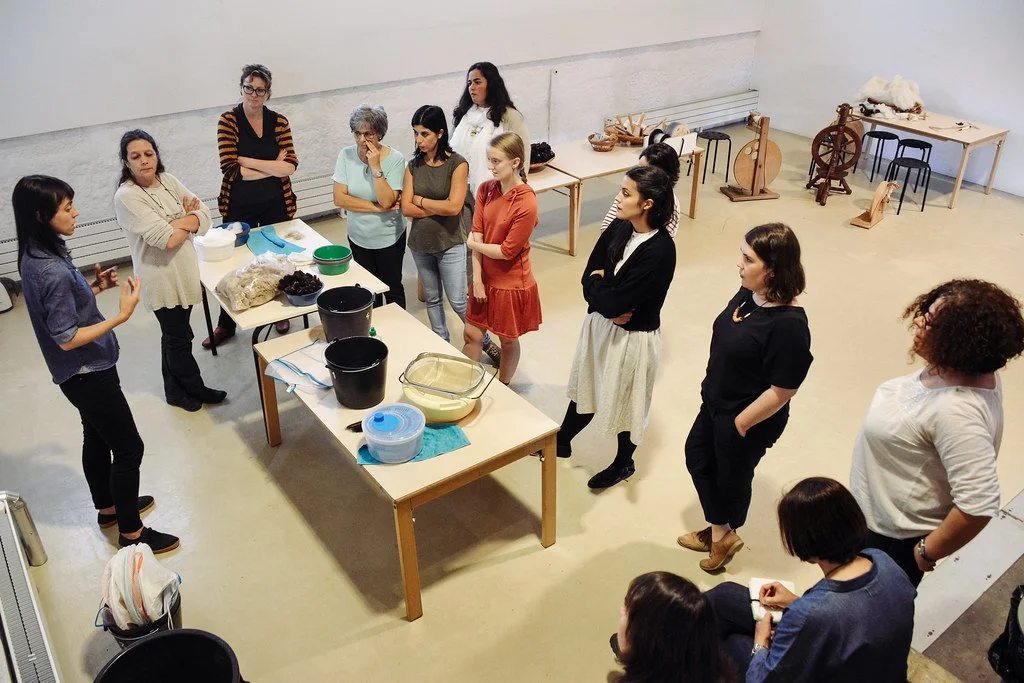
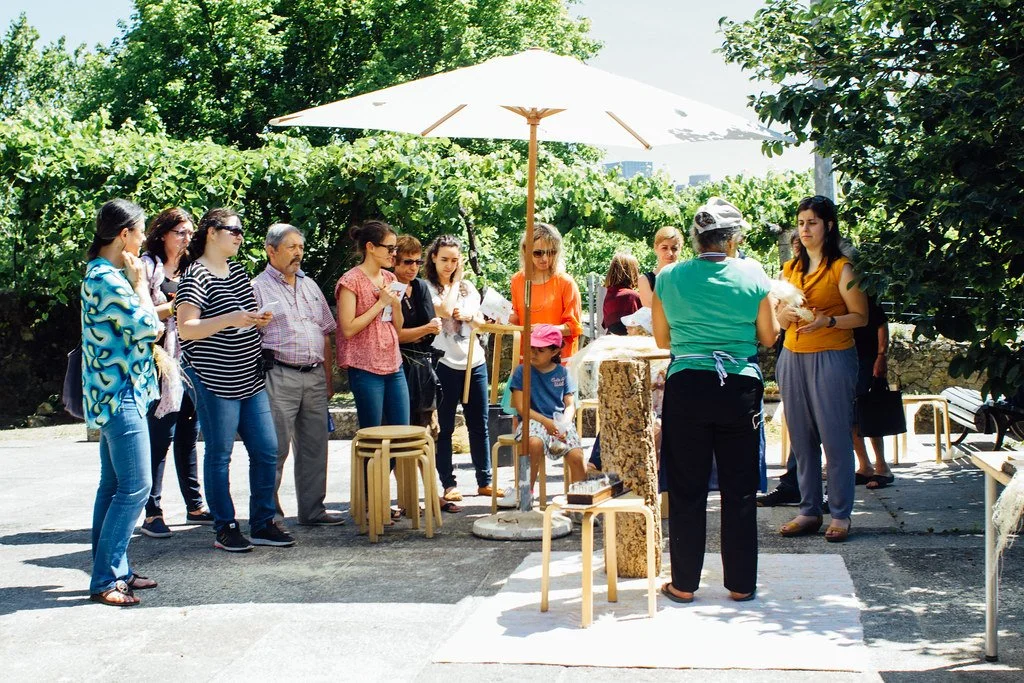
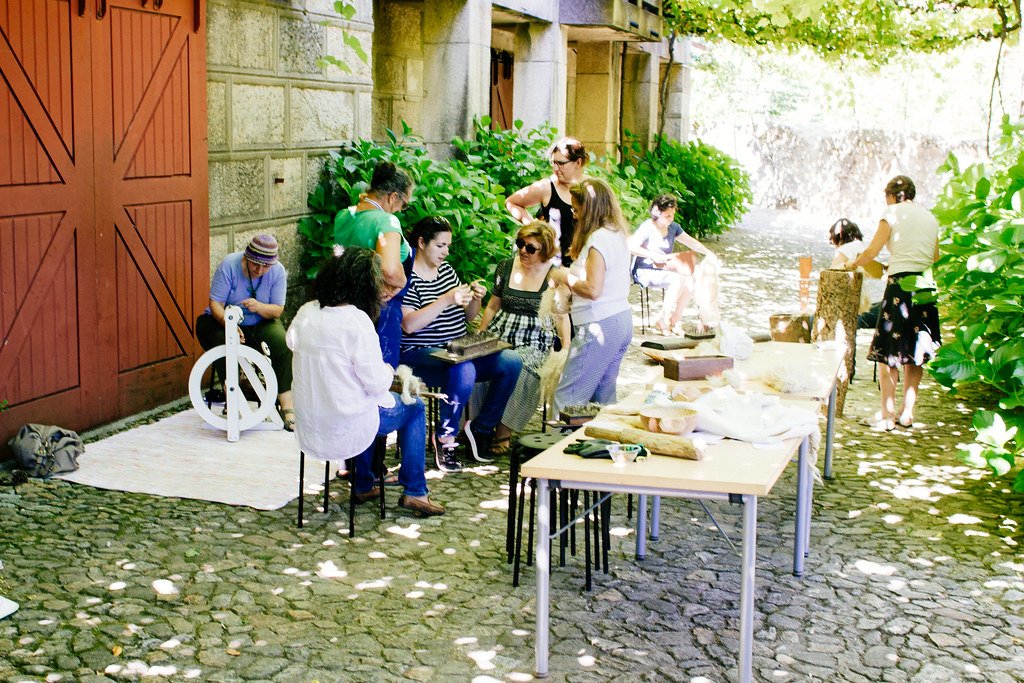
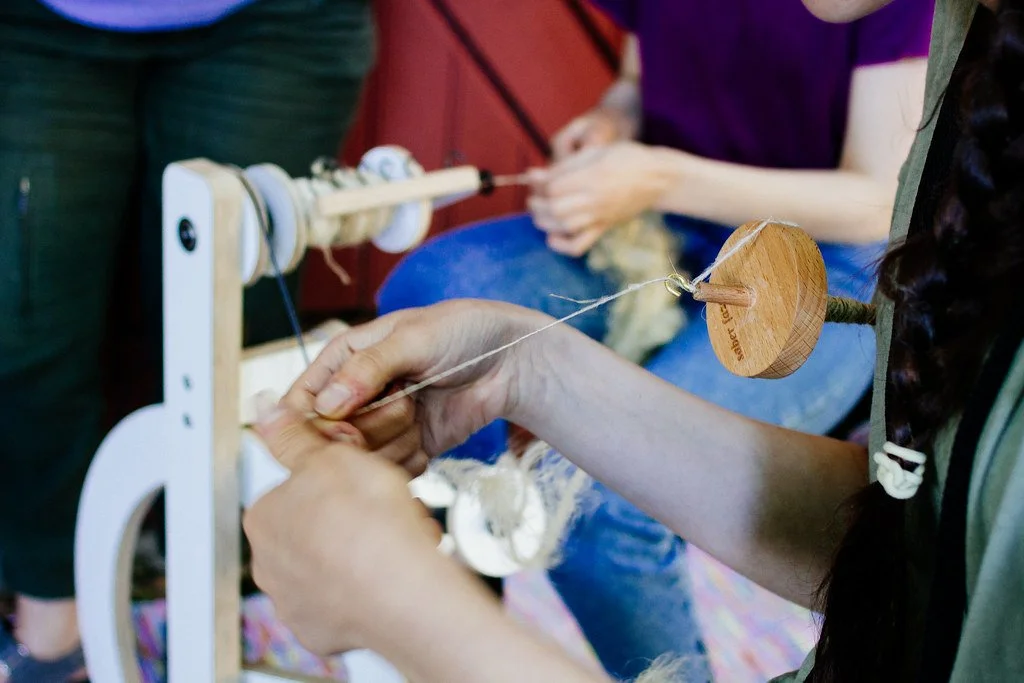
In the fall, workshops were held for families and adults on the topic of Portuguese wool and its processing techniques, using only wool produced on the farm.

Flax at Serralves
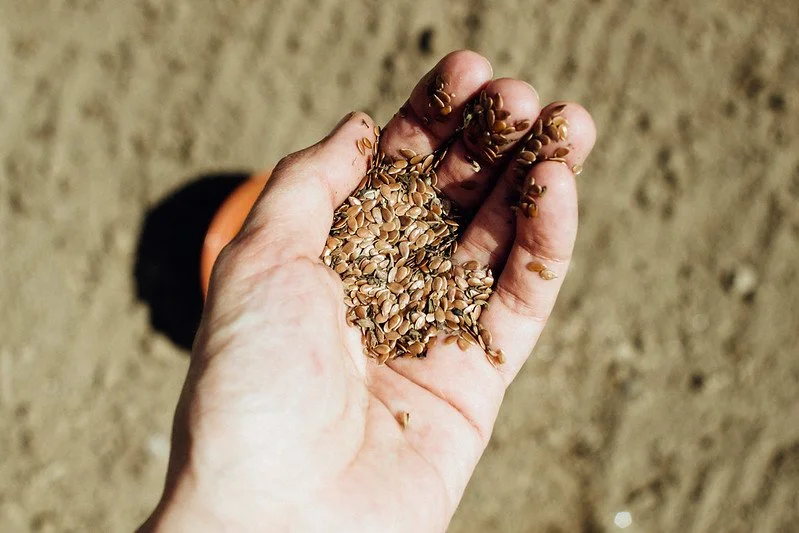
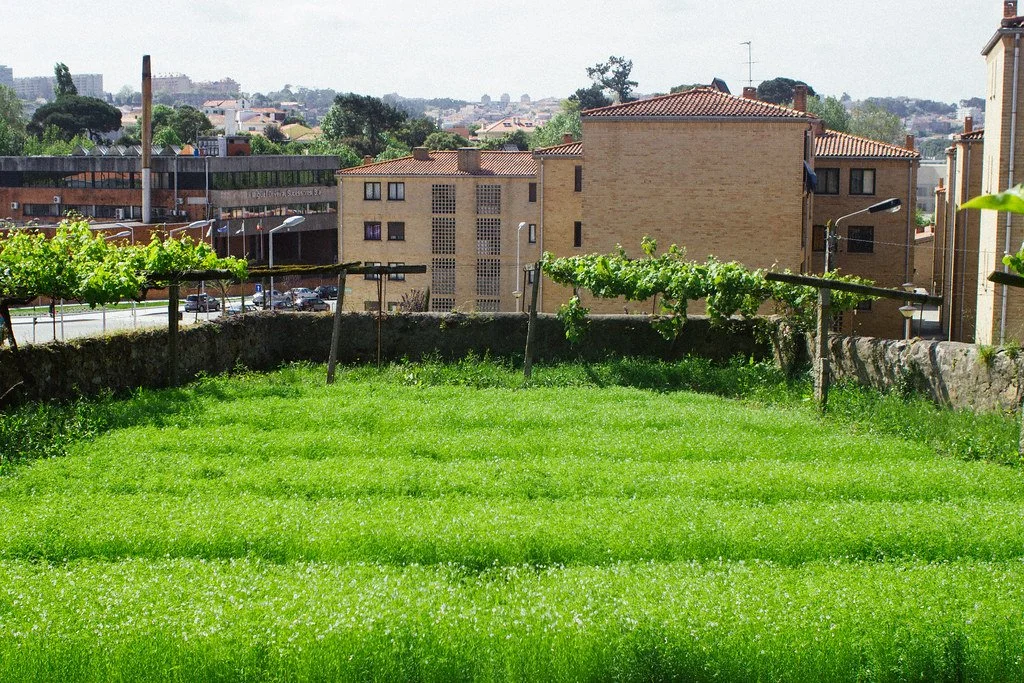
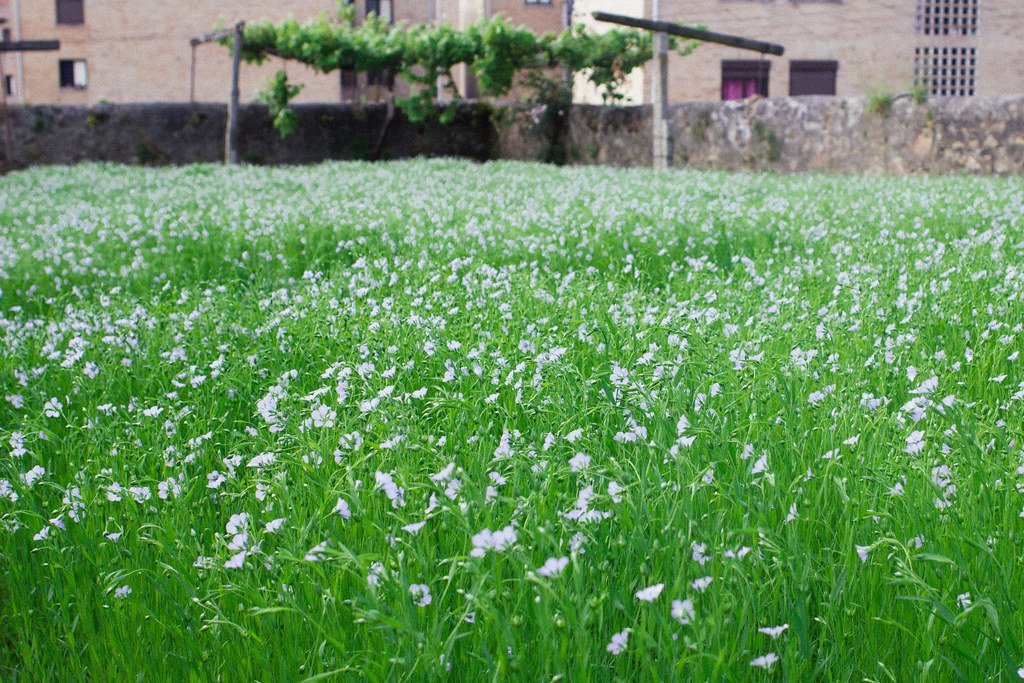
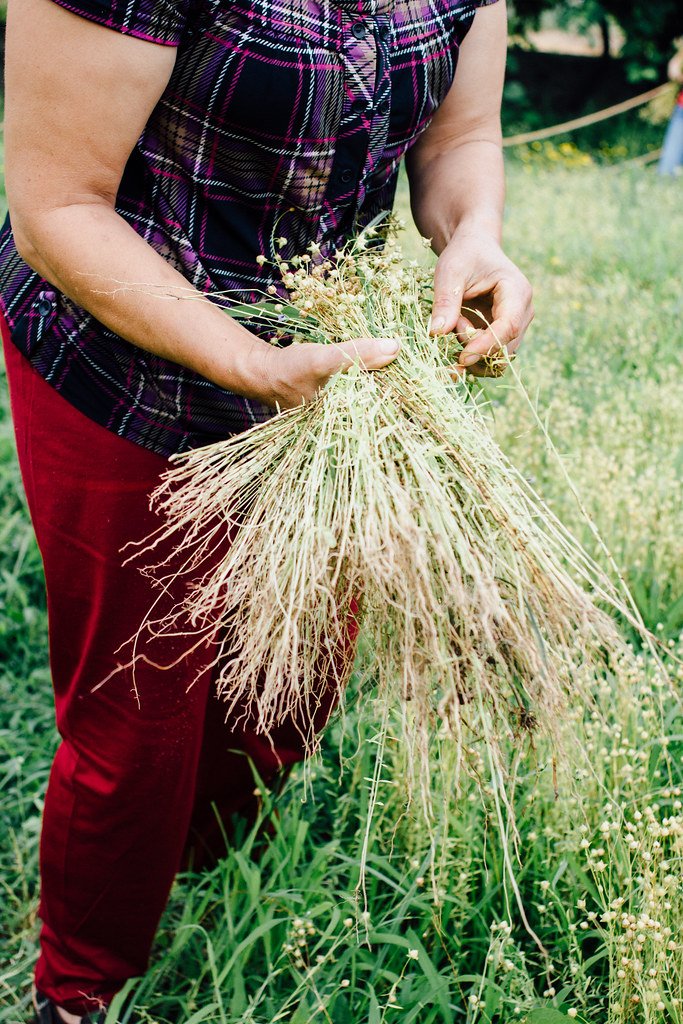
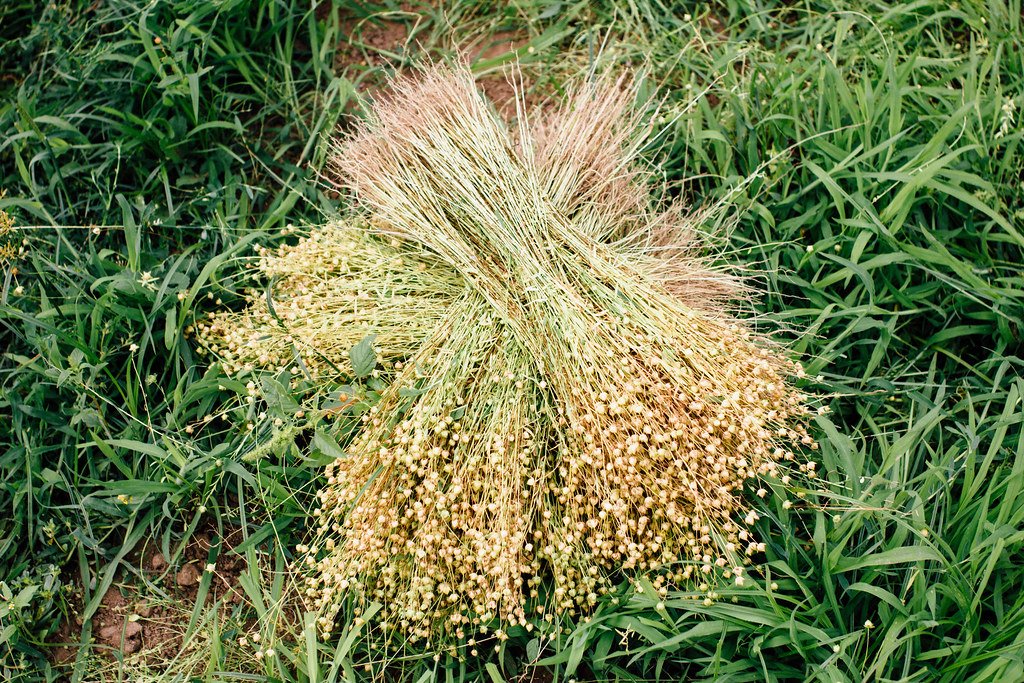
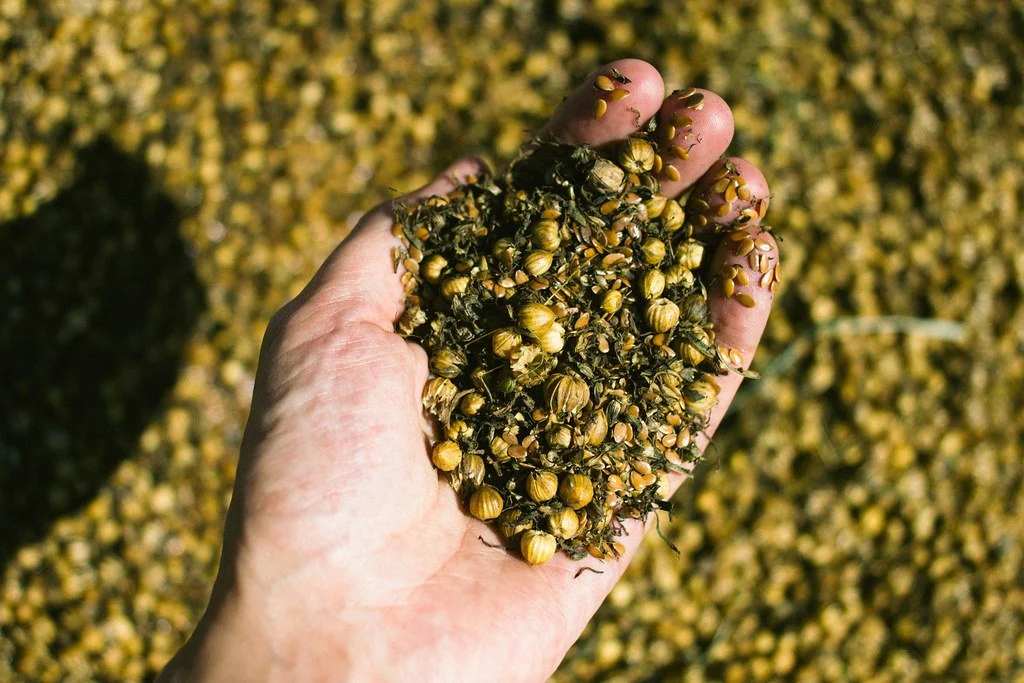
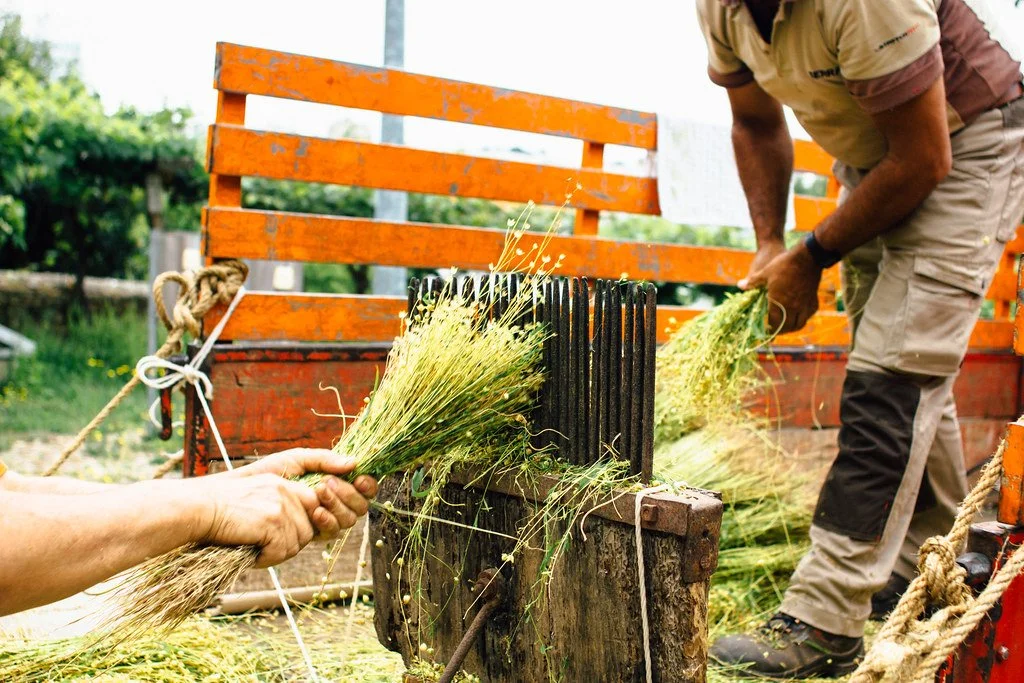
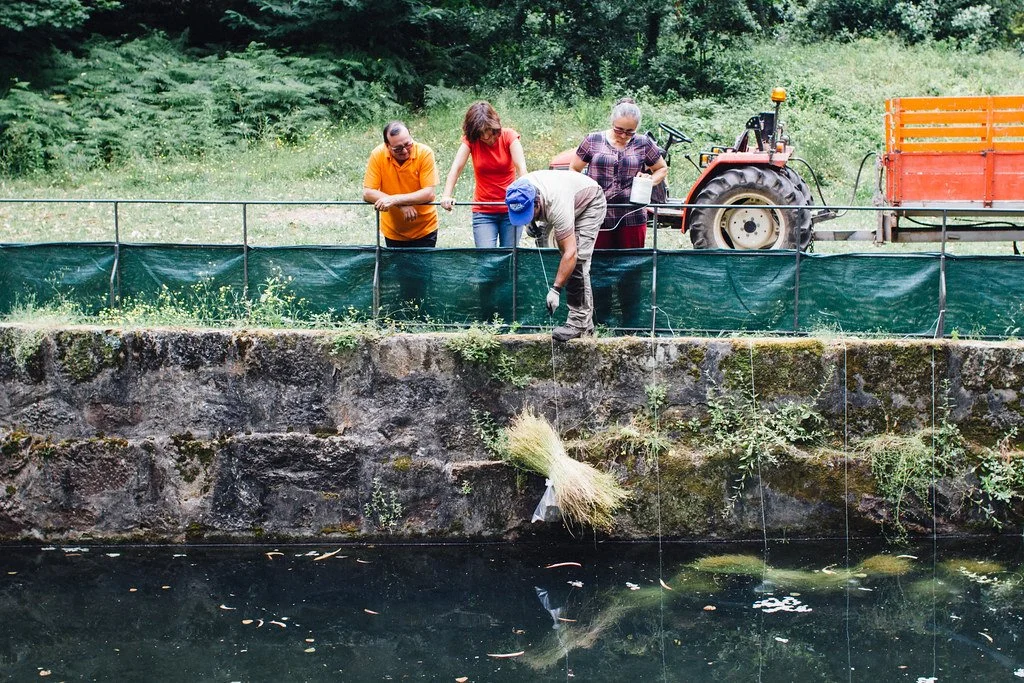
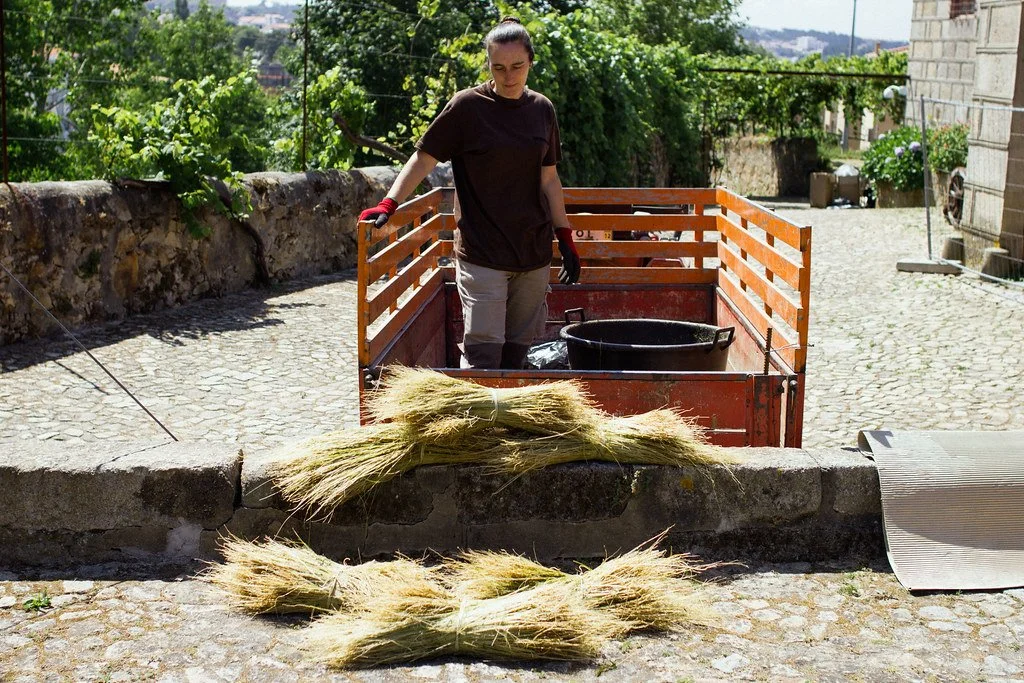
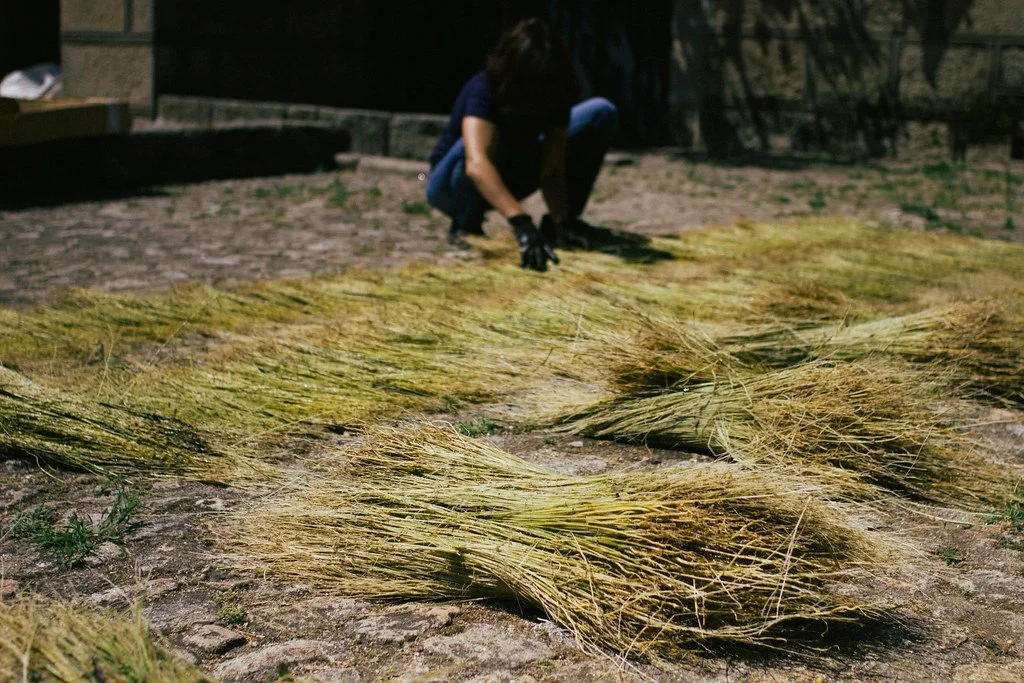
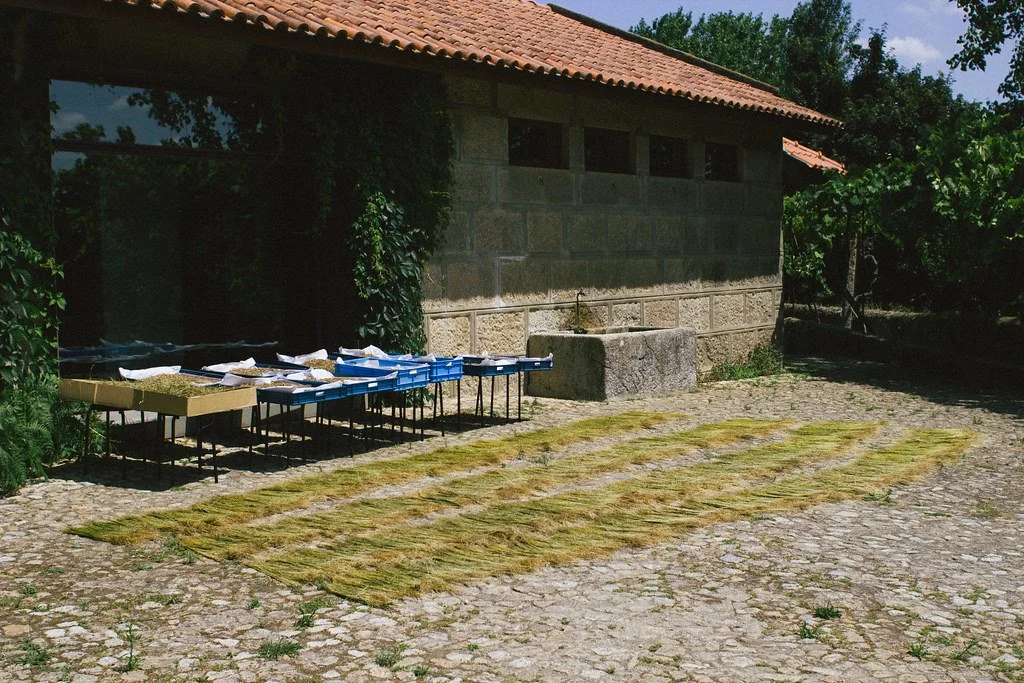
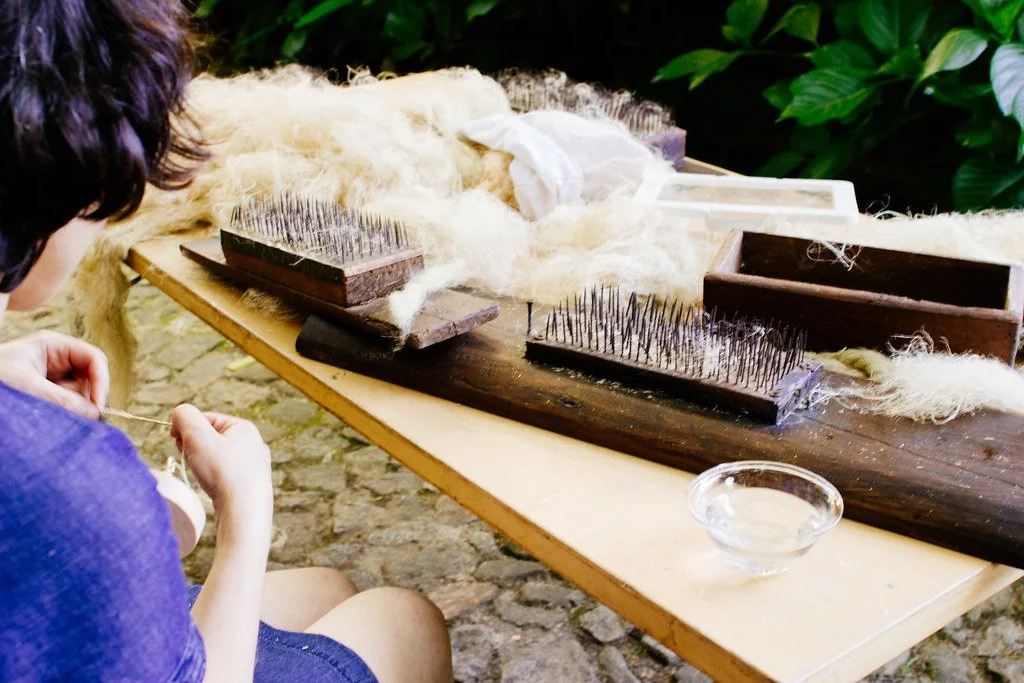
As part of the flax project, a plot of Galician flax was cultivated, and all the textile fiber was processed on the Serralves farm itself. The implementation of the flax cycle at Serralves has enabled the propagation and promotion of the rare Portuguese variety of Galician flax and the revitalization of workshops dedicated not only to flax processing but also to all aspects of biodiversity surrounding it.
Silk at Serralves
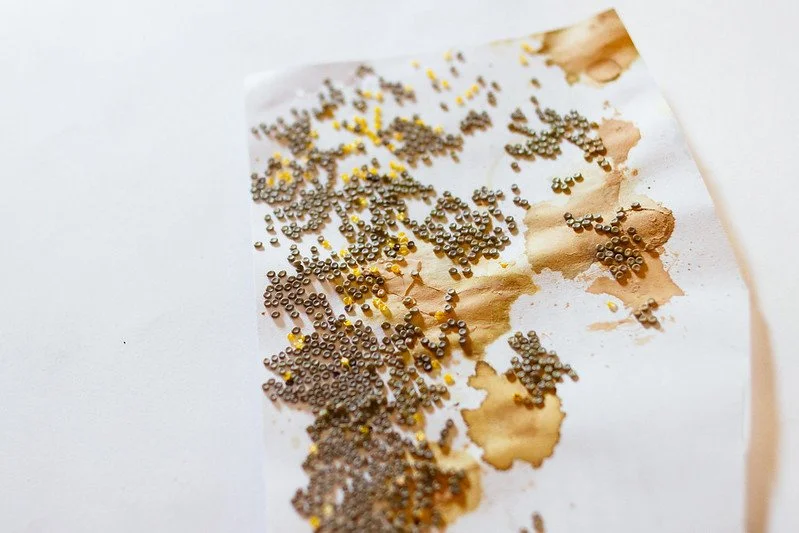
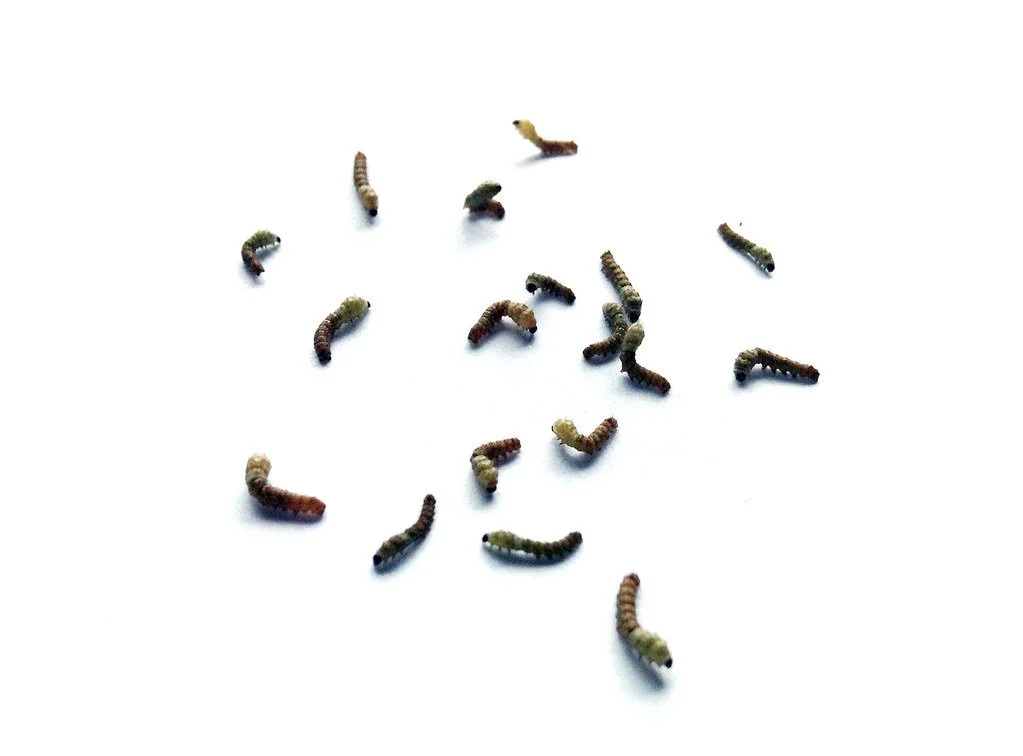
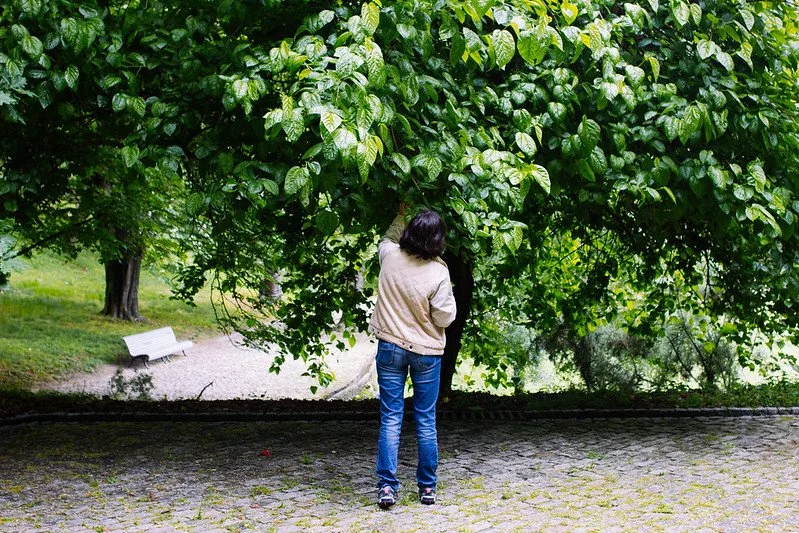
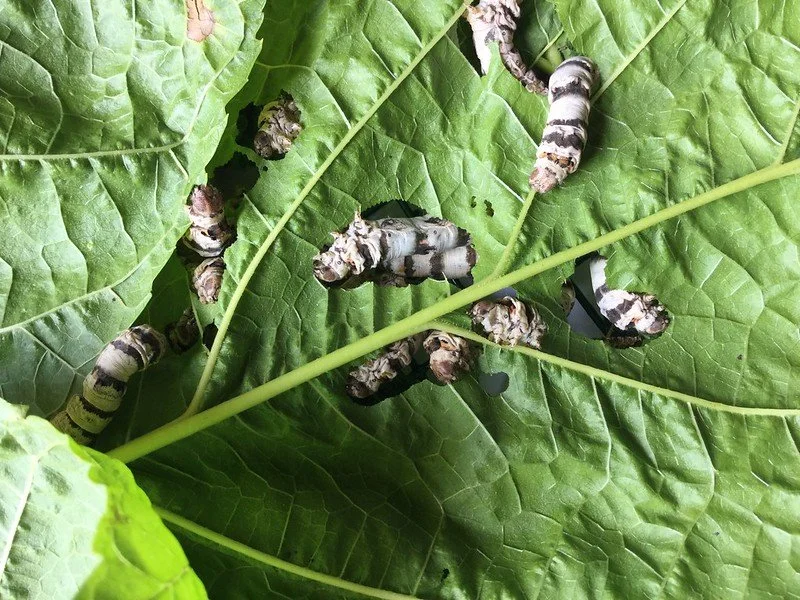
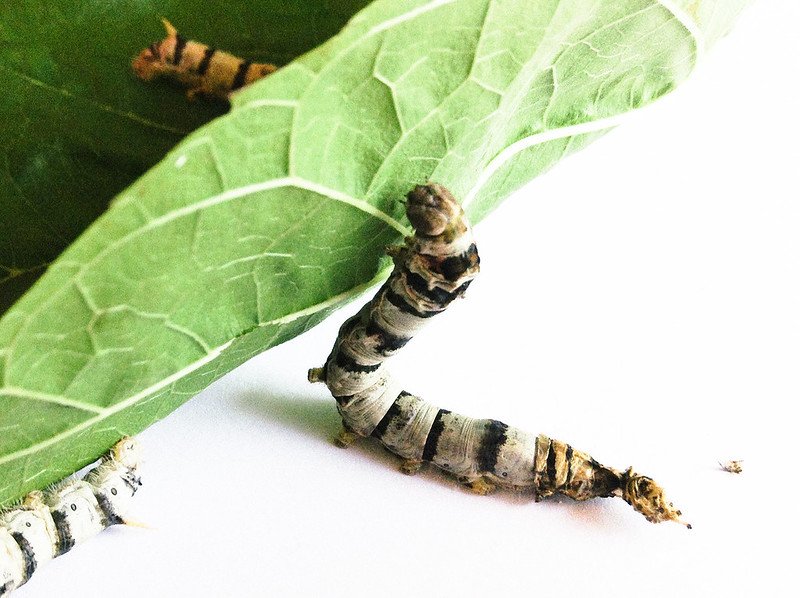
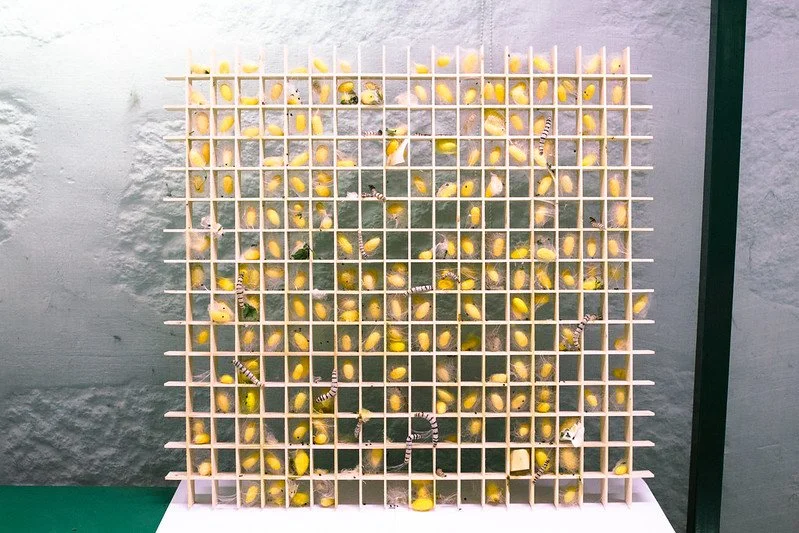
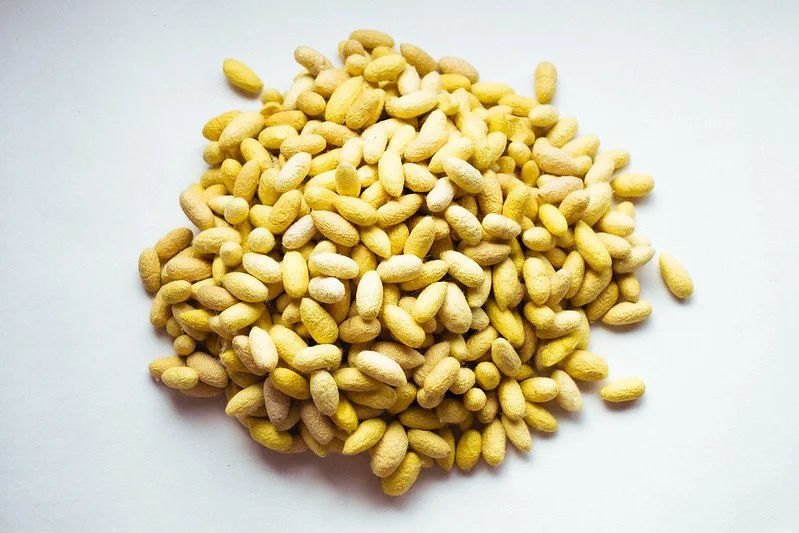
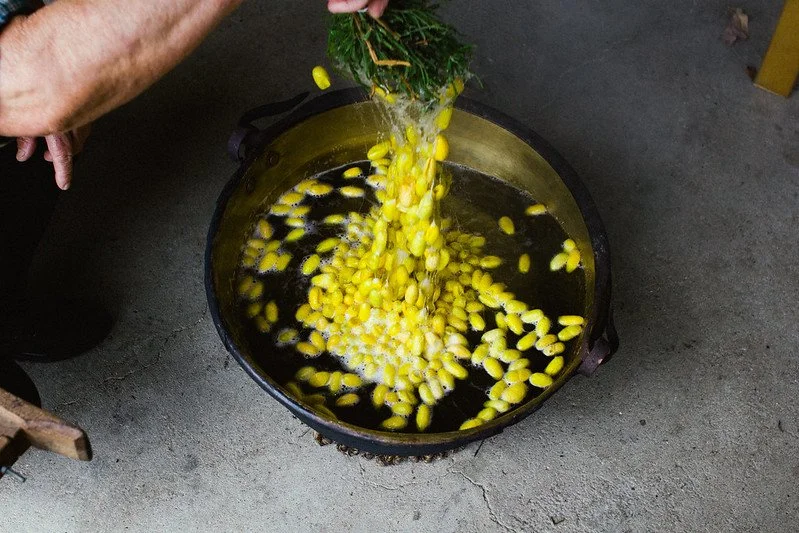
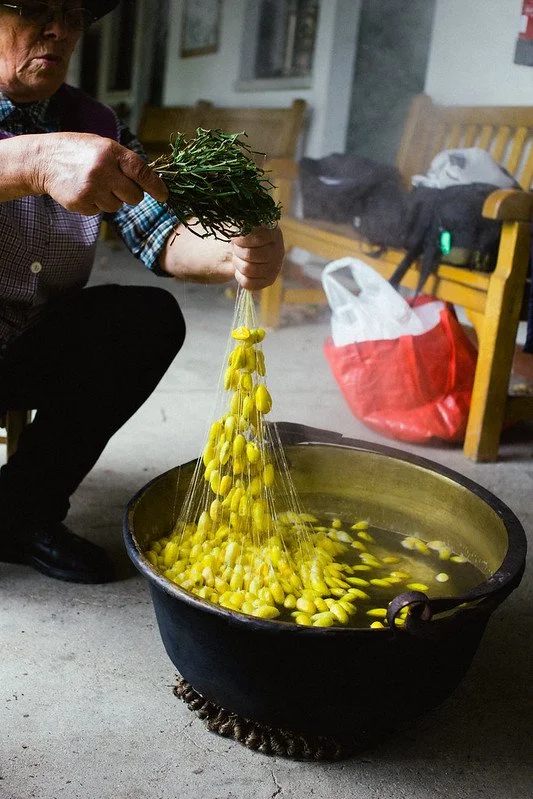
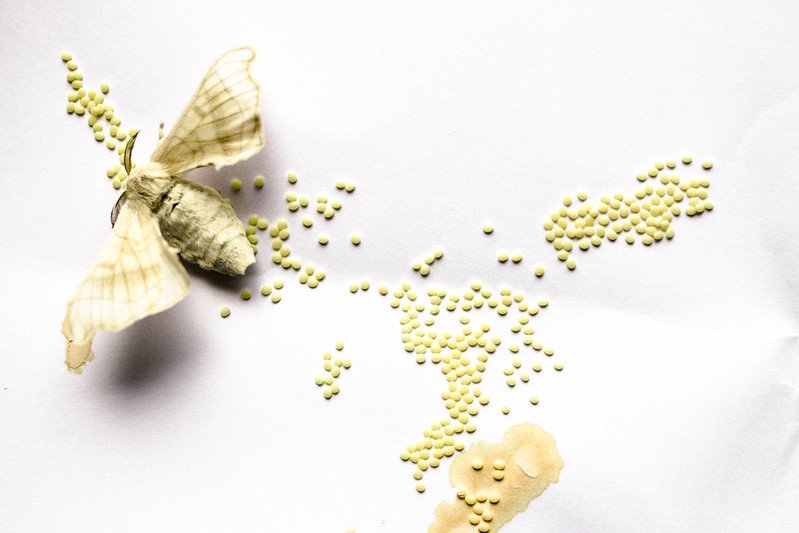
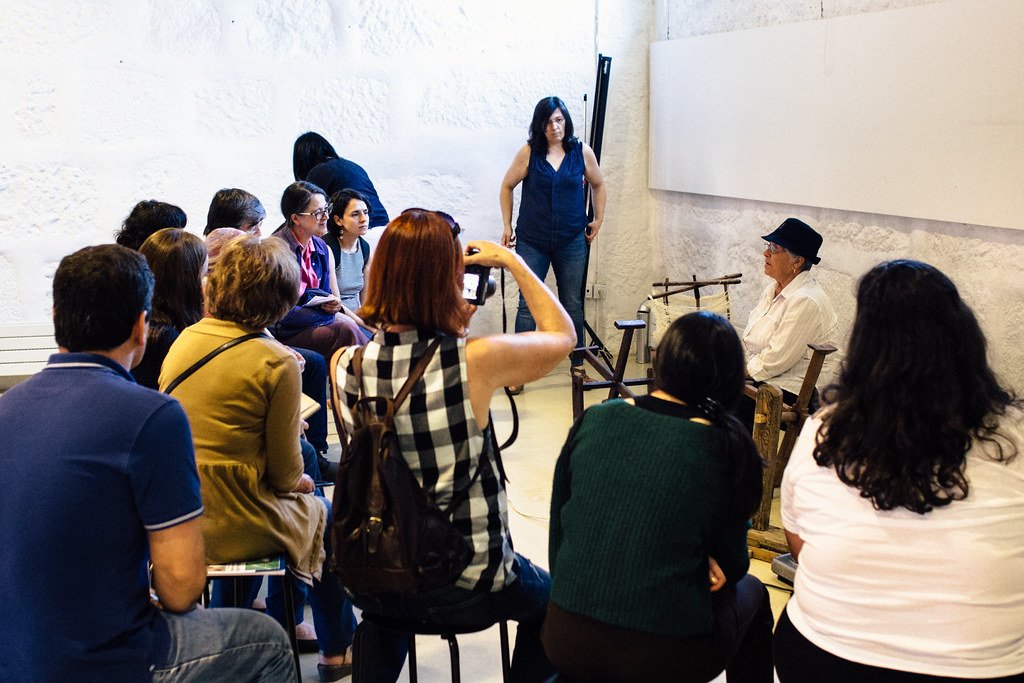
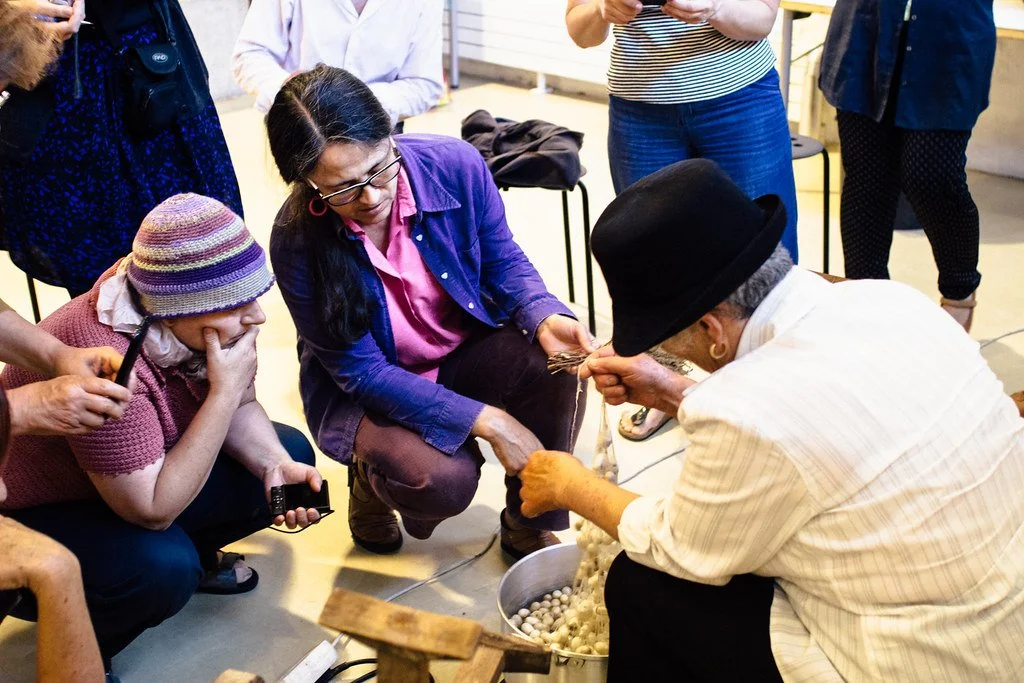
As part of the silk theme, the farm implemented a program covering the entire silk production cycle, from egg to thread. Since there are mulberry trees in the park, it was possible to carry out the cycle independently. At the end of the cycle, workshops were held on extracting thread from cocoons, with the participation of artisan Teresa Frade.
Natural Dyeing at Serralves
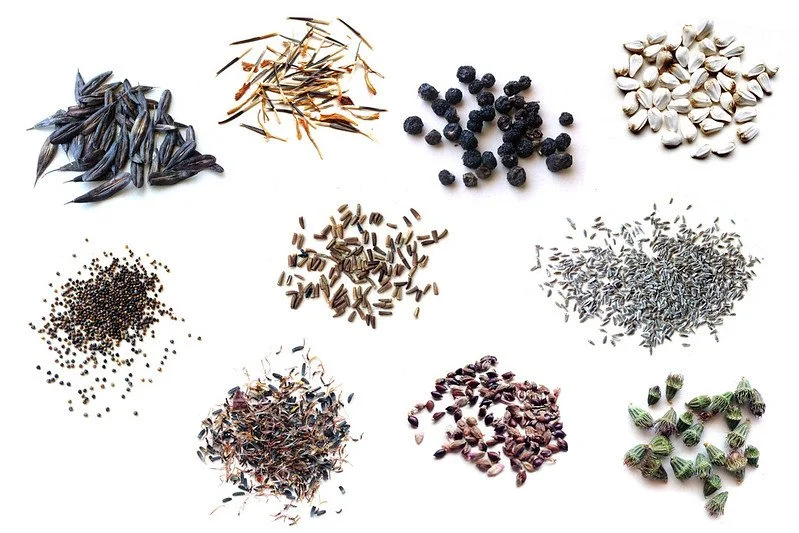
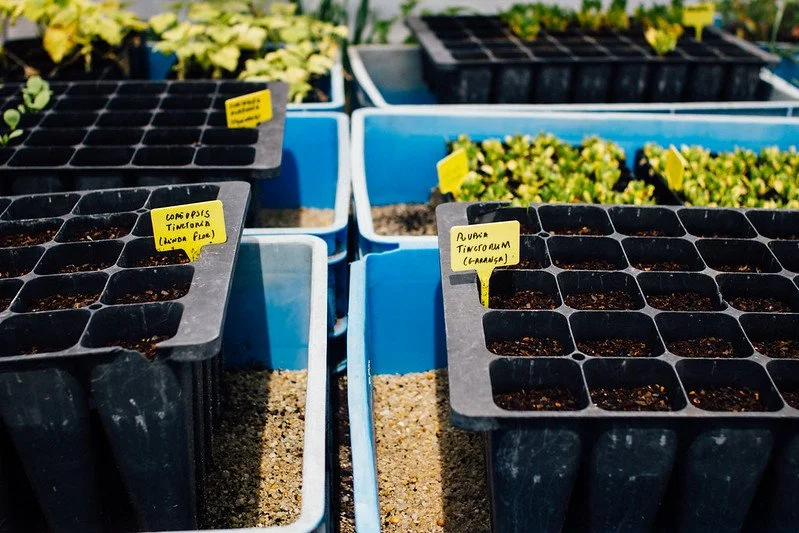
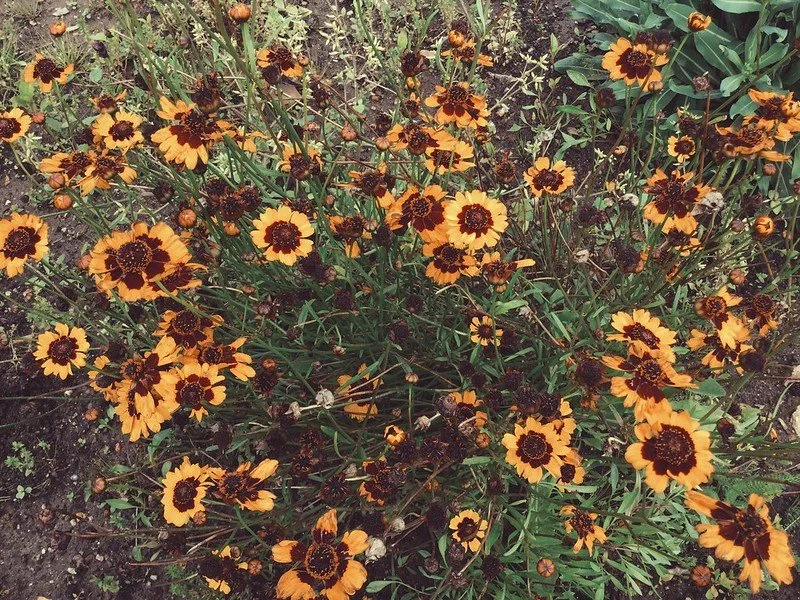
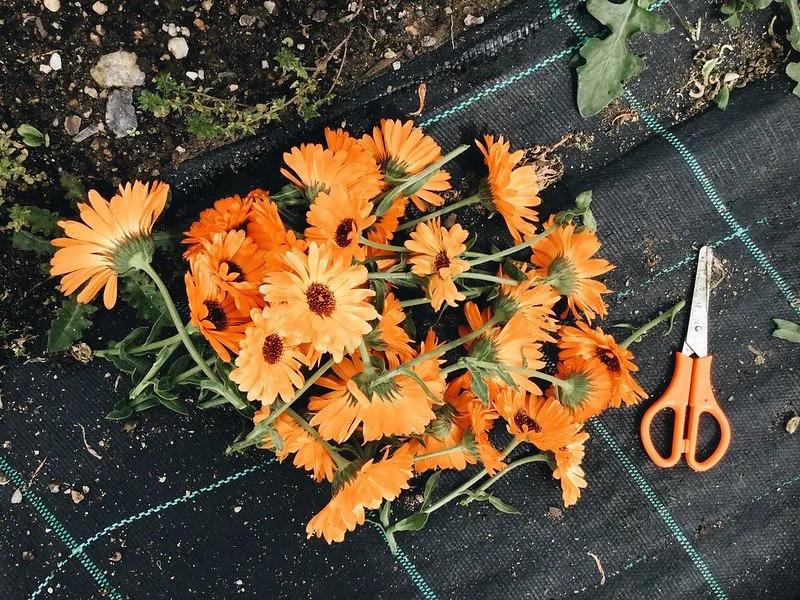
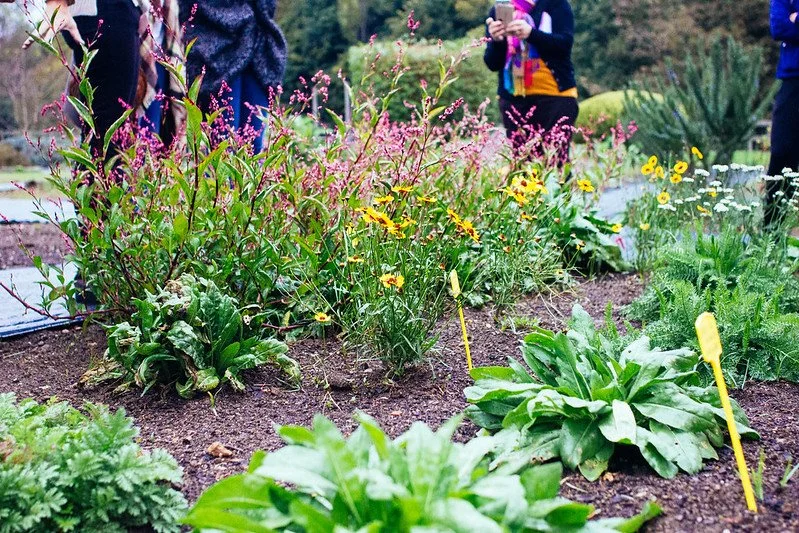
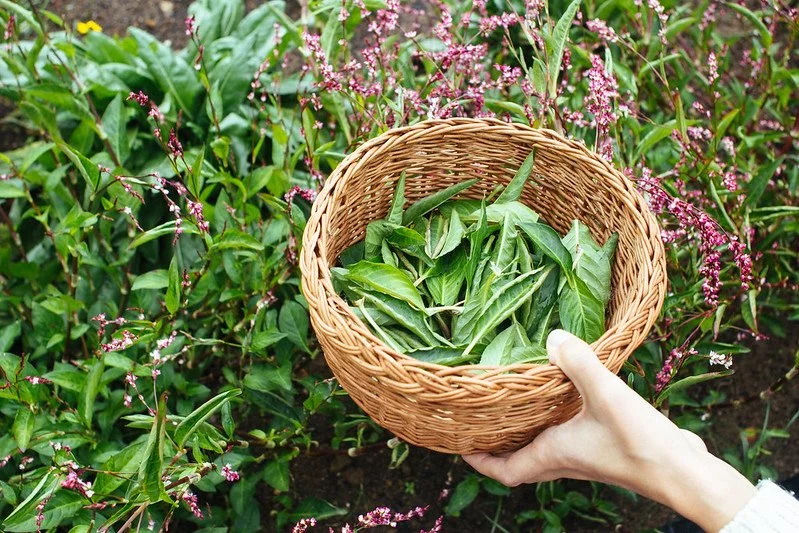
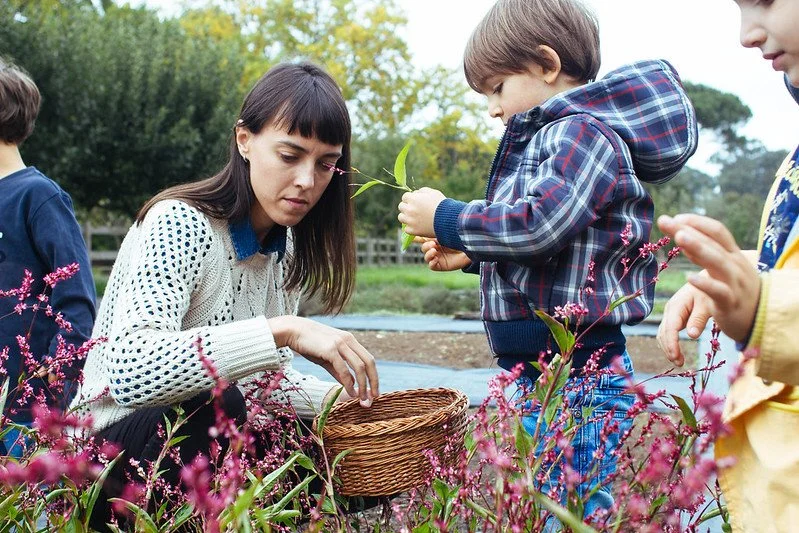
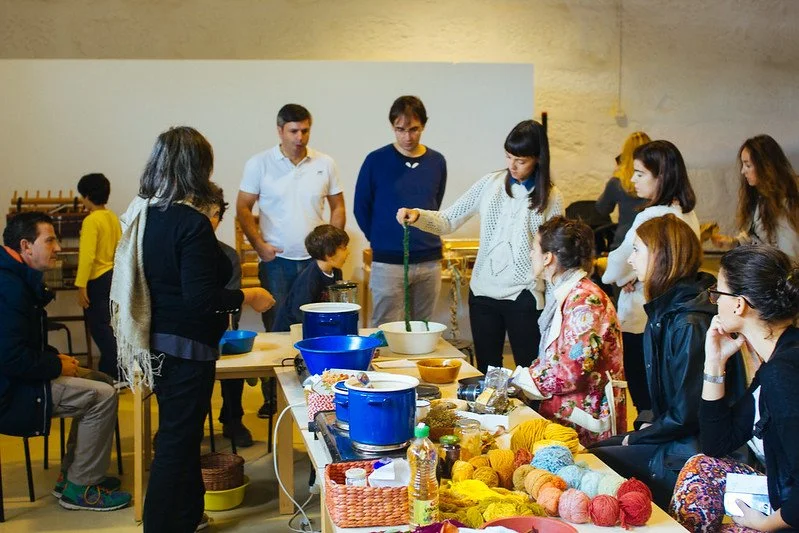
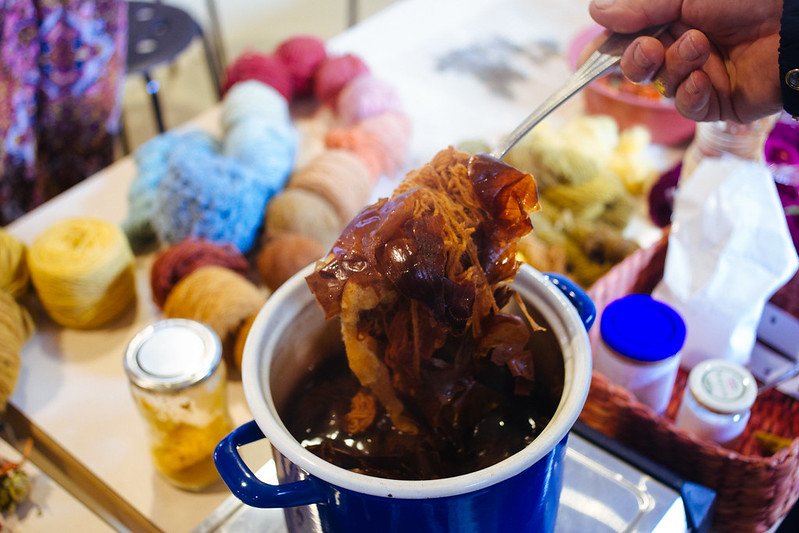
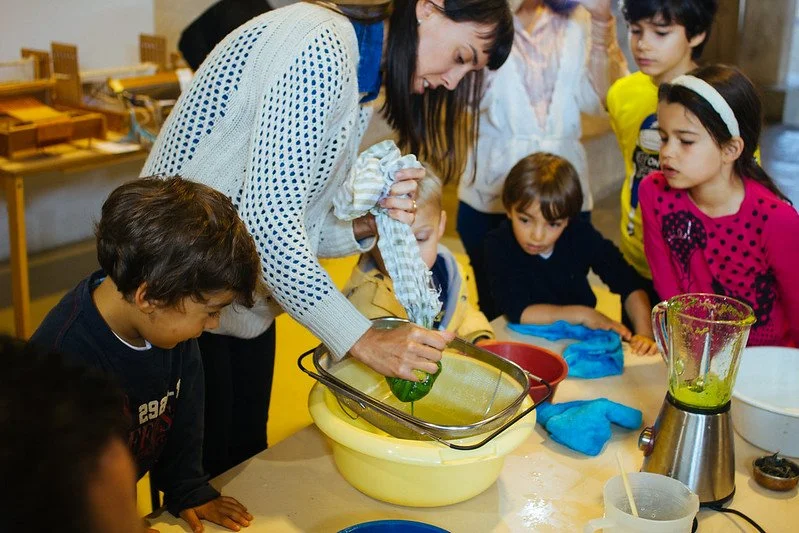
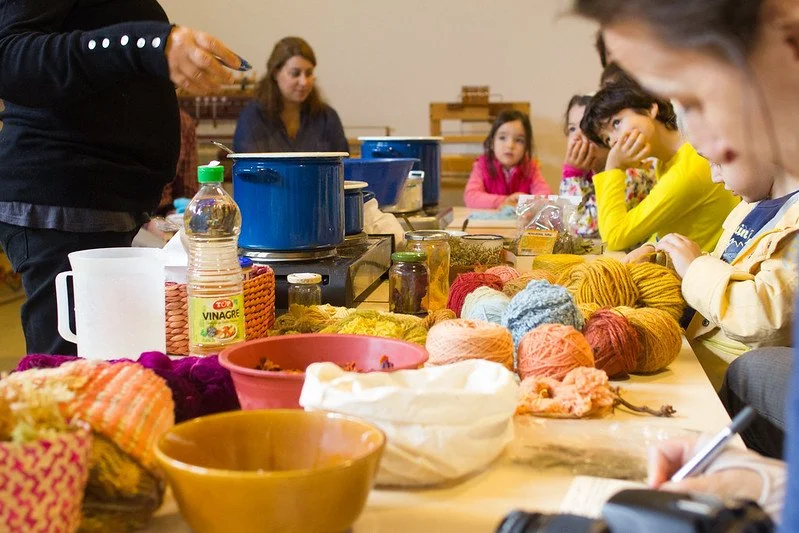
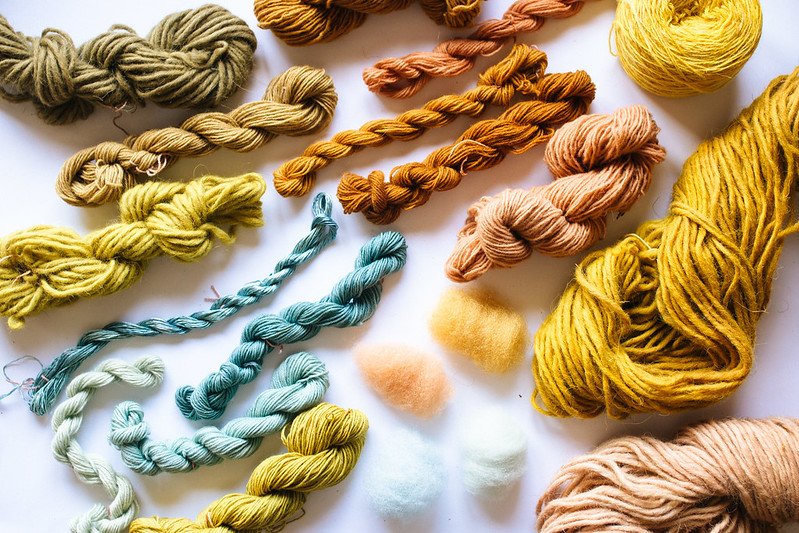
As part of the natural dyeing project, a dye plant garden was designed and established in the educational garden area of the Serralves farm. The list of cultivated plants included some less common species, such as woad, Japanese indigo, madder, and dyer’s lily, as well as more common plants like marigolds, single carnations, and coreopsis. The plants grown here made it possible to organize workshops on the topic of madder for families and adults, using only locally grown materials.