

Blog
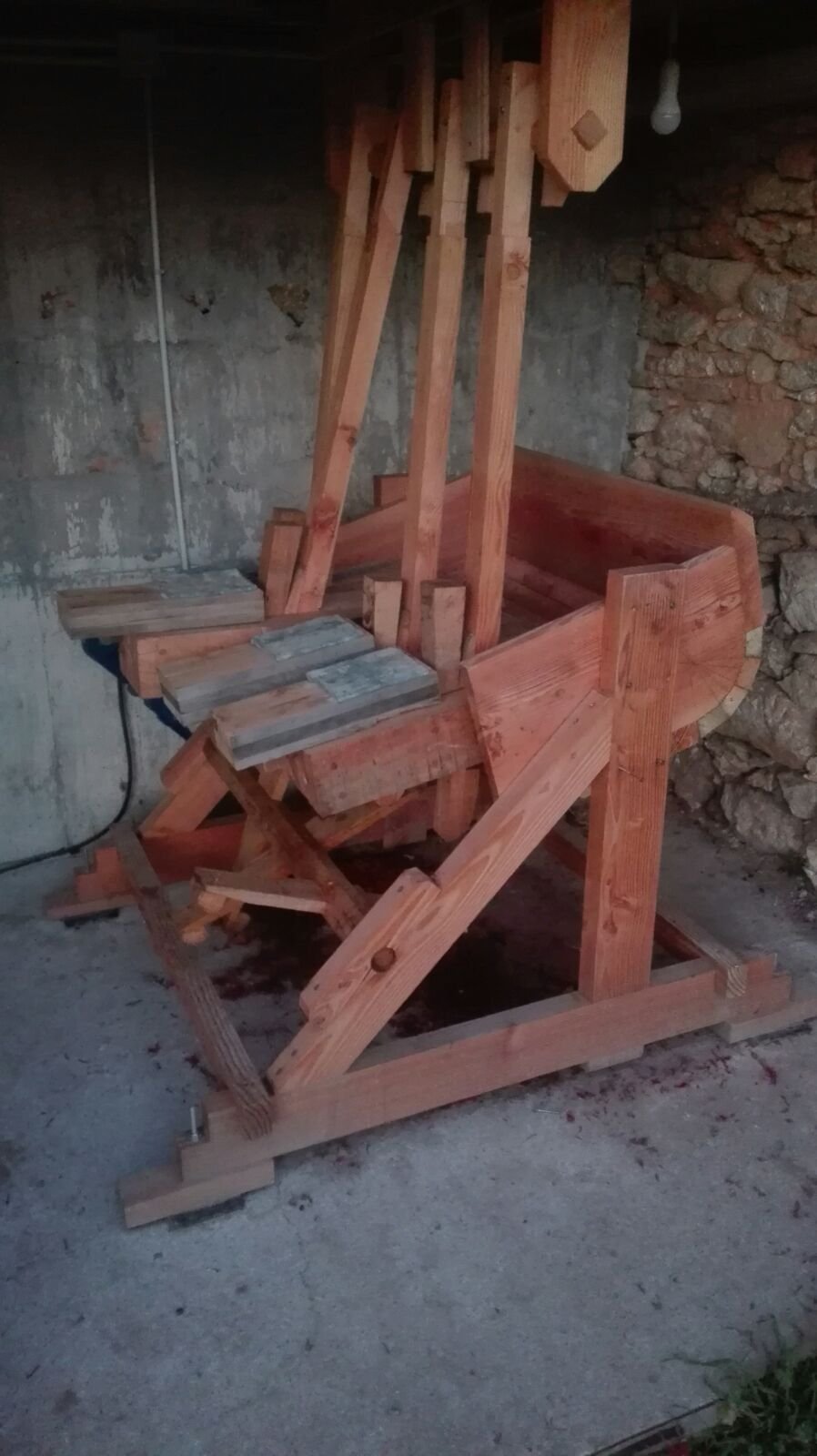
The Fulling Mill of Carlos and Manuel
Manuel and Carlos are two galician teachers who run a project called Panosdaquí, based on the reproduction of traditional galician textiles and supported by the research and recovery of ancient techniques.

On the conservation of genetic resources
Why is the focus of my work in textile production research the fibers produced by indigenous breeds and regional varieties? This article explains perfectly why it is so important to preserve these genetic resources that could be decisive for our future.

A photographic archive
Though still incomplete, a photo archive of the people I meet during my work is coming together.

(re) building a flax scutcher
Those that know me really well know that the work I do isn't about tradition. It's about manufacturing in a more conscious and sustainable in all areas and knowing that that sustainability greatly depends on the ability of reducing production scales and using local resources.
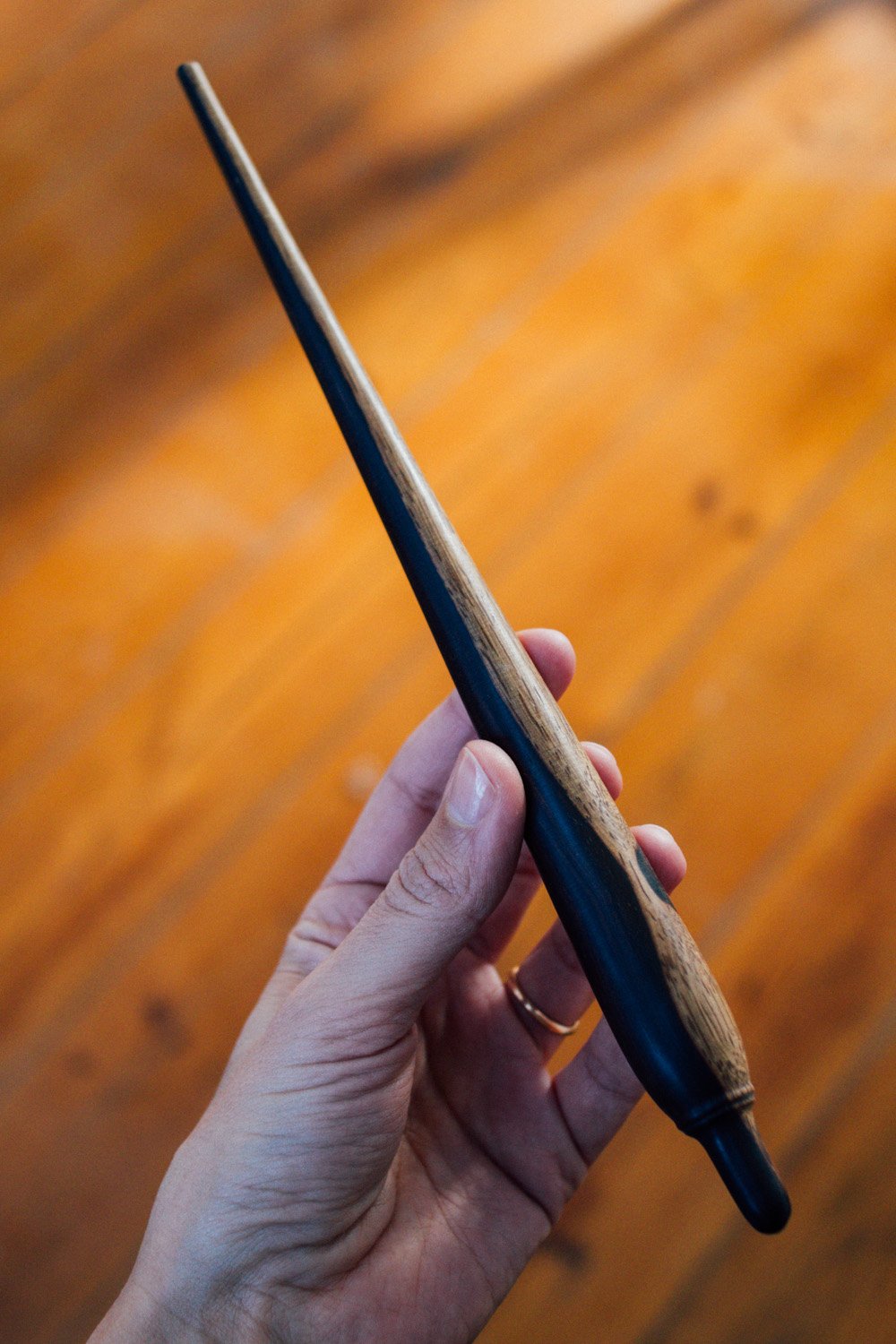
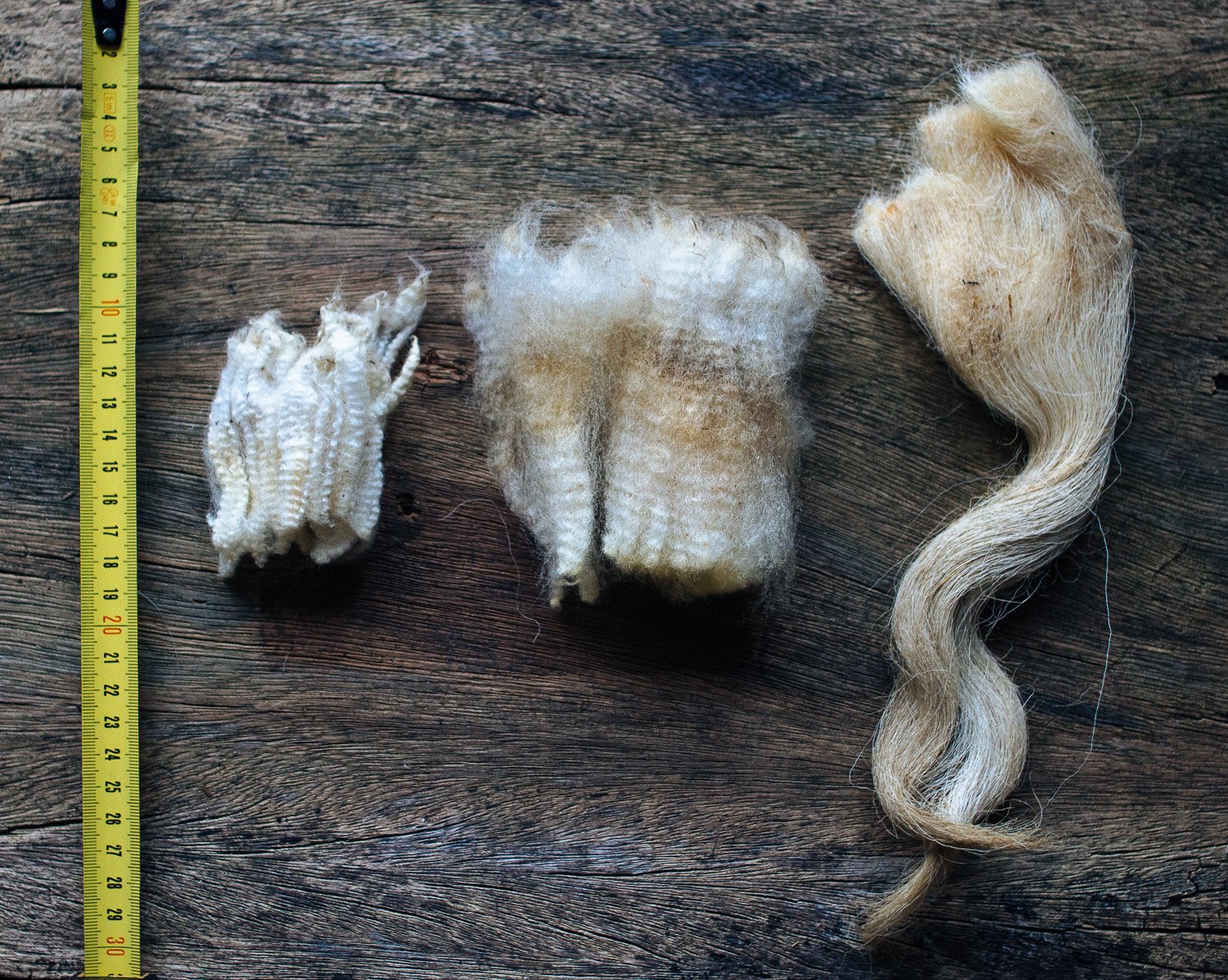
Churras. Bordaleiras. Merinas.
The 16 indigenous Portuguese sheep breeds can be grouped into three main groups, which are directly related to the type of wool they produce: Churros, Bordaleiros or Merinos. Knowing the basic characteristics of the wool produced by these three groups is a very effective way of getting a general idea of what a particular breed produces, despite the great variations that can arise due to the influence of various factors.

Combing and the other side of Portuguese wool
Combing wool with Louet's mini combs has been one of my latest pleasures. And combing this gorgeous light gray portuguese merino that I brought from Ancorme a few weeks ago, makes it even more so. I don't know if you can see in the photos how the light brown shades show in the roving. It's beautiful.
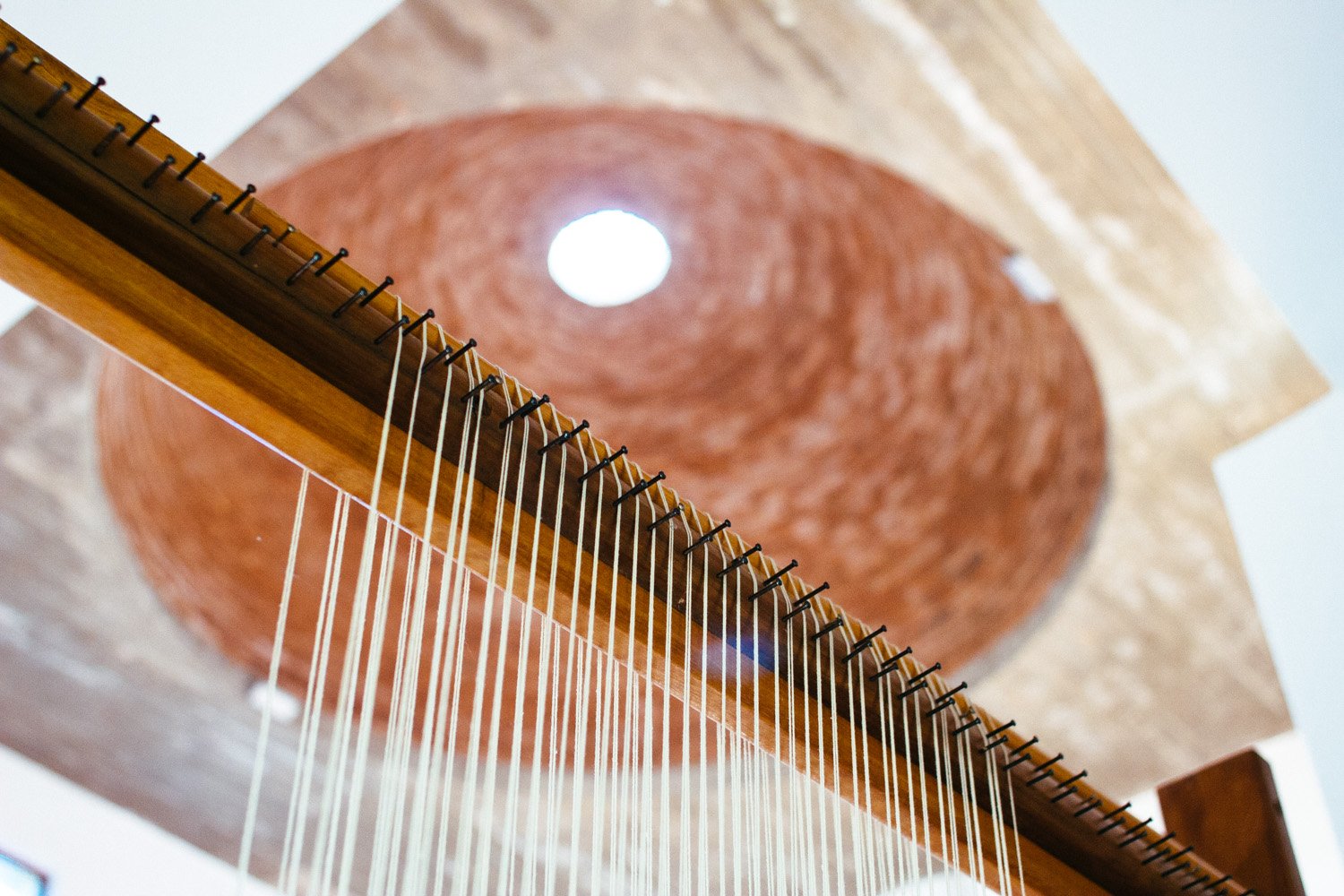
In Vale de Gatos
A trip to Évora in a mix of work/pleasure and a quick visit to Vale de Gatos to finally get to know Isabel and Carlos's place. Unexpected news made Isabel travel a little sooner than expected, but Carlos was there to show us around and allow me to photograph the atelier.
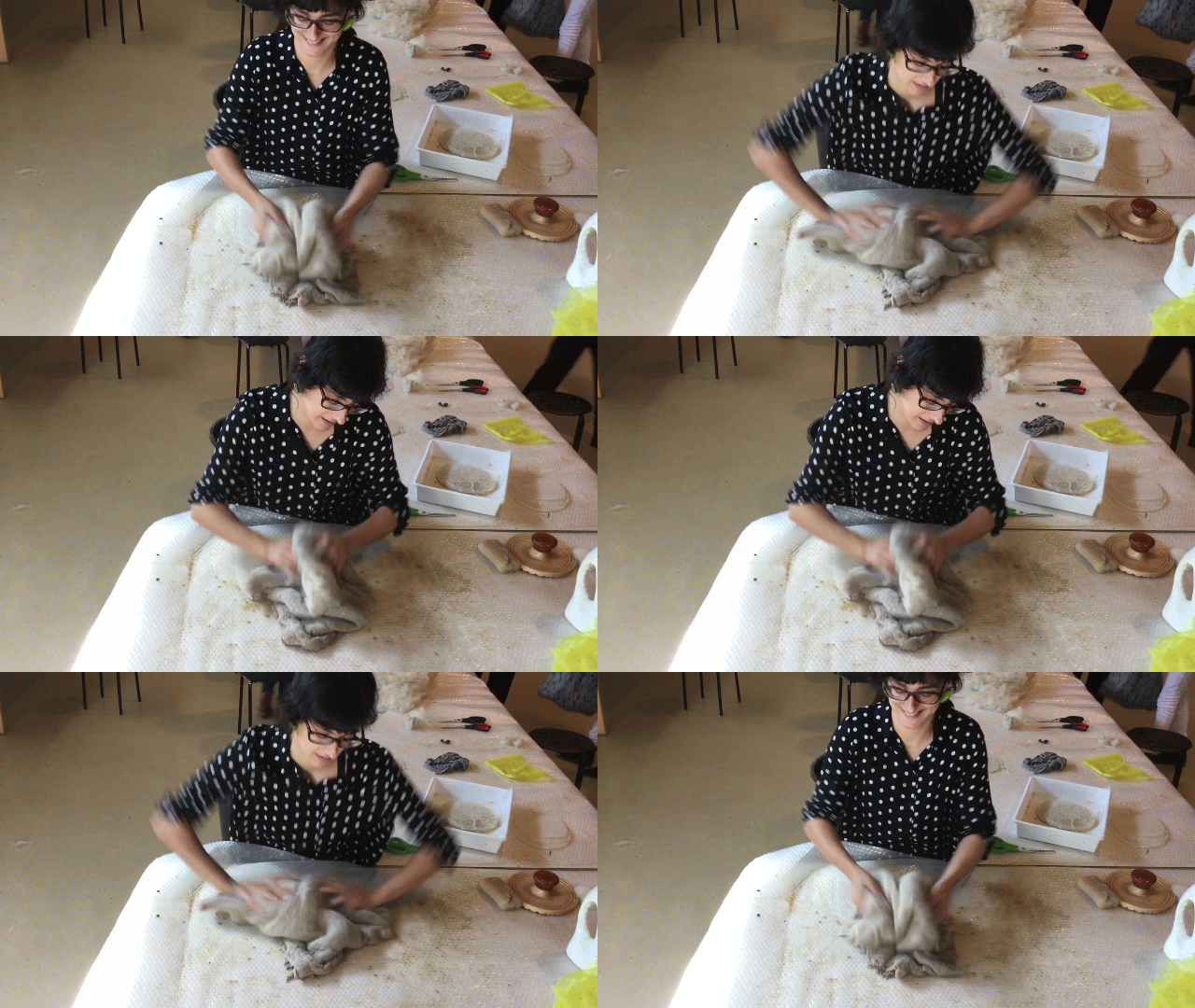
Felting a mosaic of Portuguese wools?
The small exhibition about Portuguese Wool that I improvised for the Festa de Outono worked out really well, but the raw fleece samples were in such a natural state that it was really easy to fall apart when we touched it.

A first in felting
Here are a few images from the Felting Workshop that Ana Rita de Albuquerque gave at Serralves last October.
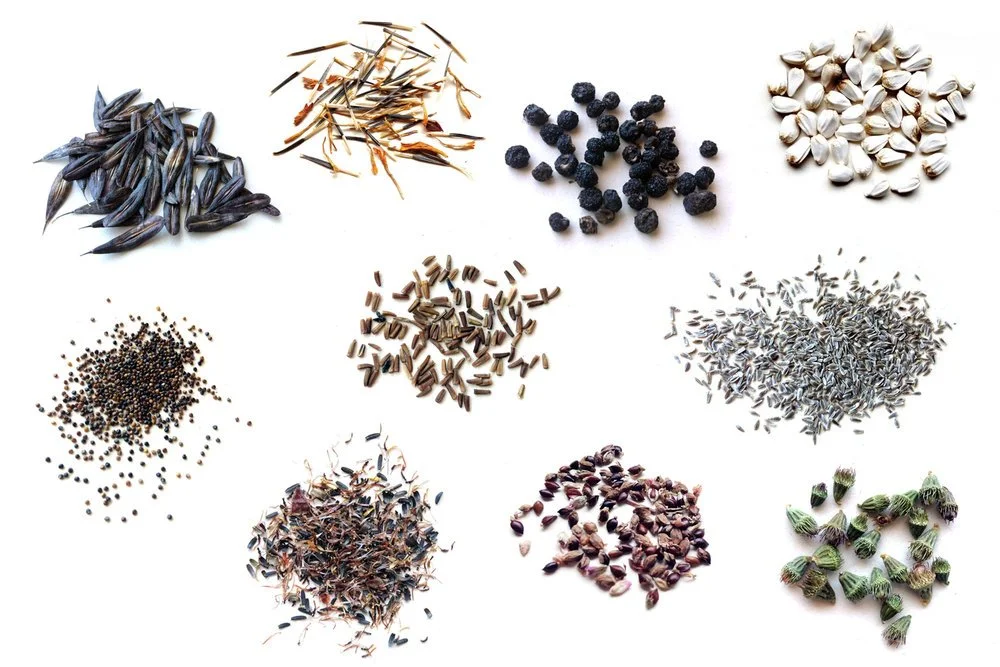
Dye plants - the seeds
This spring I started studying dyeing plants, in order to make a selection that I thought was good for a dyer's garden. I gathered seeds for all of them and passed them on to Carlota, who germinated and transplanted them to the garden, later.
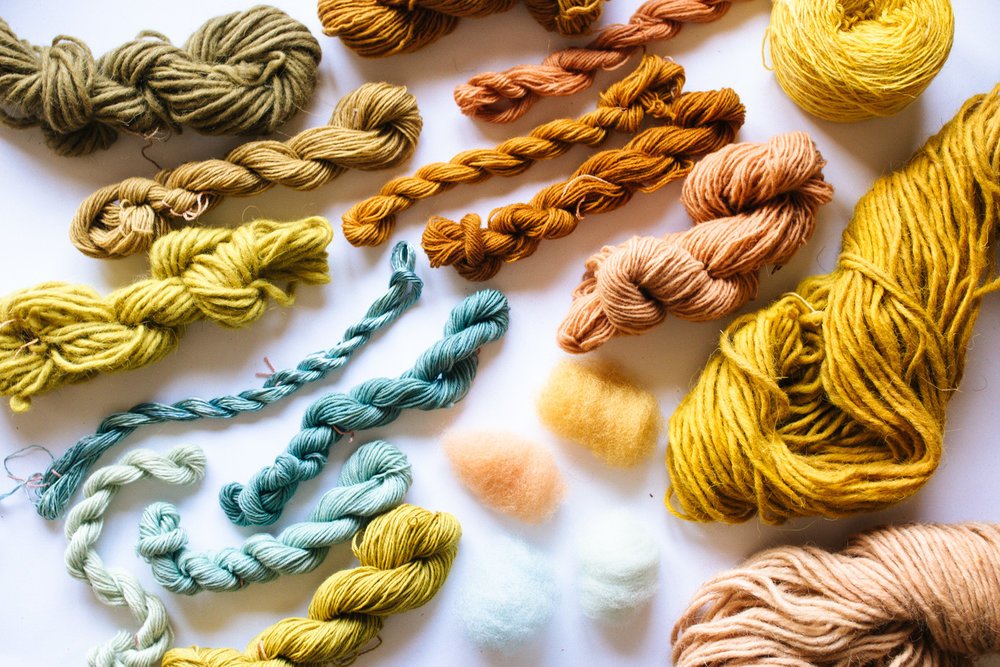
The colours of nature
Some of the colors dyed during the Natural Dyeing workshop using onion peels, henna, madder, fresh japanese índigo (Persicaria tinctoria) and walnut tree leaves, using different types of portuguese wool and silk as well.
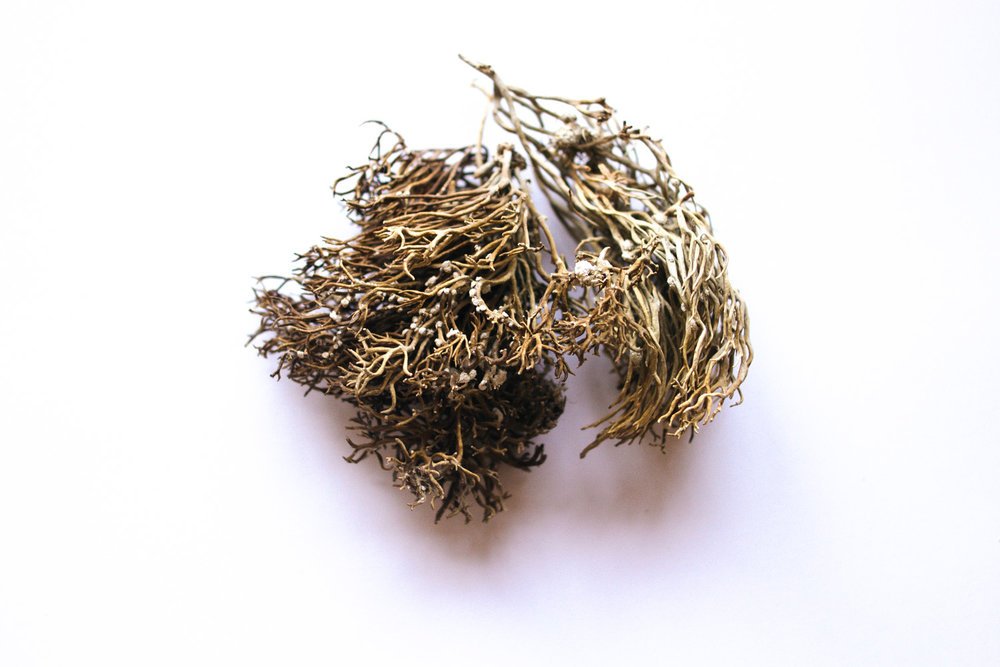
Rocella tinctoria
This small Orchella Weed (Rocella tinctoria) sample was given to me by Guida, to grow my natural dyeing related collection.

Dyeing with fresh indigo
This spring, in Serralves farm we started a small dyer's garden, with the purpose of having a few live varieties to show and maybe use in the workshops and experiments. This year the garden was really small, we didn't have much time to dedicate to this part of the project, but we managed to grow a few interesting plants, like japanese indigo, woad and a few others.
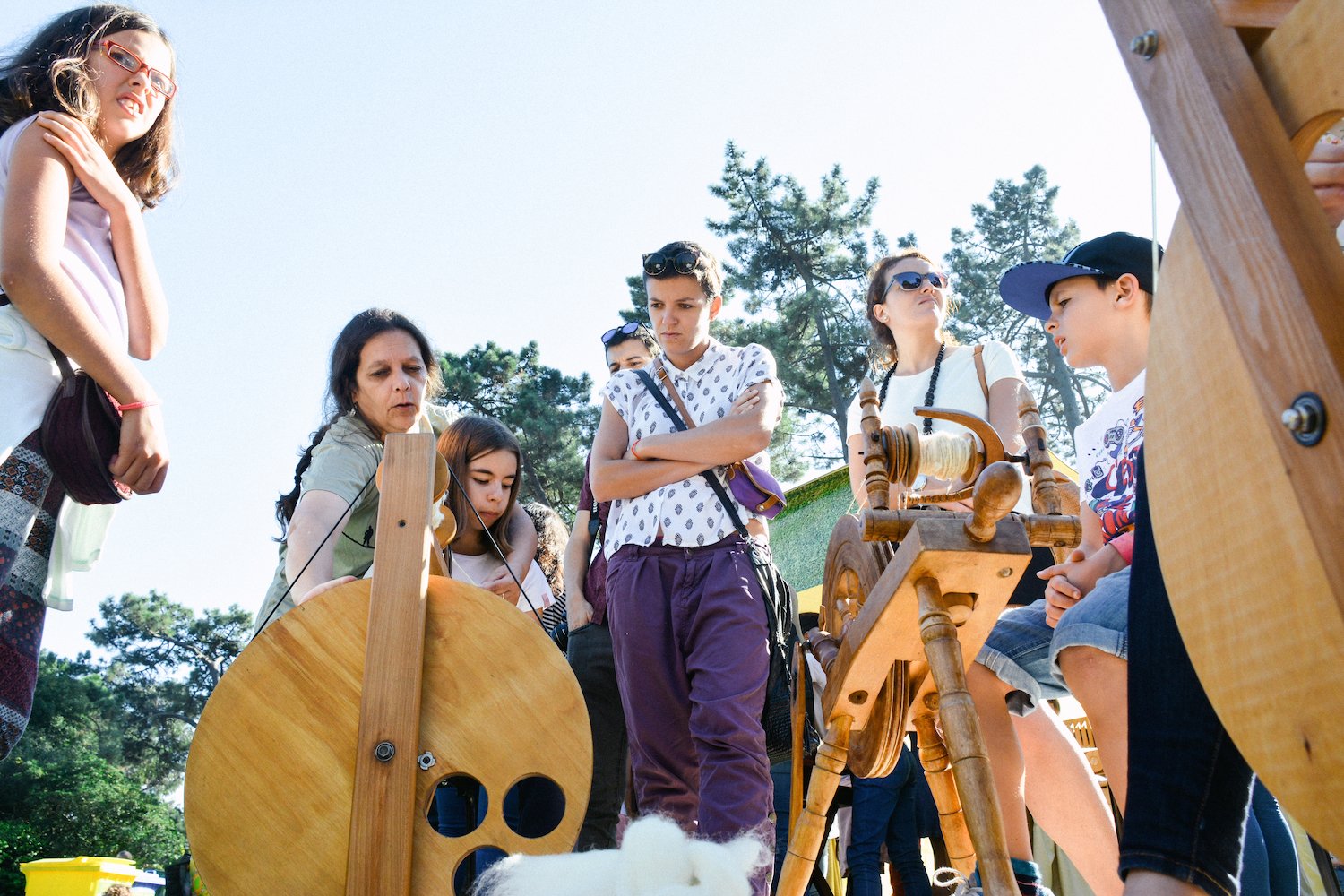
Learn how to weave, dye, felt and work with Portuguese wool
The October workshops start on October 15 and will take place over three weekends, teaching how to weave, dye, felt and work wool from raw fleece to yarn, at Quinta de Serralves.

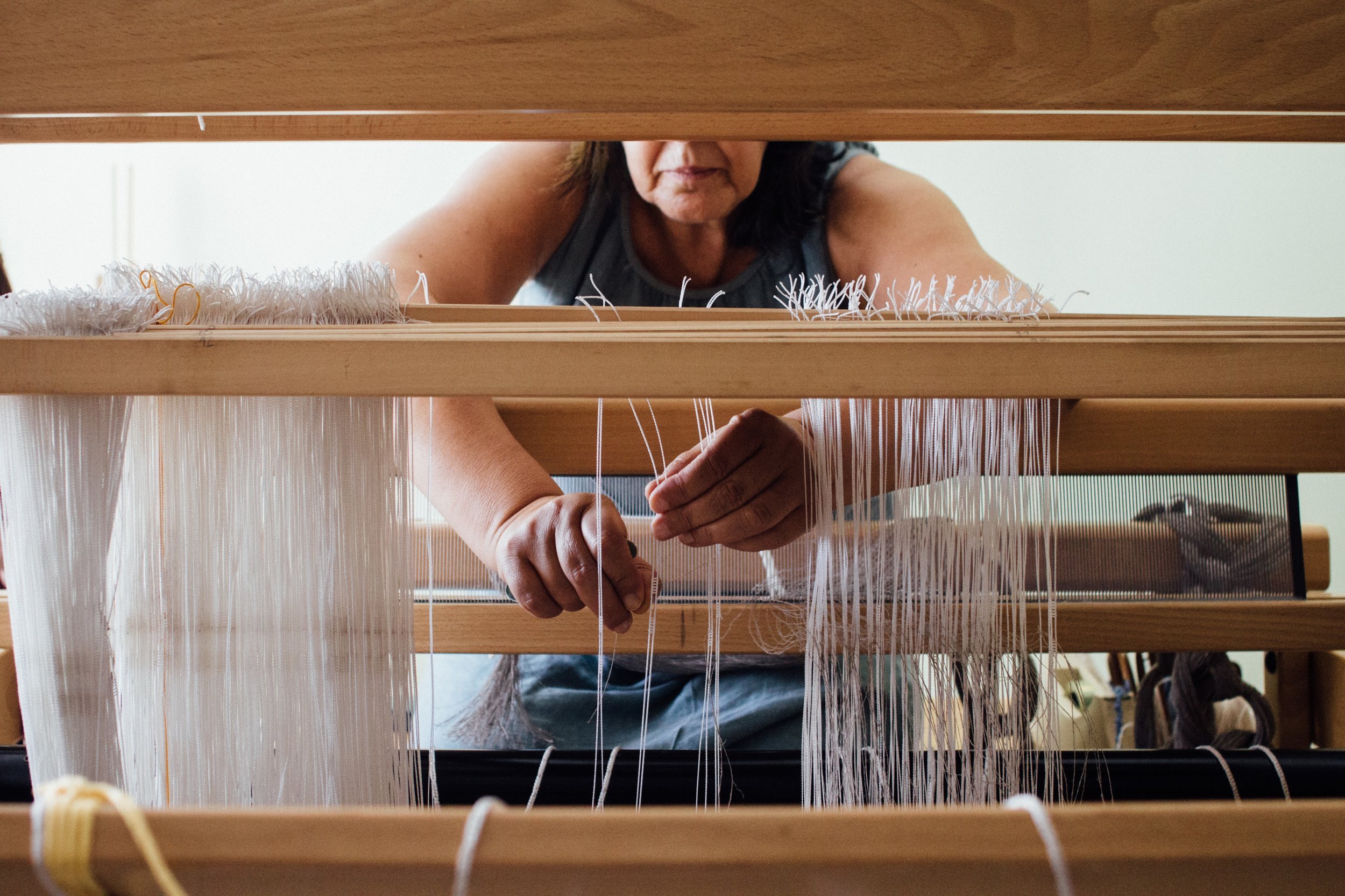

Hanging around Portuguese wool
Today, a day spent organizing samples from raw fleeces from all our local sheep breeds, for a small exhibition that will happen in late September. So many different wools for such a small country!
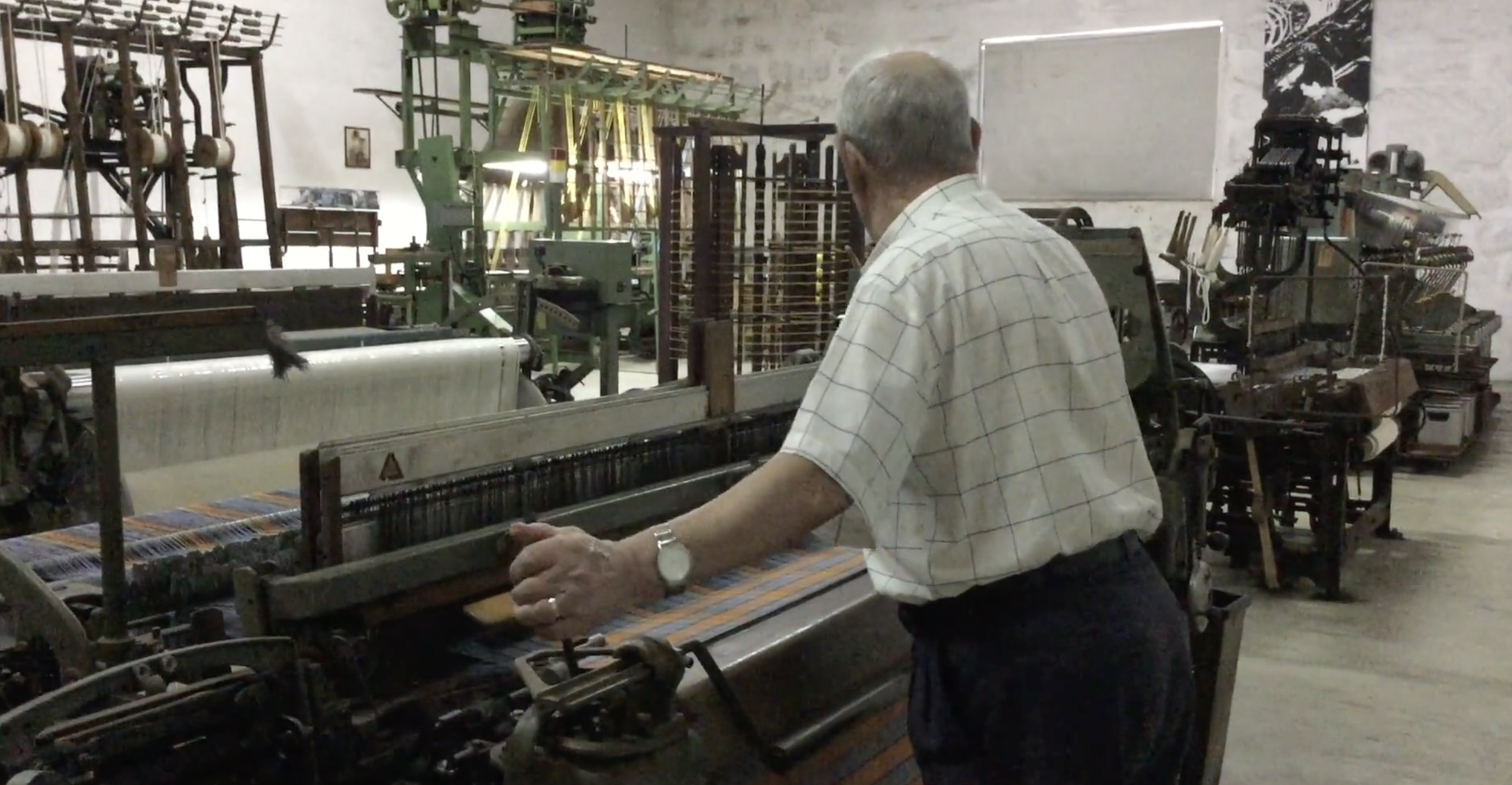
At the Textile Industry Museum of the Ave region
At the Textile Industry Museum of the Ave region, the mechanical looms still work and they sound like music to me.

The spring workshops are over
Spring is over and so are the workshops dedicated to teaching how to grow and process textile fibers from the ground: Sheep Shearing, Silk Reeling and Flax growing and processing were taught in Serralves using the fibers grown right on the farm