

Blog

Learning to weave with the King
Fantastic and intense was the Introduction to Weaving Workshop with Fernando Rei that we had last weekend, January 13th and 14th.
Going to Alfaiate do Livro
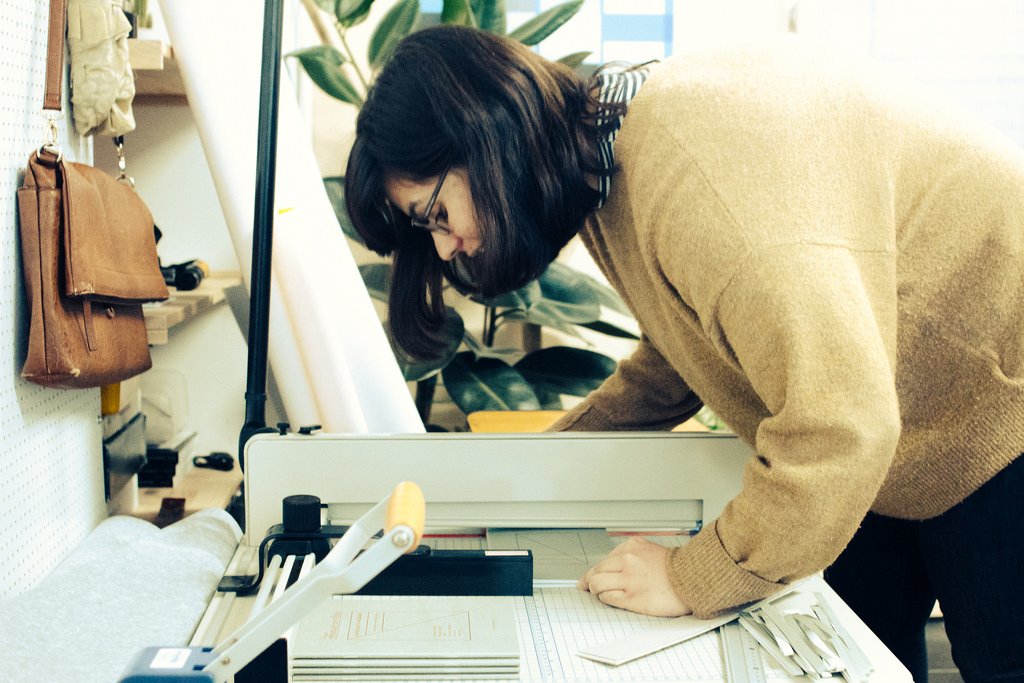
Yesterday I went to Alfaiate do Livro (a.k.a. Catarina Azevedo) to pick up the little books on Woodworking Tools that I was missing to complete the latest edition.

Portuguese wool in SPIN-OFF
The Winter 2018 issue of Spin-Off is out and inside you'll find an article dedicated exclusively to Portuguese wool!
The Flax long course - final day
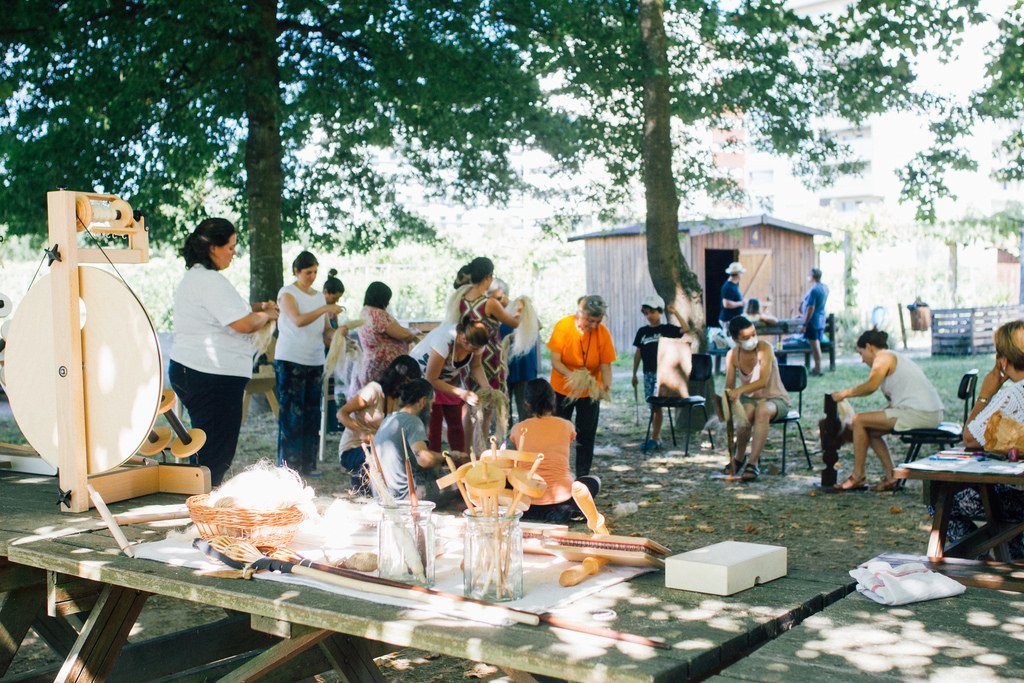
We sowed, saw it grow, harvested, rippled, retted, dried and ground our own flax in a two and a half months time. This was the easy part of flax growing, the hardest one was yet to come and that is the one that demands us to scutch, comb and spin our flax.
The line that ties the world together
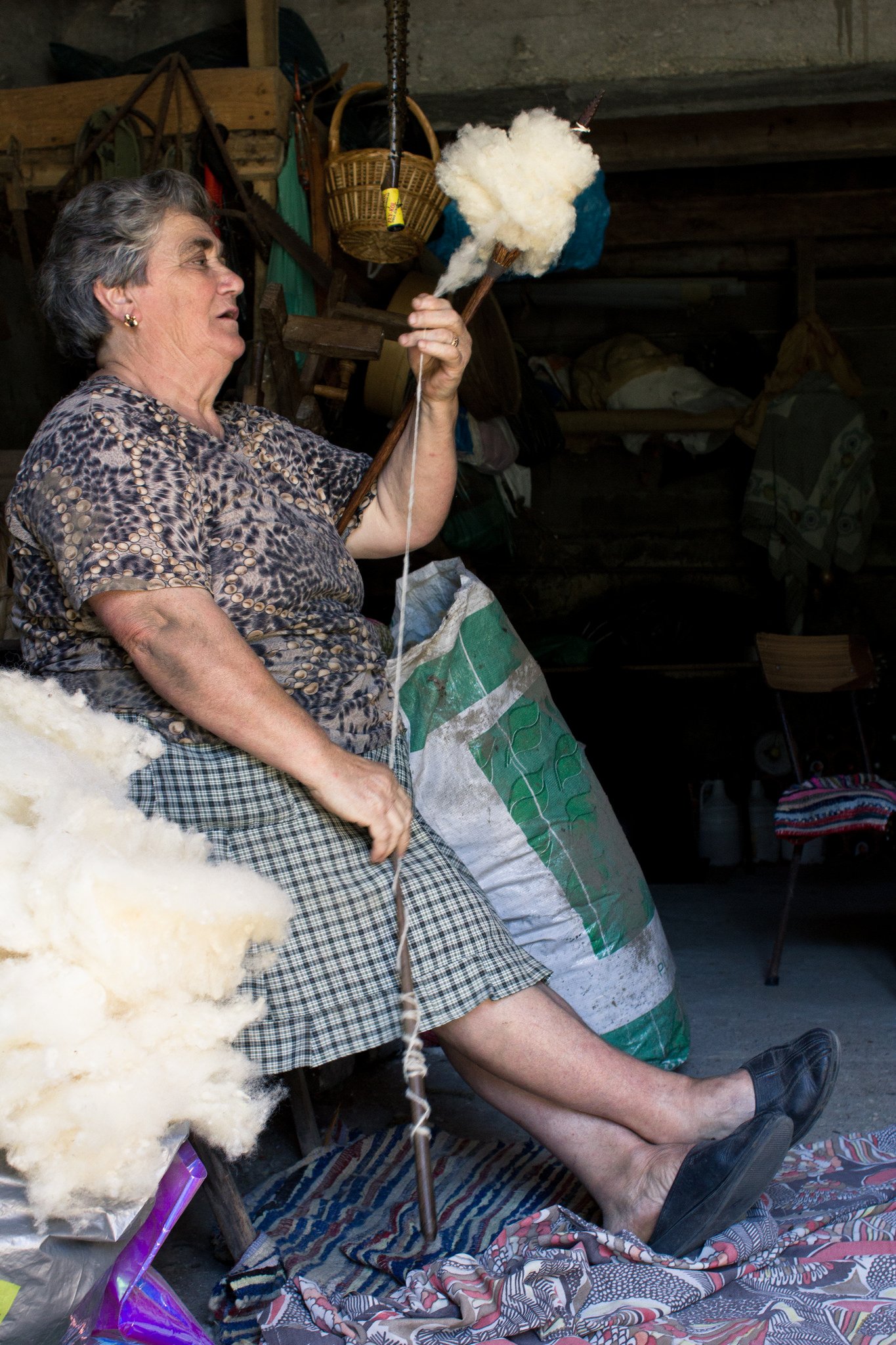
"It is a mesmerizing art, the spindle revolving below the strong thread that the fingers twist out of the mass of fiber held on an arm or a distaff. The gesture turns the cloudy mass of fiber into lines with which the world can be tied together. "
Breaking the flax
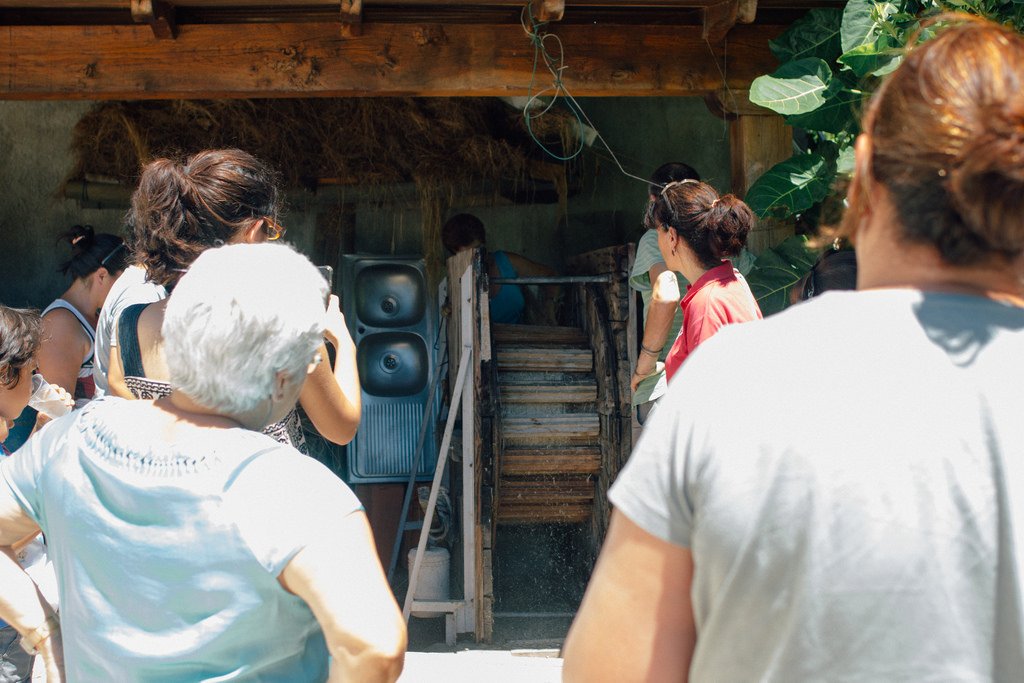
After retted and dried, it was time to take the flax we grew at Parque da Devesa to be ground.

In the meantime
Meanwhile, the spoils of our spring productions and workshops are piling up in the Saber Fazer workshop.

The first indigo harvest
This is the first real harvest of the Japanese indigo being grown in the Parque da Devesa Urban Gardens! Actually, the ideal time for this first harvest would have been a month ago, well before the flowers started to appear, but at that time we were at the peak of the Flax cycle and the indigos had to wait.

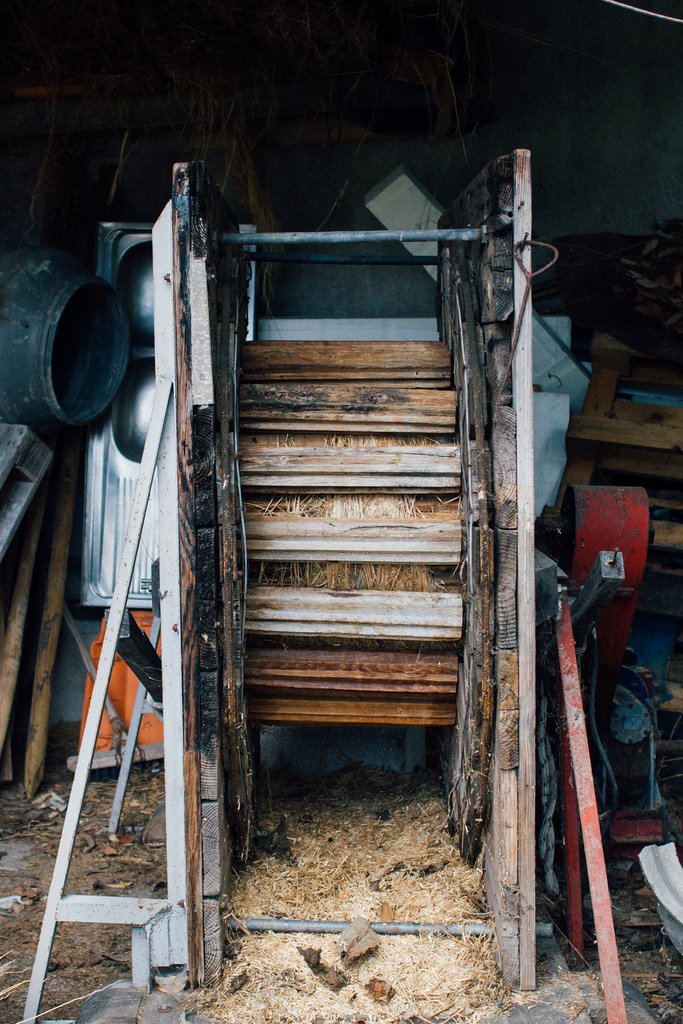
Glorious flax break
This is one of the rare flax grinders still working in our country and one of the only two that work with an engine (the third I know of that is still working is powered by animal traction).
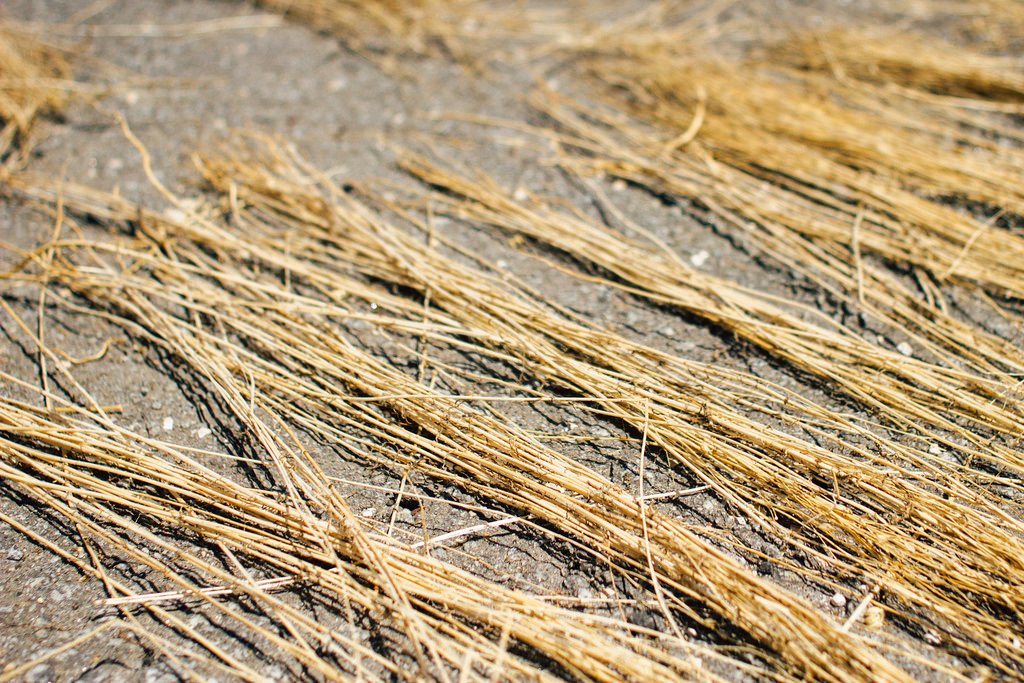
On the retting of flax (pt2)
Although without the same dedication and care that I have for photography, I make a point of making short videos along the way.
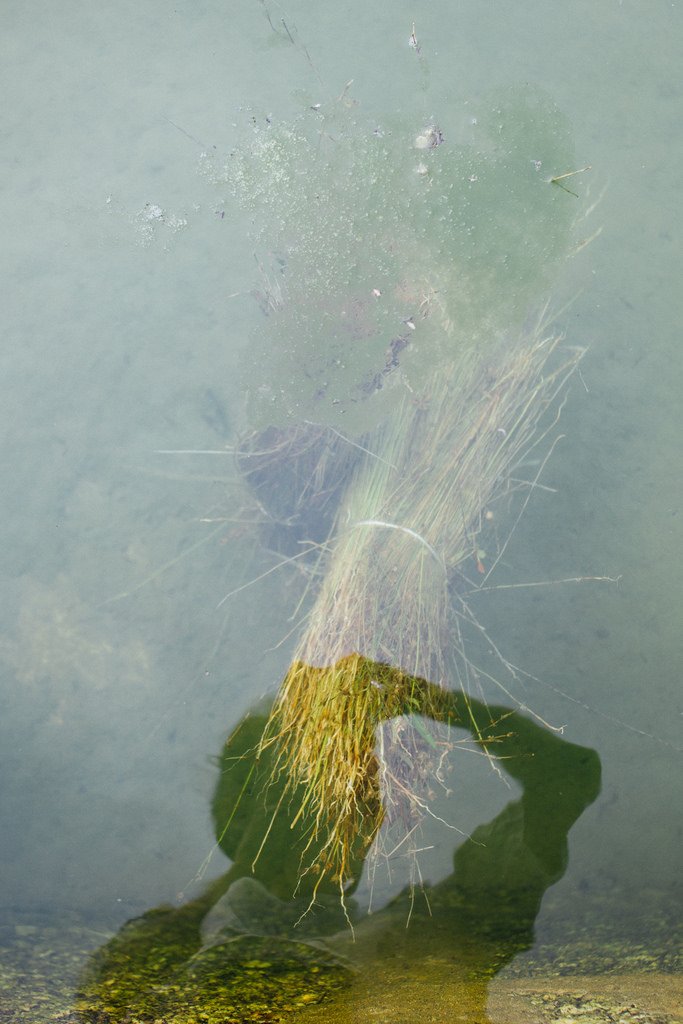
On the retting of flax (pt1)
After the harvest, comes the retting, the process by which we separate the flax fibers from the woody part of the stem, or “edge”, as it is more often called by those who traditionally work with flax.
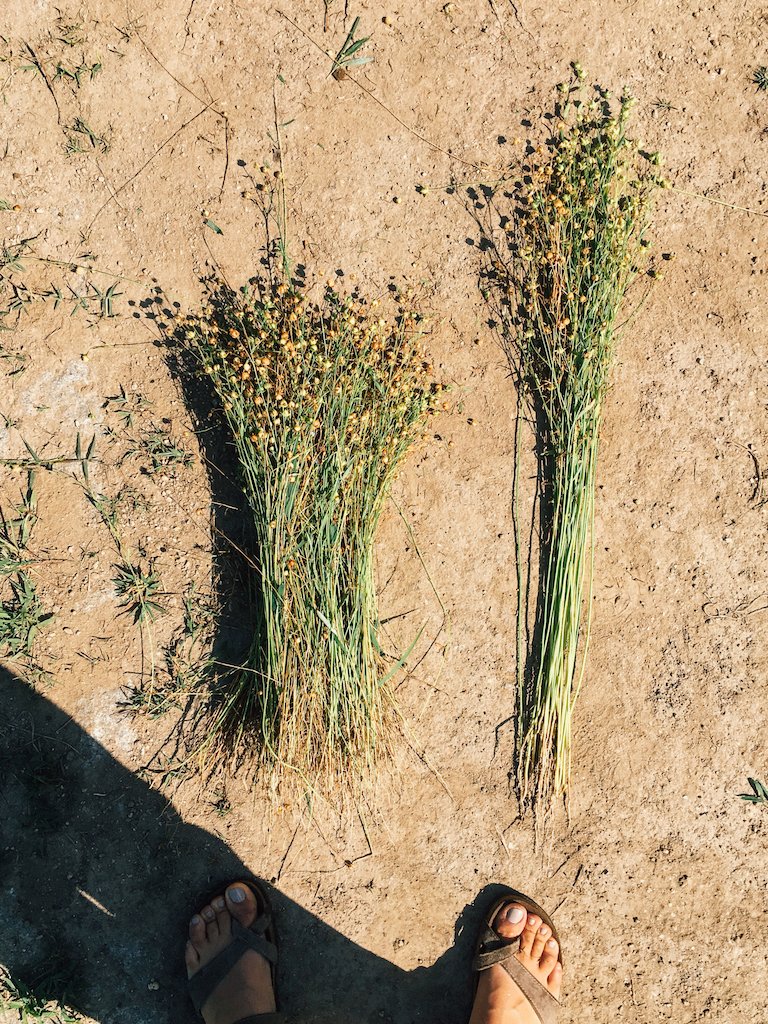
Artificial selection
On Harvest Day, Sara went around our ligneous plantation and selected the tallest plants, which are therefore the most desirable for those who grow flax for fiber, so that we could separate their seed from the rest and, next year, grow a small crop separately from this selection.

From capsule to seed
When we ripple the flax, right on harvest day, and if it isn't done too late, the capsules will still be closed, holding the seed inside.
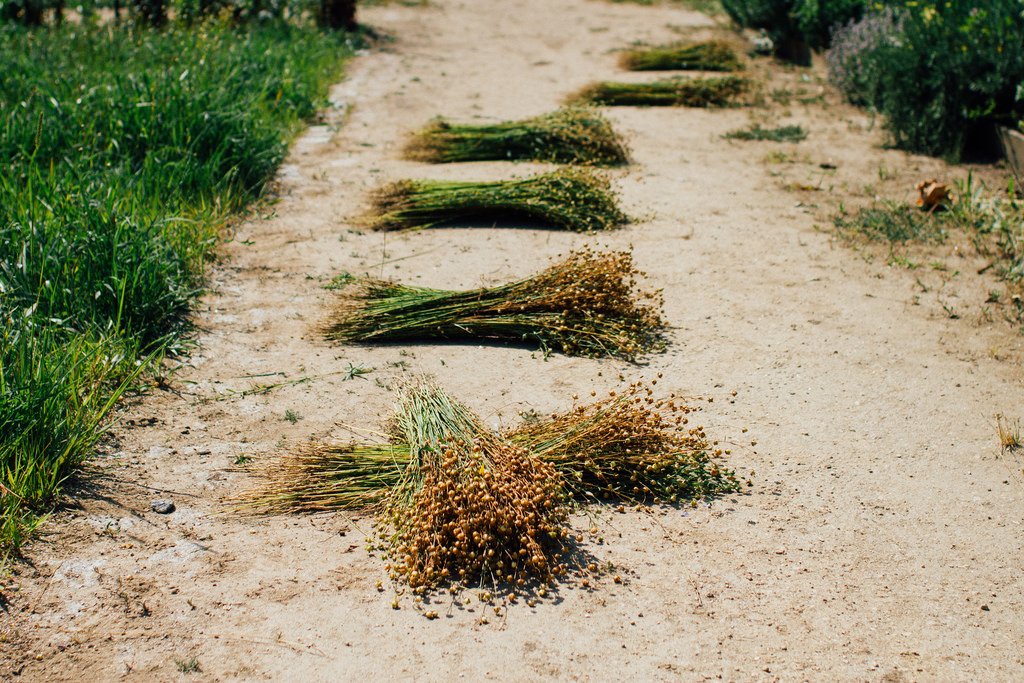
Flax harvest at Parque da Devesa
The last few days have been intense and especially dedicated to flax, which has ripened quickly in the heat and is ready to harvest. The variety we are growing, Galego Flax, has a characteristic that is more common in wild flax and which makes it absolutely essential to harvest at the right time.

Planting the dye plants
In the urban gardens of Parque da Devesa, right next to our flax field, some dyeing plants are already in the ground—plants that can be used for dyeing, among other things. We transplanted Japanese Indigo, Woad, Madder, Safflower, Dyer’s Chamomile, Egyptian Stars (or dark little daisies), Marigolds, Tunic Carnations, and Yarrow.

Learning about Portuguese wool - May 13, 2017
Here are some images of the set-up for the very first workshop on Portuguese wool, which also happened to be the very first workshop given in Saber Fazer's new home.
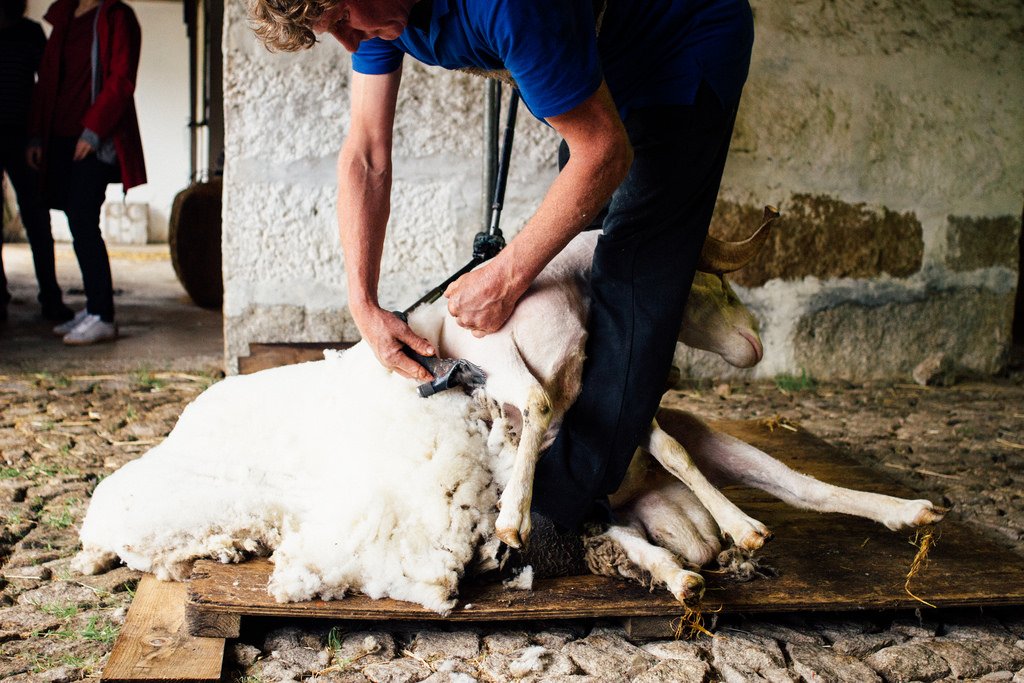
Shearing at Quinta de Serralves - 2017
Another year, another brilliant shearing by Martin at Quinta de Serralves. The more I learn about wool and the more shearings I see, the more special I think this moment is that we are lucky enough to offer to the Foundation's public.

Learning to grow flax - the beginning
It was beautiful, last saturday, spending the morning with more than 20 people eager to learn how to grow their own flax and process it into linen. This day was the beginning of our flax production course, that will last until mid July, and that I'm coordenating thanks to the support of Vila Nova de Famalicão city, through the Museum of the Textile Industry and the Parque da Devesa
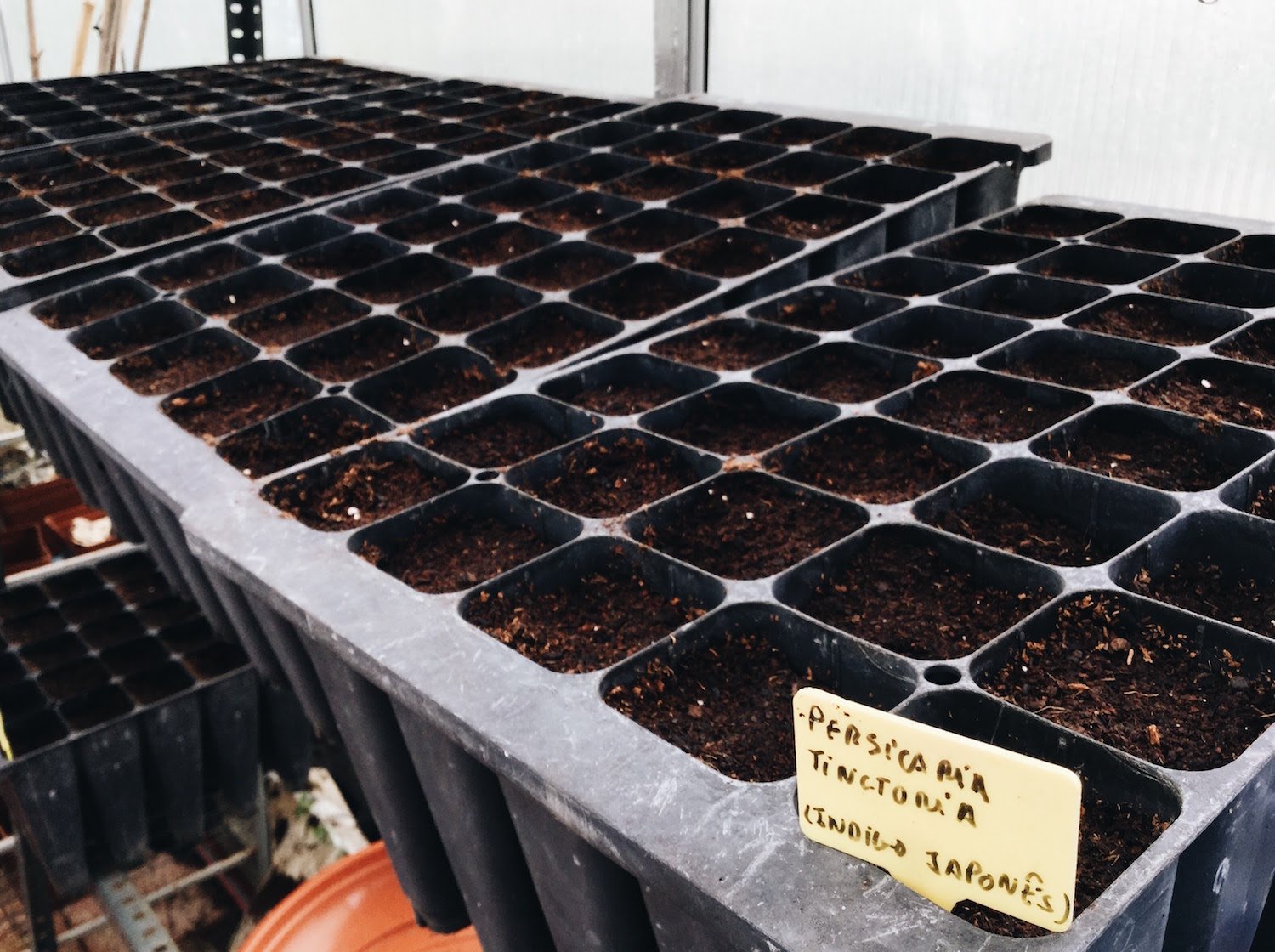
Preparing the dye plants for 2017
Spring has arrived, the sheep have started to be sheared, the caterpillars have hatched and this year's crops are already being prepared. It's crazy around here in the three months to come.